

One of the most important factors that parents need to evaluate when it is time for a child to go to preschool is child safety at preschool. Here is a complete guide which offers a comprehensive preschool safety checklist that will come in handy in making your evaluation. It highlights the importance of systems, staff and awareness in creating a safe preschool environment.
Why Child Safety in Preschool Is a Top Priority
Before we get to what aspects parents should watch out for, let us delve a little into understanding why child safety in preschool needs to be your top priority.
First up, children are still at a vulnerable stage when they enter preschool. They are developing their basic motor skills, emotional regulation as well as social awareness. At this stage, they completely rely on adults for protection. Robust supervision, therefore, is crucial at this stage.
A safe preschool environment reassures parents that their child is in capable hands. In this context, it is important to reiterate that safety isn’t just about school infrastructure but also trained and vigilant staff.
Parents today are more aware than ever in terms of safety is a non-negotiable priority. Parents expect transparency, accountability, and proactive measures from preschools. In turn, it also ensures that preschools put their best foot forward and ensure that child safety is paramount.
What Makes a Preschool Safe?
There are a number of factors that contribute to ensuring child safety in a preschool. These include:
1. Staff Policies
- It is imperative that verification & background checks be undertaken for all staff members.
- Teachers need to be trained in child psychology, safe caregiving, and awareness of child protection laws.
2. Surveillance Systems
- The role of CCTV in preschool safety cannot be overstated. The preschool needs to be equipped with CCTV cameras in classrooms, play areas and entry/exit points.
- Advanced AI-enabled CCTV cameras can go a long way in ensuring that safety measures can be taken proactively as opposed to being taken reactively.
- Parents also need to check who monitors CCTV footage and whether or not parents have live access.
3. Infrastructure Safety
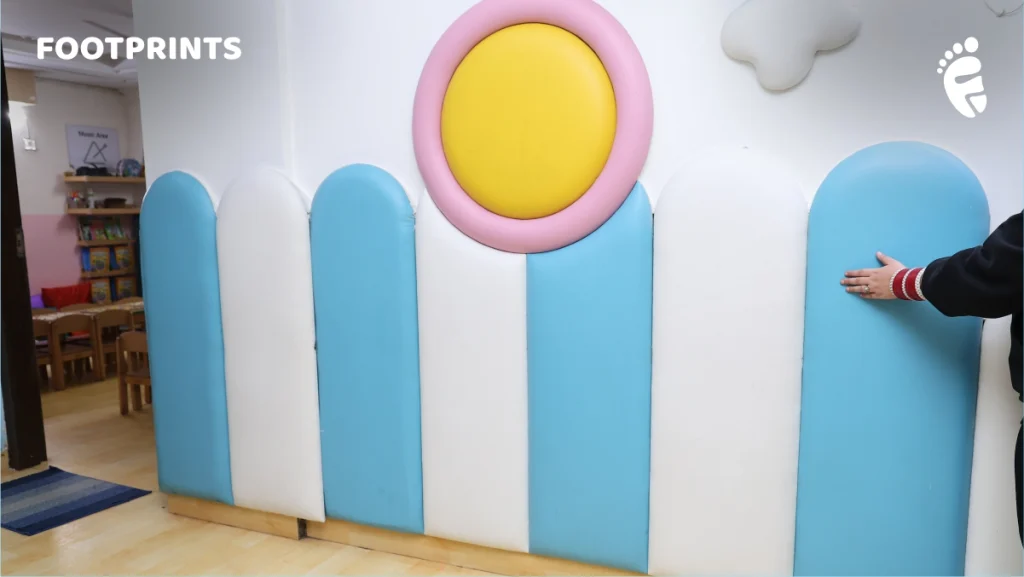
- Parents need to check that the preschool has child-friendly infrastructure, including safe play equipment, child-proof classrooms and more.
- Due care also needs to be taken to check for hygienic practices followed in the preschool.
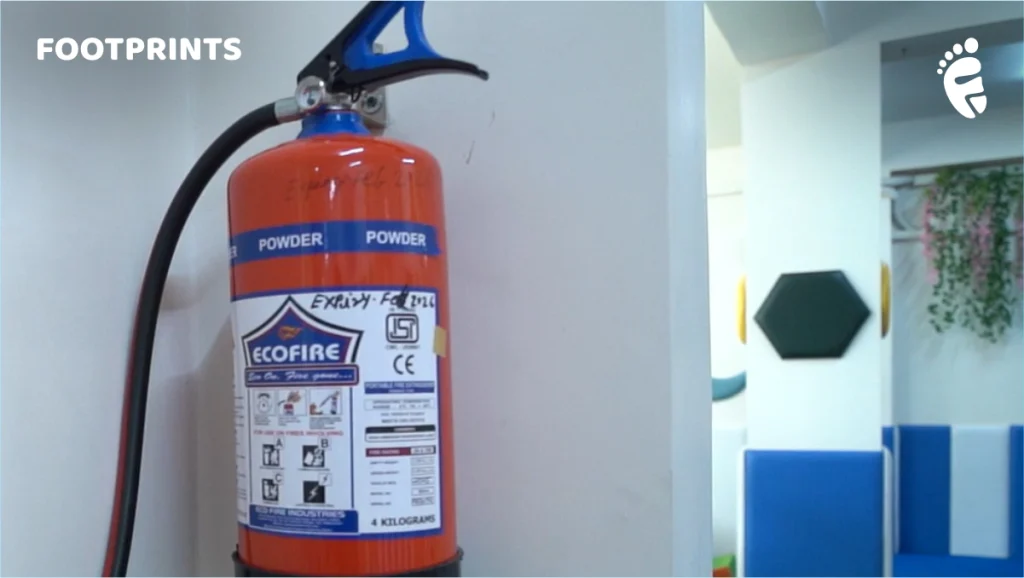
- Emergency readiness in terms of fire-extinguishers and first-aid kits are yet another aspect to check for.
4. Legal Compliance
- Staff training in POCSO Act Awareness is extremely important.
- The preschool also needs to undergo regular audits and compliance checks to ensure all safety protocols are being followed.
Role of Staff in Ensuring Child Safety
The real safety net when it comes to child protection comes from verified, trained and empathetic staff. It is this reliable staff with its vigilance and compassion that can play a far greater role in child protection, than any infrastructure.
Safety begins with strict hiring protocols as well as transparent processes that reassure parents that the preschool is worth trusting your children with. Staff need to be trained in child psychology, emergency response, first aid as well as POCSO Act awareness.
An all-female staff policy in preschools is also often seen as reassuring because it gives parents confidence and peace of mind and comfort to know that their children are in nurturing hands. Young children may also feel more comfortable expressing themselves to female caregivers.
Technology and Surveillance in Preschool Safety
It is imperative that the preschool be equipped with adequate CCTV coverage. In this context, it is also important to know the difference between AI CCTV vs basic CCTV in preschools. While Basic CCTV records footage for later review, AI CCTV actively analyzes live footage and detects any unusual activity, as well as supports staff vigilance. The advantages of real-time alerts versus passive recording cannot be overstated. While passive recording is only useful after an incident occurs, real-time alerts send instant notifications to staff when unusual activity is detected, enabling immediate intervention.
Parents also need to check for transparency by way of access policies and transparent communication about surveillance.
For a deeper understanding of how transparency and monitoring impact child safety, read more about Why CCTV access to Parents in Pre-school is a must.
How Parents Can Evaluate Safety Before Admission
The preschool safety audit checklist for parents includes:
- Checking for staff and teacher policies: This includes aspects such as preschool staff verification, teacher behavior and child handling approach.
- Evaluating CCTV and monitoring systems: Check to see if there is CCTV coverage in all key areas. It is also important to check that the preschool has AI CCTV as opposed to basic CCTV. Additionally, ensure there is clarity on who monitors the system and that parents can view live footage.
- Inspect entry and exit security: This includes checking for controlled access, availability of visitor logs, confirming that emergency exits are child-safe and accessible. Additionally, check that there are clear protocols for handing over children to parents.
- Ask about emergency preparedness including evacuation protocols, medical response and more.
Additionally, some of the red flags that parents should never ignore include:
- Lack of CCTV Coverage
- Staff background checks are not performed
- Poor entry and exit protocols
- Inadequate emergency preparedness
- Poor hygiene standards
- Caregiver negligence or indifference
Parents should also ensure that they ask relevant questions before admission. These include:
- How are staff verified?
- Do parents get CCTV access?
- What happens during emergencies?
- How is child pickup managed?
Preschool Safety Checklist for Parents
| Safety Factor | What to Check | Why It Matters |
| Staff Policy | Female staff / trained staff | Ensure safe handling, as well as offer comfort for parents and students |
| CCTV Setup | AI-enabled / coverage | AI systems provide real-time alerts, while coverage across classrooms and entry points ensures transparency |
| Entry Security | Controlled access | Staff readiness for medical or fire emergencies ensures a quick, effective response. |
| Infrastructure | Safe furniture, gates | Child-friendly design reduces accidents; secure gates prevent external risks. |
| Emergency Protocol | First aid, evacuation | Staff readiness for medical or fire emergencies ensures quick, effective response. |
| Legal Compliance | POCSO awareness | Ensures staff understand mandatory reporting, safe-touch education, and child protection laws. |
Child Safety Laws in India Every Parent Must Know
India has strong laws to protect children in schools and preschools. These laws make safety a legal right. While parents don’t need to be legal experts, they definitely need to be aware of the basics. It is when you are aware that you can demand accountability from schools. Besides, familiarity with laws ensures parents can spot any red flags.
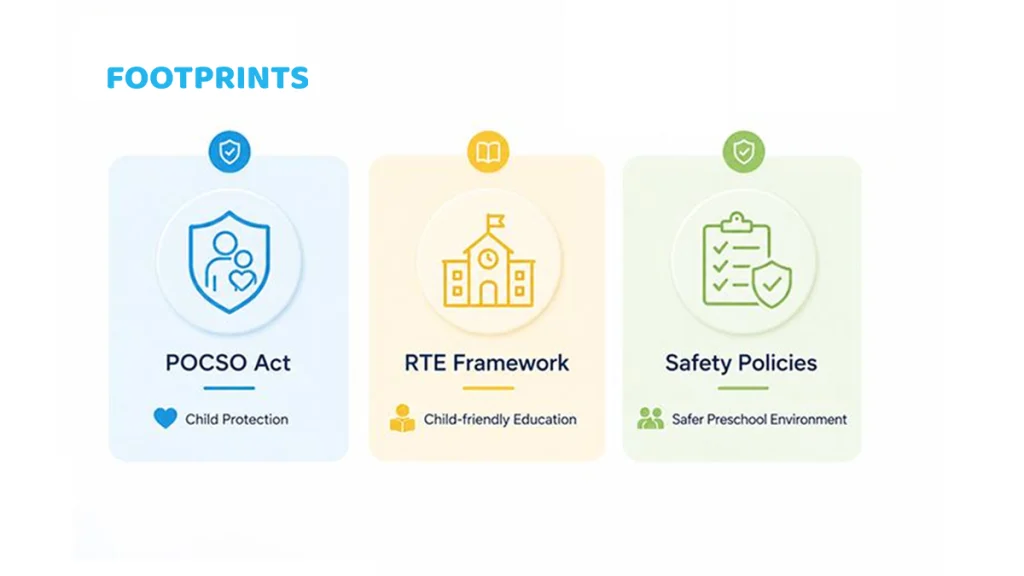
POCSO Act (Protection of Children from Sexual Offences)
- The act is designed to protect all children under 18 from abuse.
- Schools and preschools are required to train staff to recognize, prevent, and report unsafe situations.
- Teachers and caregivers are legally required to report any misconduct.
The POCSO Act directly affects how preschools operate every single day. To put it simply, it sets expectations to lay down policies, train staff and overall build a safe preschool environment. Preschool staff need to be aware of the Act and need to be trained to recognize signs of distress or unsafe behavior. Besides, preschools are expected to have clear child protection policies. These need to cover supervision, staff conduct as well as safe caregiving practices. Preschools now also include “safe touch” and “unsafe touch” awareness programs that empower children to understand boundaries and also to speak up if they feel uncomfortable. Importantly, if staff suspect or witness any form of abuse, they are legally required to report it.
Right to Education (RTE) Act
- The act ensures that every child has the right to study in a safe, child‑friendly environment.
- Schools must provide dignity, protection, and care alongside academics.
- Preschools are expected to align with this framework.
Every child, therefore, has the right to be safe from neglect, abuse and exploitation. Parents should be aware of these rights to be able to hold schools accountable. Preschools, in turn, carry a legal duty of care. Compliance with child safety laws in India is mandatory for operating responsibly.
Common Safety Mistakes Parents Make
Parents often make the following safety mistakes:
1. Only Checking Infrastructure
- Many parents get impressed by state-of-the-art classrooms, modern furniture, or play areas.
- Infrastructure alone, however, does not guarantee safety.
2. Ignoring Staff Behavior
- Parents often overlook how teachers and caregivers interact with children.
- Observing patience, attentiveness, and respect is more revealing than reading any brochures or marketing collateral.
3. Not Asking Questions
- Failing to ask about staff verification, CCTV policies, or emergency protocols can leave gaps in understanding.
- It is important to note that schools that welcome questions, in fact are a good litmus test.
4. Blind Trust
- Blindly trusting a preschool without conducting the above checks can be a risky proposition
- Parents must verify policies, observe practices, and demand accountability before enrolling their child.
Signs of a Safe vs Unsafe Preschool
1. Staff Verification
- Verified, trained, professional, empathetic staff
- NOT – Unverified hires, lack of training, and indifferent behavior
2. Surveillance Systems
- CCTV with full coverage, AI‑enabled alerts, transparent policies
- NOT- Limited or no CCTV, passive recording only, unclear monitoring
3. Entry & Exit Security
- Controlled access, visitor logs, secure pickup protocols
- NOT- Open gates, unrestricted entry, no tracking of visitors
4. Infrastructure
- Child‑friendly furniture, safe play areas, clean washrooms
- NOT- Sharp edges, unsafe equipment, poor hygiene standards
5. Emergency Preparedness
- First aid kits, fire safety equipment, regular evacuation drills
- NOT- No visible safety gear, staff unaware of emergency procedures
6. Legal Compliance
- Staff trained in POCSO Act awareness, adherence to child protection laws
- NOT- No awareness of child safety laws, absence of mandatory reporting culture
Frequently Asked Questions
1. How do I check if a preschool is safe?
It is important to visit the school, observe staff behavior, ask about verification policies, CCTV coverage, and emergency protocols. A safety audit checklist is important to ensure that nothing is overlooked.
2. Is CCTV enough for child safety in preschool?
CCTV is extremely useful, but it must be combined with trained staff, clear monitoring policies, and real‑time oversight.
3. What safety rules should a preschool follow?
Staff background checks, POCSO Act awareness, controlled entry/exit, emergency preparedness, hygiene standards, and transparent communication with parents are some of the safety rules that a preschool should follow.
4. Are preschools in India regulated for safety?
Yes. Preschools are expected to comply with child protection laws like the POCSO Act and align with the Right to Education Act’s emphasis on safe, child‑friendly environments.
5. What is the role of POCSO in schools?
The Protection of Children from Sexual Offences Act requires staff to be trained in recognizing unsafe situations, teaching safe‑touch awareness, and reporting concerns immediately.
6. Should parents do a safety audit before admission?
Absolutely. A safety audit including checking staff policies, CCTV setup, entry security, infrastructure, emergency readiness, and legal compliance, helps parents make informed decisions.
To Sum Up
Child safety in preschool is not about a single factor. Instead, it is about a combination of three essentials. Namely verified trained staff, infrastructure, systems and parental awareness. When these work together, they create an environment where children can thrive. At Footprints Play School we are fully committed to ensuring child safety and to offering an environment where children can rise up to their full potential.

Aditya brings over ten years of expertise as a Senior Marketing Strategist. He’s an expert at developing captivating marketing tactics that regularly provide excellent outcomes. His innovative strategies have demonstrated a track record of increasing organizational reach and engagement, showcasing his extensive knowledge of the contemporary marketing landscape.
 View Fees
  Call Us