

Every monsoon, headlines about dengue outbreaks spark instant worry in parents. When a child develops a fever, parents tend to fear the worst.
The World Health Organization (WHO) reminds us, however, that most people with dengue recover fully within 1–2 weeks.
This guide offers complete details about how dengue differs from ordinary viral fever, the symptoms to watch out for as well as the care it requires. You could also read our monsoon health guide for children for a complete overview of the illnesses that plague children during monsoons along with their prevention and cure.
Dengue Symptoms in Children: What to Watch For
Children suffering from dengue tend to show mild or no symptoms at all. If symptoms do occur, they usually begin 4–10 days after infection and last for 2–7 days. These include:
- High fever (up to 104°F)
- Severe headache
- Pain behind the eyes
- Muscle and joint pains
- Nausea or vomiting
- Swollen glands
- Skin rash.
That said, during dengue season, any high fever in a child deserves a paediatrician visit. Do not wait it out as early medical attention ensures safe recovery. Also, sometimes, severe dengue is known to develop after the fever subsides. In this period, be sure to watch out for the following symptoms:
- Severe stomach pain
- Persistent vomiting
- Bleeding gums or nose
- Extreme tiredness or restlessness
If any of these appear, do consult your paediatrician immediately.
The WHO’s dengue fact sheet describes the common signs of dengue and stresses that early medical attention greatly reduces the risk of complications.
Is It Dengue or Just a Viral Fever? How Doctors Tell the Difference
The symptoms of dengue and viral fever tend to overlap heavily. The only way for a doctor to confirm that a child is suffering from dengue, therefore, is by way of a blood test.
There are some symptoms that, while not conclusive by themselves, can help the doctor decide if dengue testing may be needed. If your child shows any of these, do point them out during consultation:
- Pain behind the eyes
- A skin rash appearing along with fever
- Known dengue cases reported in your neighbourhood during the season.
You can also read our full monsoon diseases guide for the other illnesses the season brings in its wake.
Dengue Care and Recovery: What Treatment Actually Involves
There is no specific medicine that cures dengue. Dengue treatment involves doctor-supervised care, including adequate rest, intake of fluids, and close monitoring while the body heals. While most children recover safely at home under medical guidance, hospitals provide extra support if symptoms become severe.
What Parents can do at home (with Doctor Guidance)
- Encourage intake of plenty of fluids to prevent dehydration.
- Ensure complete rest so the body can recover.
- Watch closely for any warning signs such as severe stomach pain, persistent vomiting, bleeding gums or nose, extreme tiredness.
- Attend every follow‑up appointment to track recovery.
It is imperative that you do not give any medicine without asking your doctor first, as some common medicines are not safe during dengue.
MedlinePlus, the health information service of the US National Institutes of Health, explains that dengue care centres on rest, fluids, and medical monitoring while the infection runs its course.
Dengue Prevention: Protecting Your Child at Home
Dengue prevention involves taking the following precautions at home:
Stop Mosquito Breeding at Home
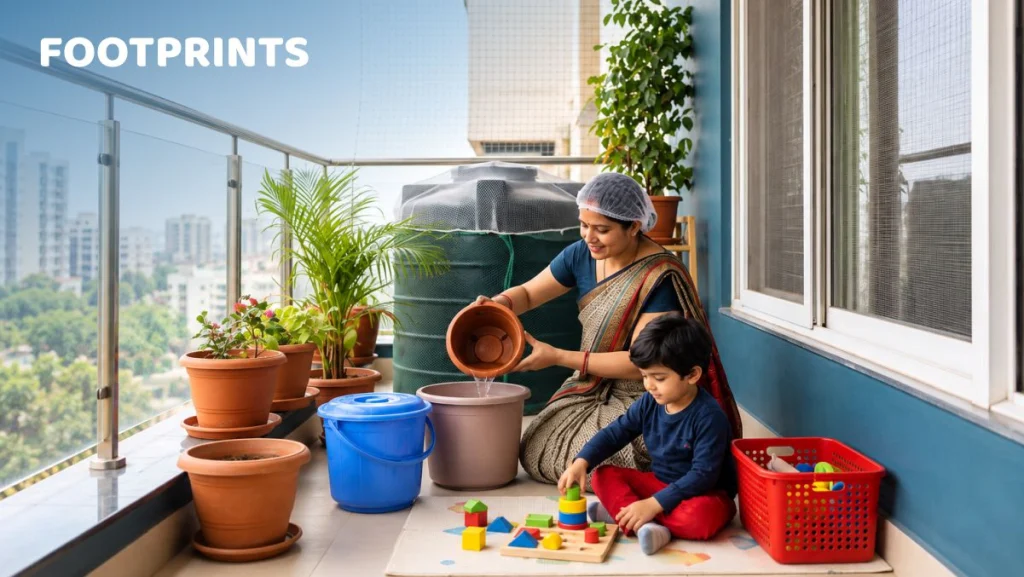
The dengue mosquito breeds in clean stagnant water often right inside homes. A quick weekly check can make all the difference:
- Empty and scrub water coolers at least once a week.
- Avoid water collecting in plant trays, buckets, or discarded containers.
- Keep storage tanks tightly covered.
- Dispose of solid waste properly to prevent hidden water pockets.
Protect Against Mosquito Bites
The mosquitoes that spread dengue are active during the day. It is important that you follow these bite-proof habits:
- Dress children in clothing that covers arms and legs, especially at dawn and dusk.
- Use child‑safe repellents only as per the product label or your paediatrician’s advice.
- Install window and door screens to keep mosquitoes out.
- Ensure children sleep under mosquito nets.
Read on for more monsoon protection tips for toddlers.
What to Feed a Child Recovering from Dengue
Recovery from dengue is about rest, fluids, and gentle nutrition under your paediatrician’s guidance. Make sure you offer plenty of fluids by way of water, coconut water, homemade soups, or dal water. As the child’s appetite returns, focus on small, frequent meals that are easy to digest. Soft, home-cooked meals work best.
| Fluids to Offer Often | Soft Foods as Appetite Returns | Best Avoided for Now |
| Water, sipped through the day | Khichdi and soft rice | Outside or street food |
| Coconut water | Dal and vegetable soup | Heavy fried foods |
| Homemade soups | Curd rice | Very spicy dishes |
| Dal water and rice water | Soft fruit such as banana | Large meals at once |
UNICEF’s child health guidance highlights fluids, rest, and continued gentle feeding as the foundations of recovery from most childhood illnesses.
Pro tip – It is important to remember that while there are several popularly held beliefs about foods that can cure dengue or raise platelets, there is limited scientific evidence to prove it. It is absolutely imperative, therefore, that you follow your paediatrician’s advice.
Frequently Asked Questions
1. How do I know if my child’s fever is dengue?
Only a blood test can confirm dengue. Symptoms like fever, headache, or body aches overlap with viral fevers, so self‑diagnosis isn’t advisable. Always consult your doctor if fever appears during dengue season.
2. Is dengue dangerous for young children?
Most dengue cases in children are mild and recover fully with proper care. The danger lies in missing warning signs. Paediatricians therefore advise early consultation and close monitoring to prevent complications.
3. How long does dengue last in children?
Symptoms usually begin 4–10 days after a mosquito bite and last 2–7 days. With rest and fluids under medical guidance, children typically recover within 1–2 weeks.
4. Can a child get dengue twice?
Yes. As per WHO, Dengue has four virus types, and infection with one does not protect against the others. Paediatricians caution that second infections carry higher risk of severe dengue, so vigilance is important.
5. How can I dengue-proof my home?
It is important to tackle mosquitoes at the source. Empty coolers weekly, clear plant trays, cover water tanks, and dispose of containers that collect water. Combine this with bite protection, which involves covered clothing, child‑safe repellents, nets, and screens.
To Sum Up
The good news is that prevention from dengue is in your hands. Keep your surroundings free of stagnant water and protect children from mosquito bites with nets, screens, and safe repellents. Despite these precautions, if the child does catch a fever in Dengue season, do not panic. An early consultation with your paediatrician will ensure the child can be detected early and receive proper care.
Keep watching this space for more such informative content. At Footprints Preschool we are committed to the child’s holistic growth and development.

Shubham Tiwari is a childcare specialist and education content expert with over 5 years dedicated to India’s early childhood education landscape. His work sits at the intersection of child development research and practical parenting guidance — helping Indian families understand preschool selection, evaluate curriculum quality, recognise developmental milestones, and navigate child safety standards.
Over the course of his career in early childhood education, Shubham has developed deep expertise in the questions Indian parents ask most: when to start preschool, what to look for in a curriculum, how to identify speech delay early, and what genuine early learning looks like versus supervised play. His writing covers preschool admission processes, child safety policies, handwriting and language development, and how early experiences shape long-term brain development.
Shubham’s approach is research-first and parent-first — making early childhood education knowledge accessible to every family, regardless of background.
 View Fees
  Call Us