

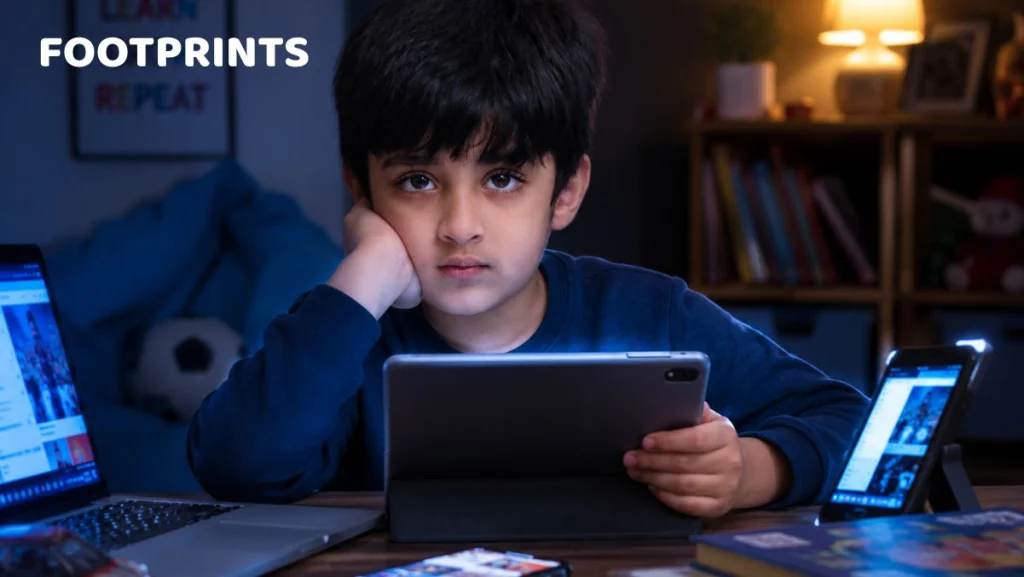
As a parent, you sure have had instances when you turned off that Peppa Pig cartoon only to find your toddler having a meltdown. Managing screen time for children is genuinely hard especially since every app is designed to keep them hooked. But the good news is, you don’t need to ban screens altogether. Instead, what you need is the right balance.
This guide walks you through what doctors actually recommend, screen time limits for toddlers, explores how screens affect your child’s development, and simple ways to reduce screen time without the daily battle.
What Counts as Screen Time? (Not Everything Is the Same)
Before getting to ways of reducing screen time, it is important to understand that all screen time isn’t all the same. Understanding this difference helps parents make better choices.
Screen time can broadly be differentiated into passive screen time and interactive screen time.
Passive watching of content involves little to no interaction for the child. It keeps the child in a receptive mode. Over time, among other things, this can limit language growth and attention spans. For that matter, the same is true of background TV as it can interfere with child development by reducing caregiver-child conversation and distracting attention.
Interactive viewing, on the other hand, involves active engagement. This could mean the child responding to prompts, making choices, or talking through the viewing along with a caregiver. In turn, active engagement helps with enhanced creativity, improved focus and better retention.
Pro tip- Major health organizations, including the WHO and AAP, do not include video calling under the restrictive screen time guidelines for children. It stands to reason since screen time, with a grandparent, for instance, involves back-and-forth human conversation and serves as a tool for social connection.
The key aspect to keep in mind, then, is that the type, content, and context of screen time matters. Most importantly, mindful balance is what truly counts.
How Much Screen Time Is Too Much? What Doctors Recommend by Age
Let us look at the screen time recommendations by age:
Under 18 months
- WHO recommends zero screen time for this age group except for video calls
- This is because at this age, the brain is still forming basic sensory-motor connections and screens tend to disrupt this process.
18 to 24 months
- At this stage, screen time is recommended to be limited to a maximum of 1 hour/day
- Content should be slow-paced and language-rich to aid child development
- Parents need to co-view the content and engage with the child. Think of interactions such as: “Look, the elephant is eating! What sound does it make?”
Ages 2 to 5
- Maximum 1 hour/day of high-quality, age-appropriate content is recommended at this stage.
- Co-viewing is strongly recommended as it turns passive viewing into an interactive experience for the child.
- Avoid fast-cutting videos, auto-play and ad-heavy platforms
- Overall, real play, outdoor time, and peer interaction outperform screens at this age
Age 6 and above
- While there is no fixed hour limit, consistent…boundaries are necessary.
- Intentional viewing where the child is actively engaged with the screen is recommended
- It is important to balance screen time with physical activity, homework, family time and sleep.

What Excessive Screen Time Is Actually Doing to Your Child
Excessive screen time can impact children in a wide variety of ways:
1. Language and speech development
- Studies link early, high-volume screen use to delayed vocabulary in toddlers.
- Research also highlights the connection between screen time and speech delay in children, particularly when passive screen use replaces face-to-face conversations.
2. Attention span and focus
- Fast-cutting content (reels, YouTube kids, cartoons) trains the brain for rapid stimulation
- This makes slower activities such as reading, drawing and outdoor play, feel boring by comparison
- Overall, it results in shorter attention span as well as difficulty with sustained focus
3. Sleep quality
- Blue light emitted by screens is known to suppress melatonin, the sleep hormone and cause difficulty in sleeping.
- Screen use within 1 hour of bedtime delays sleep onset by 30–45 minutes on average
- Poor sleep compounds every other developmental challenge
4. Social and emotional development
- Children learn empathy, turn-taking, and reading facial cues from live people
- Emotional regulation is also learnt through face-to-face interaction.
- Replacing peer interaction with screen time at this stage comes with measurable social costs
5. Physical health
- Prolonged screen use contributes to eye strain, dry eyes, and myopia in young children
- Sedentary screen hours displace active outdoor play which is essential for gross motor development
- Poor posture from tablet/phone use at young ages has long-term consequences

Warning Signs Your Child May Be Getting Too Much Screen Time
Watch out for the following warning signs that tend to accompany excessive screen time:
Behavioral signs:
- Meltdowns or aggression when screen is removed
- Disinterest in toys, books, outdoor play
- Sneaking devices or lying about screen use
Emotional signs:
- Irritability, mood swings disconnected from obvious triggers
- Using the screen for emotional regulation
- Reduced interest in family interaction
Physical signs:
learn how to identify the signs of screen addiction in children
- Rubbing eyes frequently
- Complaining of headaches
- Difficulty falling asleep or waking up frequently at night
- Reduced appetite as the child remains absorbed in the screen at meal times
How to Actually Reduce Screen Time — Without the Daily Battle
If you are looking for answers to how to reduce screen time, here are some handy steps:
Set the limit before, not after
- Ensure that you not only set a firm limit for screen viewing but also communicate it to the child before handing over the device. For instance, at the beginning of the viewing session you need to tell the child- “We watch for 30 minutes, then we play”
- A warning at 5 minutes and 1 minute before the designated time is up reduces meltdowns significantly
- Use a visual timer such as a sand clock if your child can’t yet read a clock
Replace, don’t just remove
- It is important to replace the screen with something equally engaging
- Keep a rotation of offline activities ready. Think clay, sticker books, water play and more. Children resist less when the alternative is genuinely exciting
Create consistent screen-free zones and times
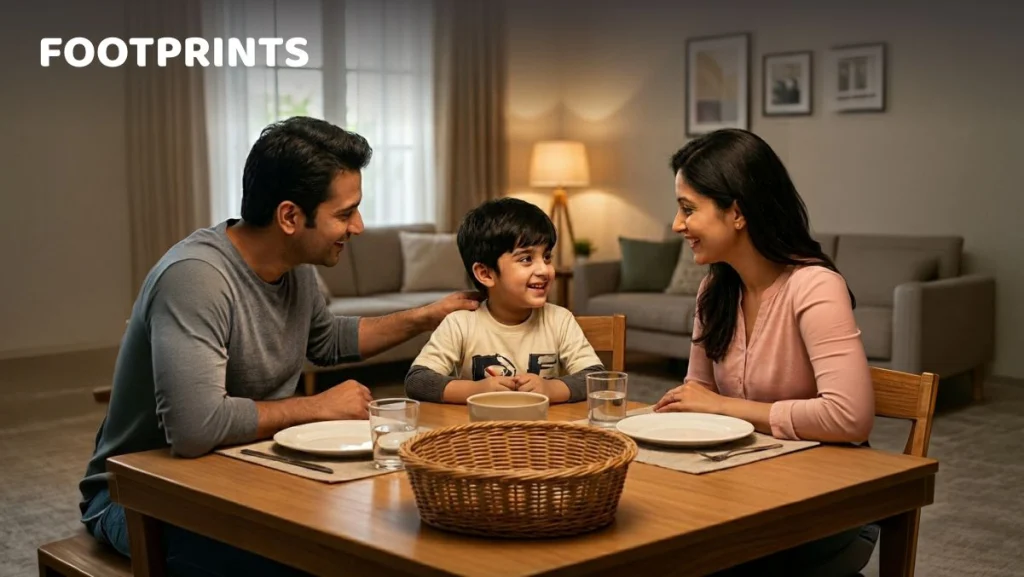
- The dining table, bedroom, and the first hour after school need to be screen-free by default
- Consistency matters the most. The answer to reducing daily conflicts lies in predictable rules.
Lead by example
- Children mirror adult behaviour more closely than most parents realise. If you scroll during dinner, they will ask for a screen at dinner as well.
- Shared device-free time such as walks, cooking together, reading give the right message to children.
Not All Screen Time Is Equal — Educational vs. Passive Content
With healthy screen time, you can actually make screen time work for your child. Here is how:
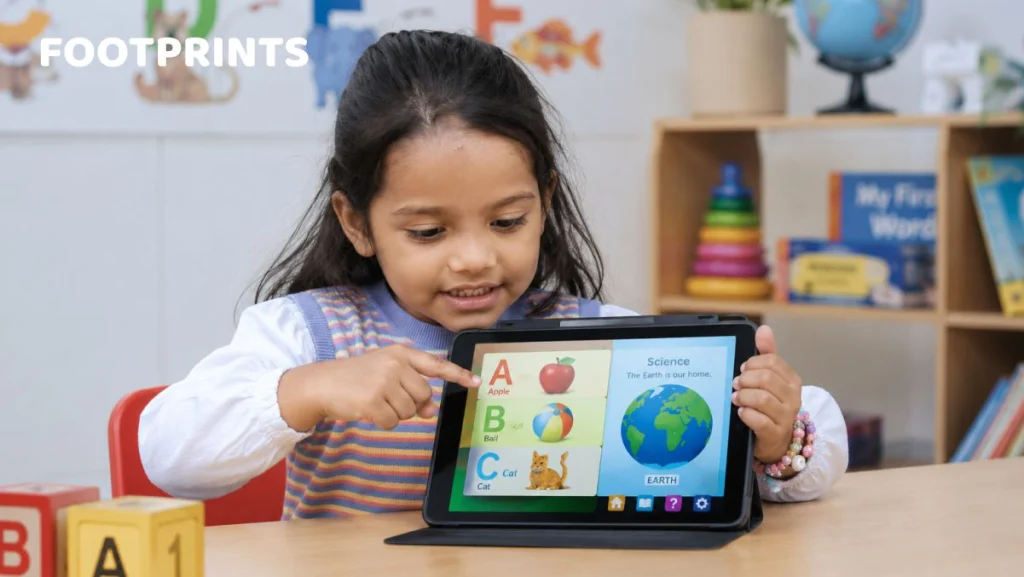
- Ensure that the child watches genuinely educational content. If you’re unsure where to start, explore our guide to the best educational apps for preschoolers that encourage active learning instead of passive entertainment.
- Red flags in “educational” apps include lack of interaction, auto-play next video and built-in ads.
- YouTube Shorts and reels are not suitable for children under 5 on account of the rapid cuts, flashy visuals, and constant stimulation that can overwhelm the child’s developing brain.
- Overall, the quality markers to look for in content include slow pace, repetition, language-rich narration, real-world connection.
Screen Time Quick Reference for Parents
| Age Group | Daily Limit | Content Allowed | What to Avoid |
| Under 18 months | None (except video calls) | Video calls with family only | All passive entertainment |
| 18–24 months | Up to 1 hour | High-quality content, co-viewed with parent | Solo screen time |
| 2–5 years (preschool) | 1 hour/day maximum | Quality educational content | Fast-paced videos, ads, auto-play |
| 6 years and above | Consistent limits | Balanced with play, homework, sleep | Screens before bedtime |
How a Good Preschool Builds What Screens Cannot
Children between ages 2–5 learn best through active experiences—touching, building, pretending, even negotiating with peers. Play-based preschool environments naturally spark curiosity in young children besides providing rich opportunities for social skill development and emotional regulation, aligning with key child development milestones. Structured, screen-free learning time in preschool helps establish enduring habits that last well beyond the preschool years.
At Footprints Play School, we follow the scientifically developed High Scope curriculum. Its plan–do–review approach builds cognitive depth by encouraging children to plan their own activities, carry them out, and then reflect on them. In turn, this nurtures decision-making, problem-solving, and self-awareness, skills that form a strong foundation for lifelong learning.

Frequently Asked Questions
1. What is a healthy screen time for a 2-year-old?
WHO recommends no more than 1 hour of screen time for this age group. Parents should co-view along with the child and guide the activity. Real-world play and interaction remain extremely valuable at this age.
2. Does screen time cause speech delay in toddlers?
Excessive passive screen time can reduce opportunities for conversation and interaction, which are critical for language growth. Too much screen time can therefore contribute to speech delays.
3. Is YouTube Kids safe for children under 5?
No platform is fully safe without adult supervision. Even child-focused apps may autoplay content or show ads. Active parental involvement is therefore essential to ensure safety.
4. How do I stop my child from crying when I take the phone away?
Children find transitions tough. The key lies in setting clear limits before handing over the device, offering alternative engaging activities, and staying consistent.
5. What does WHO say about screen time for children?
The World Health Organization advises no screen time at all for children under 2, and no more than one hour per day for ages 2–4. They emphasize that less is better and that the focus needs to be on active play and caregiver interaction.
6. Can a little screen time every day really be harmful?
A small amount of intentional, supervised screen time is unlikely to cause harm. The concern arises when daily use becomes prolonged, or replaces essential activities like play, sleep, and social interaction.
7. At what age can children start using educational apps?
Around age 2, children can begin using simple, interactive apps. The sessions should be short and guided by parents or caregivers.
To Sum Up
The overall approach when it comes to screen time is to maintain balance. Small, consistent changes tend to work better than a blanket ban.
Importantly, parents need to make sure that screen use is intentional and age-appropriate. With the right amount and the right type of screen use, you can support healthy development rather than hinder it.
At Footprints Preschool, our dedicated team, well-crafted curriculum, and safe, nurturing environment ensure holistic development of children.

Purvesh Sharma is a TED speaker, IIT-Delhi alumnus, certified life coach, and Co-Founder of Footprints Childcare — India’s safest preschool and daycare chain operating multiple centres across 30+ cities. He co-founded Footprints after recognising a fundamental gap: working parents in India needed a childcare option that combined genuine safety, research-backed curriculum, and real-time parent connectivity.
A certified life coach with deep exposure to behavioural science and developmental psychology, Purvesh leads parenting workshops and engagement programmes across Footprints centres — directly engaging with tens of thousands of Indian parents on the challenges of raising young children in urban India. As a parent himself, he brings lived experience to every piece he writes on child behaviour, tantrums, discipline, habit formation, and school readiness.
His writing is grounded in both the science of early childhood development and the real, daily decisions Indian parents face.
 View Fees
  Call Us