

Most parents focus on visible infrastructure like secure gates, CCTV cameras, and modern classrooms when evaluating a preschool. However, Child safety at preschool goes far beyond physical security. It also includes well-trained staff, strict safety policies, emergency preparedness, hygiene standards, and continuous monitoring systems that together create a truly secure environment for children.
This article offers a practical preschool safety audit checklist for parents to help you make an informed decision.
Why Parents Should Do a Preschool Safety Audit
Simply put, a safety audit helps parents evaluate the real systems that protect children every day. With a handy checklist parents can be empowered to make the right decision that ensures child safety.
What Is a Preschool Safety Audit?
Before we get into the details on what aspects parents should evaluate, it will help to understand what a preschool safety audit really is.
A preschool safety audit is a simple, structured evaluation parents can do before admitting their child to a preschool. It goes beyond just looking at classrooms and helps you assess whether the school has the right people, systems, and safeguards in place.
What Parents Should Evaluate
Some of the aspects parents should evaluate, include:
Staff
- Effective background checks of staff
- Training in child psychology and first aid, and relevant experience in early childhood care
- Staff behavior and attentiveness during daily routines.
Infrastructure
- Secure entry/exit points, child-friendly infrastructure, safe play areas, and hygienic facilities.
- Presence of fire safety equipment.
Security
- AI enabled CCTV cameras
- Visitor logs, ID verification, and restricted access to children’s areas.
Policies & Procedures
- Clear rules for child handling, dispersal and emergency response
- Transparent, tech-enabled communication with parents.
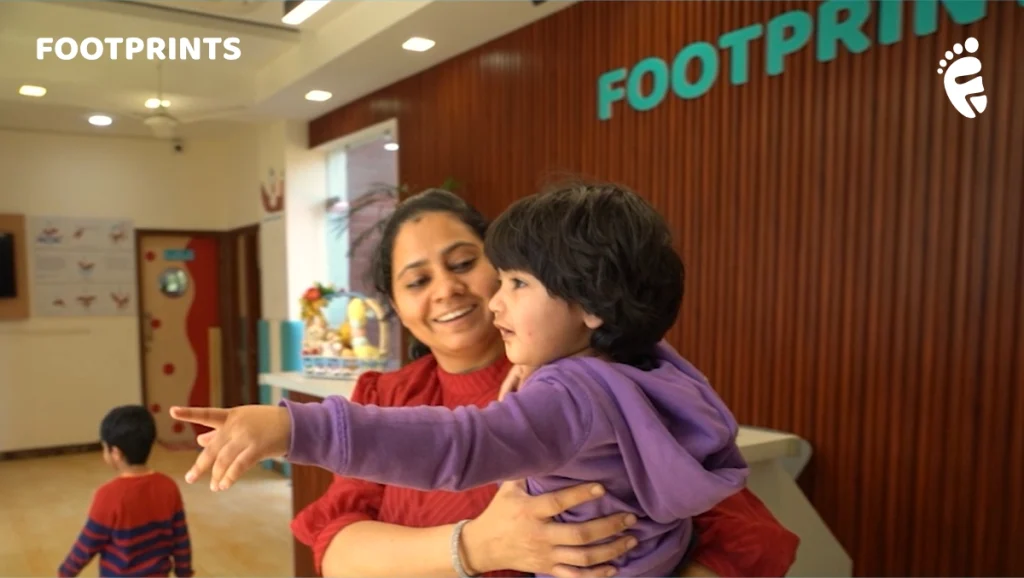
Preschool Safety Checklist for Parents
Let us deep dive into some of these points to evaluate whether a preschool is truly prepared to protect your child.
Check the Staff and Teacher Policies
- Preschool Staff Verification: Confirm that police verification, reference checks, and identity validation has been conducted for every staff member.
- Teacher Behavior: Observe how teachers interact with children. Look for aspects such as patience, attentiveness, and respect since these are non-negotiable.
- Child Handling Approach: Ask about aspects such as feeding, diapering, nap routines, and discipline policies. These should feel safe and nurturing for your child.
You could also look for an all-female staff policy in preschools. Although it is important to keep in mind that while this adds to child safety, training and systems matter more than gender alone.
Evaluate CCTV and Monitoring Systems
- CCTV Coverage: Check to see that CCTV cameras are installed and that they cover classrooms, play areas, and entry/exit points.
- Live Access: Ask if parents can view live footage.
- Monitoring Transparency: Ensure there is clarity on who monitors the system and how incidents are handled.
It is very important to check on AI CCTV vs basic CCTV in preschools. A safe preschool environment necessitates the use of AI-enabled systems as they provide real-time alerts and help the staff to take real-time decisions proactively. Basic CCTV, on the other hand, only records events.

Inspect Entry and Exit Security
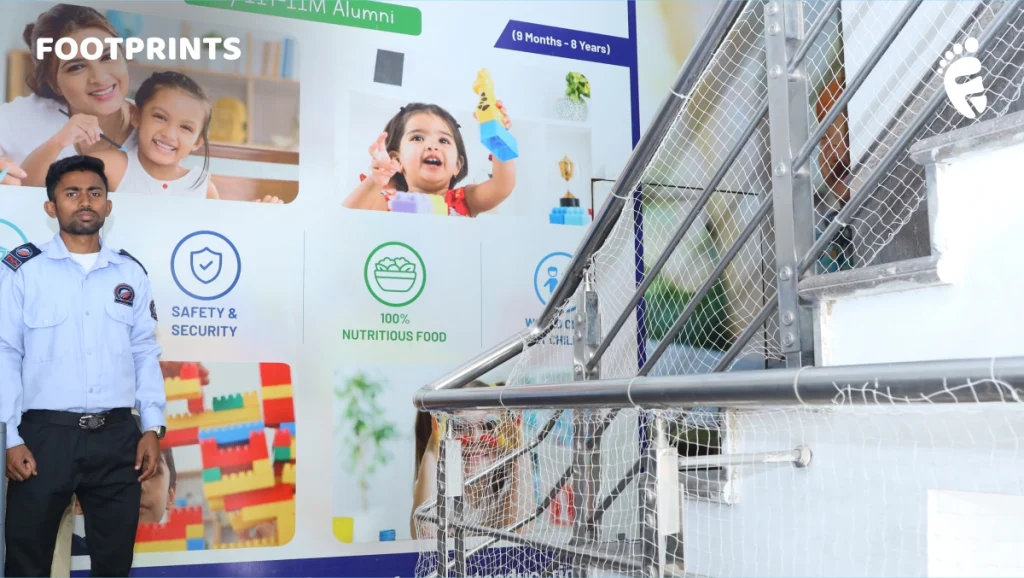
- Controlled Access: Verify that only authorized individuals can enter child areas.
- Visitor Logs: Check to see whether or not the school maintains detailed visitor records.
- Secure Drop-Off/Pick-Up: Ensure there are clear protocols for handing children over to parents or guardians at the time of dispersal
- Emergency Exits: Confirm that exits are child-safe yet accessible during emergencies.
Ask About Emergency Preparedness
- Fire Drills: Schools should conduct evacuation drills as a matter of routine.
- Medical Response: All staff must be trained in first aid and CPR as a non-negotiable aspect.
- Evacuation Protocols: Clear procedures should exist for handling emergencies like earthquakes or fires.
- Communication Plan: Ask how parents are notified during emergencies.
Preschool Safety Audit Checklist for Parents
| Area to Check | What Parents Should Observe | Why It Matters |
| Staff | Background checks, teacher training, daily interaction style | Verified, trained caregivers are the first safety net |
| CCTV | Wide coverage, live access for parents, clarity on who monitors | Offers transparency and allows for proactive response |
| Entry Security | Controlled access, visitor logs, secure drop-off | Ensures there is no unauthorized entry |
| Infrastructure | Child friendly infrastructure,fire safety equipment | Reduces accidents |
| Hygiene | Clean classrooms, sanitized washrooms, safe food handling, staff hygiene practices | Prevents infections |
| Emergency Response | Fire drills, first aid/CPR training, evacuation protocols, parent communication plan | Preparedness ensures quick action |
Red Flags Parents Should Never Ignore
If you come across any of the below aspects, these are certain red flags that you simply cannot ignore:
- No CCTV Coverage
- Staff background checks not performed
- Poor entry and exit protocols
- Inadequate emergency preparedness
- Poor hygiene standards
- Caregiver negligence or indifference
Questions Parents Should Ask Before Admission
Some of the questions parents should make a point on asking before making any decision of admitting your child to the preschool include:
- How are staff verified?
- Do parents get CCTV access?
- What happens during emergencies?
- How is child pickup managed?
Parents can also explore this detailed day-care safety checklist for parents to better understand what safety standards to look for before admission.
Why Safety Should Matter More Than Fancy Infrastructure
When parents visit preschools, it is easy to be impressed by modern buildings and colorful classrooms. While these are important, true child safety is not about how the school looks. It is about the systems that protect children every single day and keep them safe. What is very important is the policies and supervision that is put into place including verified staff, clear child-handling policies and active monitoring systems.
Child safety at preschool effectively means parents need to prioritize safety systems over infrastructure while making admission decisions.
Frequently Asked Questions
1. How do parents check preschool safety?
Ensure you conduct a safety audit by evaluating staff verification, CCTV coverage, entry/exit security, hygiene standards, and emergency preparedness.
2. What should be included in a preschool safety checklist?
Key areas include staff policies, infrastructure safety, CCTV monitoring, visitor control, hygiene practices as well as emergency response systems.
3. Is CCTV important in preschools?
Yes, monitoring is key. Make sure however, to check that the school offers AI-enabled CCTV that offers proactive alerts.
4. What are red flags in a preschool?
Some of the red flags include no CCTV coverage, unverified staff, poor entry security, neglected hygiene, lack of emergency drills, and teachers showing indifference or negligence.
5. How do I know if a preschool is safe?
A safe preschool demonstrates layered safeguards by way of verified staff, transparent monitoring, secure infrastructure, and clear emergency protocols. Parents should feel confident in terms of both the systems and the daily practices.
To Sum Up
In short, effective evaluation of a preschool involves evaluating staff, CCTV monitoring, child-friendly infrastructure and emergency readiness. A detailed safety audit ensures that you can make an informed decision.
At Footprints Play School, we are committed to child safety. Whether it is robust staff background checks, AI-enabled CCTV monitoring or child-friendly infrastructure, we leave no stone unturned in keeping young learners safe.

Aditya brings over ten years of expertise as a Senior Marketing Strategist. He’s an expert at developing captivating marketing tactics that regularly provide excellent outcomes. His innovative strategies have demonstrated a track record of increasing organizational reach and engagement, showcasing his extensive knowledge of the contemporary marketing landscape.
 View Fees
  Call Us