

When it is time for children to head to preschool, several doubts plague parents. Is it necessary to send the child to preschool? What happens if you decide that your child will skip preschool? Is the decision risky? These are only some of the many questions that parents deal with. This article will explain these exact questions. By the end of this article, you will understand the importance of preschool and whether to pursue it.
The HighScope Perry Preschool longitudinal study, which tracked participants for over 40 years, found that children who attended high-quality preschool were significantly more likely to graduate school, hold steady employment, and have higher incomes — compared to those who missed early education.
Is It Okay for a Child to Skip Preschool?
Well, the answer to this question is yes. But it really depends on the child’s needs and family circumstances. While preschool is not mandatory, it can be highly beneficial, as it offers structured learning, peer interaction, and routines that help children transition into formal schooling.
The decision should really be guided by:
- The child’s temperament: Many children benefit from social exposure. Some may thrive in familiar settings.
- Family resources – Availability of time, parental involvement, and access to learning materials at home are some of the factors that need to influence your decision.
- Future readiness: Preschool can ease the adjustment to kindergarten. Home learning can also prepare children, but it needs to be done thoughtfully.
What Happens If a Child Skips Preschool?
We can see the effects of skipping preschool in terms of the following:
Fewer Social Interactions
- Preschool provides enough and more opportunities for children to interact with peers and to learn to share and cooperate.
- Skipping preschool may mean fewer chances for children to practice teamwork, conflict resolution, and empathy in group settings.
Adjustment Challenges
- Children who skip preschool may find the transition to kindergarten to be more abrupt.
- Skipping preschool activities may also mean that children need extra time to adjust to routines and group dynamics and to fulfil the general expectations of a classroom.
Learning Differences
- Preschool introduces the children to structured learning.
- At home, learning is more flexible and depends on parental involvement.
- Children who skip preschool may be strong in family-taught areas, but they are typically less practised when it comes to group-based tasks.
All of this is not to say that skipping preschool is inherently harmful. With attentive carers, children can also thrive at home, even though it needs a lot of focus to ensure that different developmental areas of the child are catered to in a scientific manner.
According to the Harvard Center on the Developing Child, the early years represent a sensitive period for brain development — and children who miss structured, stimulating early learning environments may face long-term gaps in language, attention, and self-regulation skills.
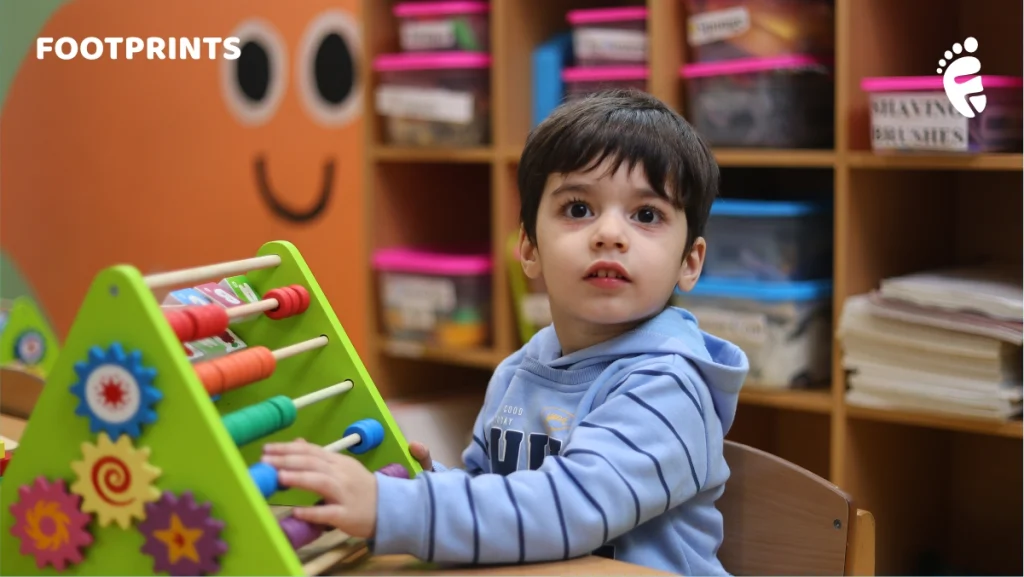
Skills Children May Miss Without Preschool
Communication Skills
- Preschool encourages children to express themselves in front of peers as well as teachers.
- Through storytelling and show-and-tell activities, children build vocabulary as well as confidence.
Social Skills
- Daily peer interaction teaches children how to share and cooperate as well as resolve conflicts.
- Children also learn empathy and teamwork by working in groups.
Routine Building
- Preschools tend to follow a structured daily schedule. This includes aspects such as circle time, playtime, snack time, and rest time.
- Such routines help children develop discipline. Besides, predictable routines also bring in a sense of security in children.
Early Learning Exposure
- Preschool introduces children to letters, numbers, shapes, and problem-solving activities in an age-appropriate manner.
- Exposure to structured learning, in turn, builds school readiness.
UNICEF data shows that children who participate in pre-primary education are significantly better prepared for primary school — demonstrating stronger literacy, numeracy, and social readiness — than children with no early education experience.
With Preschool vs Skipping Preschool
| Area | With Preschool | Skipping Preschool |
| Social Interaction | Daily peer learning, sharing, conflict resolution | Limited peer exposure |
| Communication Skills | Vocabulary building, confidence | Less exposure to diverse interactions |
| Routine Building | A structured schedule brings discipline | Adjustment to school may take longer |
| Learning Exposure | Early introduction to different aspects through a scientifically developed curriculum | Learning depends on parental involvement |
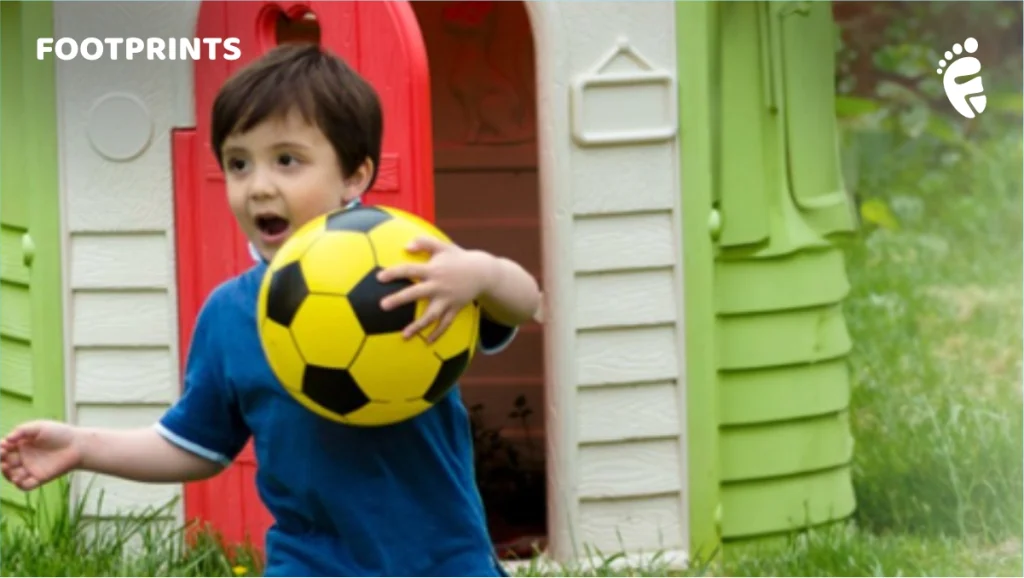
Can Children Learn the Same Skills at Home?
Yes. Children can learn many of the same skills at home, namely communication, social habits, routines, and early academics. However, it requires intentional effort from parents or caregivers. To be able to learn the same skills at home, the following aspects are required:
Parental Involvement
- Parents need to actively engage in guiding their child’s development.
- Activities like reading aloud, storytelling, role-play, and group playdates are important substitutes for the learning offered at preschool.
Structured Home Learning
- While the home environment is naturally flexible, adding structured elements helps children prepare for school.
- Simple routines, such as setting time for reading, play, meals, and more, build discipline and predictability.
- Planned learning activities offer structured exposure to early academics.
- Overall, children can learn the same skills at home, but it requires dedicated parental effort and structured routines as well as intentional learning opportunities.
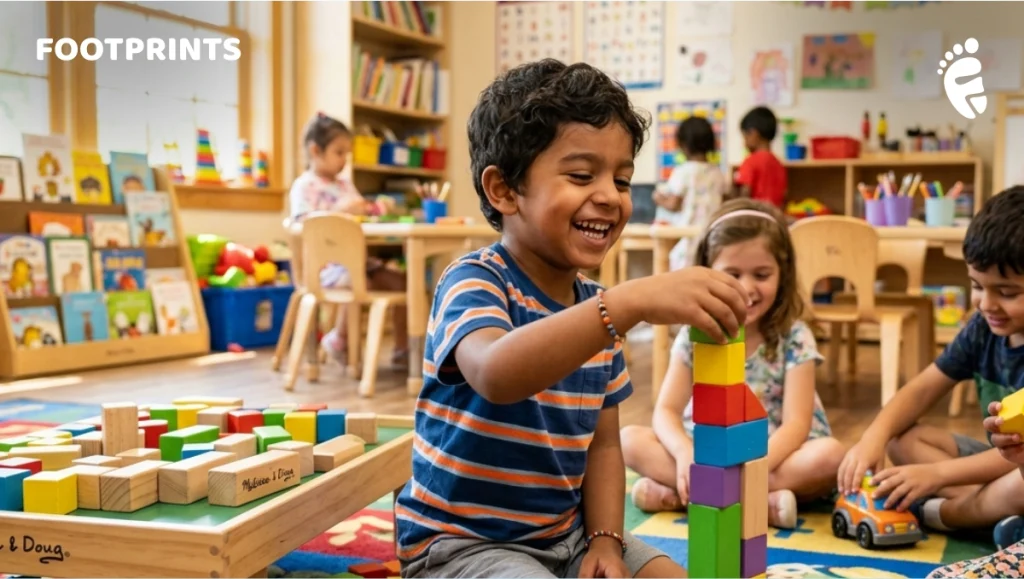
When Skipping Preschool May Not Be a Problem
Skipping preschool can work well if the following conditions apply:
Strong Home Environment
- If the home provides a nurturing, stimulating space, children can thrive without preschool.
- Structured activities like reading, storytelling, puzzles, and playdates can replicate many preschool experiences.
Child Not Ready
- Some children may not be emotionally or socially ready for group settings. Skipping preschool allows them to develop at their pace without pressure.
Parental Support
- With active parental involvement, children can learn communication, routines, and early academics at home.
- Parents who can dedicate time and effort to structured activities and social exposure can bridge many gaps that the preschool would otherwise fill.
When Preschool Becomes Important
A preschool becomes particularly important in terms of offering the child the much-needed social exposure. It is also imperative to offer opportunities for group learning. Importantly, the preschool with its routine and structured activities helps in school readiness.
How Parents Can Support Learning Without Preschool
Should you decide to skip preschool, you need to ensure that the child has a structured daily routine that offers predictability and a sense of security. You also need to work on offering age-appropriate, play-based learning so that it does not seem like a chore to the child. You will also need to work at offering enough opportunities where the child can interact with peers in group settings.
Frequently Asked Questions
1. Can a child skip preschool and still succeed?
Yes. Many children thrive without preschool, especially if they have a supportive home environment with parental involvement, routines, and opportunities for social interaction.
2. Is preschool necessary for child development?
While a preschool is not strictly necessary, it offers unique benefits like structured learning, peer exposure, and routine-building.
3. What skills do children miss without preschool?
Children may miss out on aspects such as communication practice with peers and teachers, social skills like sharing, cooperation, and teamwork, routine building through structured schedules, and early learning exposure to literacy, numeracy, and problem-solving activities
4. Can parents replace preschool learning at home?
Yes, but it requires effort and intentionality. Parents must create structured routines, encourage play-based learning, and provide social opportunities like playdates.
5. Is skipping preschool harmful?
Skipping preschool is not harmful if children receive strong parental support, daily stimulation, and opportunities to interact with others. The main difference is that preschool offers a ready-made environment for these experiences, while at home, parents must consciously create them.
To Sum Up
Skipping preschool is a personal choice that needs to depend on the child’s temperament and whether or not parents can put in the requisite effort to offer structured learning, routine and enough opportunities for socialisation.
At Footprints Playschool, we follow the scientifically developed HighScope curriculum, which prepares students in different content areas and focuses on active, participatory learning that aims to create learners for life.

Shubham Tiwari is a childcare specialist and education content expert with over 5 years dedicated to India’s early childhood education landscape. His work sits at the intersection of child development research and practical parenting guidance — helping Indian families understand preschool selection, evaluate curriculum quality, recognise developmental milestones, and navigate child safety standards.
Over the course of his career in early childhood education, Shubham has developed deep expertise in the questions Indian parents ask most: when to start preschool, what to look for in a curriculum, how to identify speech delay early, and what genuine early learning looks like versus supervised play. His writing covers preschool admission processes, child safety policies, handwriting and language development, and how early experiences shape long-term brain development.
Shubham’s approach is research-first and parent-first — making early childhood education knowledge accessible to every family, regardless of background.
 View Fees
  Call Us