

A landmark 2018 report by the American Academy of Pediatrics concluded that play is not a luxury — it is a biological necessity for children’s healthy brain development, supporting executive function, creativity, language, and social-emotional skills in ways that direct instruction cannot replicate.
Playgroups are a fantastic place for all young children to engage in play and socialize with their peers. These groups offer a stimulating and supporting environment that fosters cognitive development in children. When you let your children participate in playgroups, children can develop important skills that will benefit them throughout their lives. From enhancing social interaction abilities to nurturing communication and language skills, playgroups play a crucial role in a child’s learning journey. In addition to that, playgroups are the place where children learn imaginative things, creativity, and emotional well-being. So, if you are looking to give your child a head starts in their cognitive development, then the best idea would be enrolling them in a Play Group Education is a great idea. While we mentioned that playgroups help in cognitive development, do we know what the importance of cognitive development is? Let’s discuss that first.
Importance of Cognitive Development
A child’s brain is like a sponge in the early years of life, absorbing knowledge from the environment. Most of the cognitive growth takes place during this time, which is frequently referred to as the critical period. It is essential to give kids the proper environment and stimulus to support their cognitive development. Improved academic performance is one of the main advantages of cognitive growth. Children that are cognitively mature are more likely to succeed in school. They can take in and process information, exercise critical thought, and resolve challenging issues.
These children are also more able to swiftly pick up new concepts and adjust to new learning situations. A child’s social and emotional development is critically impacted by cognitive growth as well. Children become more conscious of their own emotions as well as other people’s emotions as they mature and develop cognitively. They gain empathy and the abilities needed for constructive social relationships. In addition to assisting them in developing lasting relationships, this also sets them up for future success in both their personal and professional life. All in all, cognitive development is important for young children, and this is why it’s important to get your child enrolled in the best play school chain.
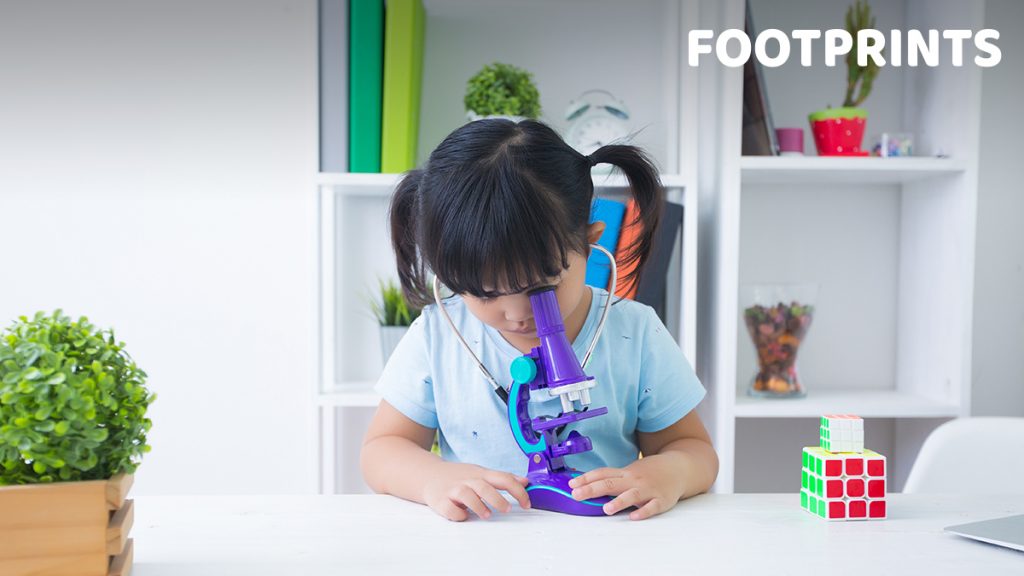
Play Groups promoting cognitive development
A joint report by UNICEF and the LEGO Foundation identifies five qualities of learning through play that are essential for holistic child development: active engagement, meaningful connection, social interaction, iterative experimentation, and joyfulness — all naturally present in group play environments.
1. Stimulates Brain Development:
Playgroups offer a wide variety of activities that efficiently foster children’s brain development. Children benefit from engaging in a range of play-based activities because they get to explore new ideas, solve problems, and use their creative thinking skills while still having fun. The synaptic connections in children’s brains are strengthened by these stimulating activities, which also improve critical skills like memory retention, attention span, and problem-solving aptitude.
2. Enhances Social Interaction Skills:
Playgroups give youngsters crucial opportunities to interact and connect with other kids their age and are more than just a fun activity. Children who actively engage in play have the chance to not only learn the value of sharing, taking turns, and cooperating with others but also to develop crucial communication skills. These social contacts are critical for developing their emotional intelligence and giving them the fundamental social skills they will need to succeed in their future interactions and relationships.
3. Encourages Language and Communication Skills:
Playgroups offer a rich setting where children can develop their language skills via conversation, storytelling, and imaginative play. Children who engage in these activities improve their vocabulary and sentence structure, as well as vital listening abilities. Additionally, playgroups support children’s cognitive development by encouraging them to communicate their thoughts, ideas, and feelings clearly. Children are given the chance to bloom and prosper in their language and communication skills in this supportive environment.
4. Fosters Creativity and Imagination:
Playgroups provide a vibrant, energizing setting where kids can freely explore and express their creativity. Little ones can foster and strengthen their creative abilities while also honing their problem-solving skills by participating in imaginative play, storytelling, and artistic endeavors. These interactive games help kids think outside the box, which helps them come up with creative answers to a variety of problems. Playgroups also give kids the chance to express themselves creatively and uniquely, encouraging individuality and a sense of self-expression.
5. Builds Cognitive Skills:
Playgroups provide a wide range of activities that only engage children but also enhance the children’s cognitive abilities. At playschools, children get involved in solving puzzles, building blocks, and other mind-twisting games that develop crucial skills like logical reasoning, critical thinking, and, most importantly, understanding of mathematical concepts. All these skills encourage children to explore various situations where they must implement their problem-solving skills and improve their spatial awareness. Moreover, all these things also help strengthen the numerical and brain working ability. Hence, playgroups play a vital role in setting a strong foundation for future learning and academic excellence among children.
The HighScope Foundation’s research on active participatory learning demonstrates that children who learn through self-initiated, hands-on play develop stronger problem-solving ability, initiative, and creative thinking — outcomes that persist well into adulthood.
6. Boosts Emotional and Self-Regulation Skills:
Playgroups give kids a safe, encouraging environment in which to develop their capacity for emotional control and behavioral self-regulation. Children learn to deal with a variety of emotions, develop a greater awareness of their own sentiments, and express them clearly via play. Additionally, via play, kids can hone their self-control abilities, which are crucial to their general development and success in several settings. In the end, the emotional and self-regulation abilities fostered in playgroups are crucial for fostering children’s general well-being and assuring their success in a variety of contexts.
Let’s consider a few examples:
- Children may engage in a game of hide-and-seek together. Because of this, they must utilize their problem-solving abilities to determine where to hide and how to locate one another.
- Children might use blocks to construct a fort. They must exercise creativity in coming up with a design and problem-solving abilities in figuring out how to make it function.
- Children might engage in a game of charades. They must use both their critical thinking and communication skills to decipher what the other kids are attempting to say and to define a word or phrase without speaking.
Conclusion:
In conclusion, playgroups provide young children with a special and beneficial opportunity to advance their cognitive development. These organizations offer young people a safe space where they can study, explore, and develop in a supportive setting. Children gain crucial cognitive abilities, including problem-solving, critical thinking, and decision-making, by taking part in playgroup activities. Playgroups encourage social engagement as well, teaching kids how to interact with others to communicate, share, and cooperate.
As children converse and play imaginatively, their language and communication skills improve as well. Playgroups help youngsters to express themselves and think creatively since they are given opportunities to do so. Finally, playgroups help children’s mental health by giving them a secure and encouraging environment in which to develop resilience, self-worth, and confidence. As a result, registering your kid for a playgroup might be a wise investment in their general development and cognitive progress.

Purvesh Sharma is a TED speaker, IIT-Delhi alumnus, certified life coach, and Co-Founder of Footprints Childcare — India’s safest preschool and daycare chain operating multiple centres across 30+ cities. He co-founded Footprints after recognising a fundamental gap: working parents in India needed a childcare option that combined genuine safety, research-backed curriculum, and real-time parent connectivity.
A certified life coach with deep exposure to behavioural science and developmental psychology, Purvesh leads parenting workshops and engagement programmes across Footprints centres — directly engaging with tens of thousands of Indian parents on the challenges of raising young children in urban India. As a parent himself, he brings lived experience to every piece he writes on child behaviour, tantrums, discipline, habit formation, and school readiness.
His writing is grounded in both the science of early childhood development and the real, daily decisions Indian parents face.
 View Fees
  Call Us