

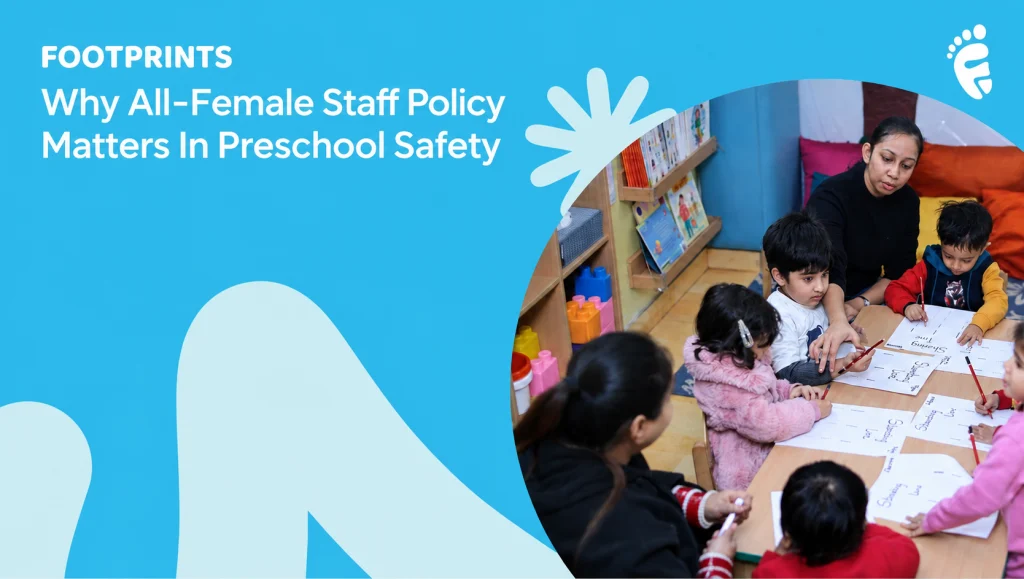
When it comes to ensuring child safety at preschool, people, more than infrastructure, can make a key difference. One policy that parents look for while sending their child to preschool is that of having an all-female staff. In this blog, let us look at the relevance of an all-female preschool staff and what really matters in ensuring child safety.
Why Staff Matters More Than Infrastructure in Preschool Safety
Child safety at preschool necessitates the use of infrastructure such as CCTV cameras, secure gates and more. Infrastructure alone, however, cannot protect the child. What truly ensures child safety are the people – teachers, care givers and support staff – who interact with the children every day. Here is why:
Daily Interaction
Children spend most of their time in preschool under the direct supervision of staff. A vigilant teacher notices when a child feels unwell or when a safety hazard arises. No amount of equipment can replace the human instinct to step in immediately.
Emotional Connection
Safety isn’t just physical. Importantly, it is also emotional. A child who feels secure with their teacher is more likely to express discomfort, fear, or simply their needs. It is this emotional bond that ensures that any concerns of the child are addressed before they escalate into risks.
Trust Factor
A well-trained, compassionate team creates an environment where the child feels safe and the parent can feel confident that the child is safe.
In short, while infrastructure supports safety, it is the staff that ensures it. It is the warmth and attentiveness of caregivers that turns a preschool into a safe haven for children.
What Is an All-Female Staff Policy in Preschools?
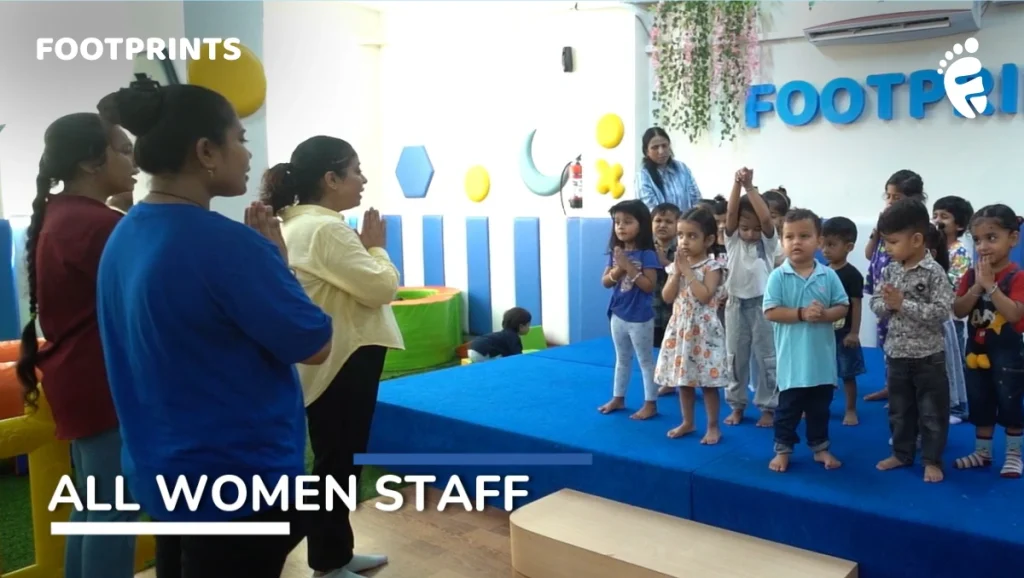
By definition, an all-female staff policy means that a preschool employs only women in teaching and caregiving as well as support roles. This idea is rooted in the belief that female staff are naturally more nurturing. This policy is known to enhance child safety and therefore also parental comfort. Parents often feel reassured knowing that their child is in a nurturing environment.
In essence, then, an all-female staff policy offers comfort and safety to parents.

How All-Female Staff Policy Contributes to Child Safety
Comfort for Young Children
Young children often feel more at ease with female caregivers, especially in their early years. With a nurturing presence they also tend to settle in faster and have reduced separation anxiety.
Reduced Parental Anxiety
Needless to say, when the child feels more comfortable, parents tend to feel reassured. Overall it tends to offer them a sense of security and confidence.
Easier Communication
Many parents, especially mothers, find it comfortable interacting with female staff, particularly when it comes to issues such as health, hygiene or emotional concerns. Overall, then, the parent-school partnership strengthens, and the goal of child safety is further protected.
Cultural Trust Factors
In India, the all-female staff policy also aligns with societal norms and expectations. Families often view it as a protective measure. It also reinforces trust in the preschool’s overall commitment to child safety.
Is an All-Female Staff Policy Enough for Safety?
An all-female staff policy goes a long way in reassuring parents of the child’s wellbeing, safety and comfort. This, however, isn’t a complete solution to preschool safety. Complete child protection requires a multi-layered approach that goes beyond gender alone. This includes:
Training
The staff needs thorough training in aspects such as safe caregiving practices, emergency response, first aid and more. It is only well-trained staff that will be able to follow the right safety protocols and ensure child safety.
Background Checks
Comprehensive screening of staff is an important prerequisite. You can only trust your child with them when you conduct thorough background checks of staff.
Monitoring Systems
Child safety requires a whole lot of monitoring systems to be put in place. These include but are not limited to CCTV cameras with live CCTV footage, visitor logs, secure access points, robust dispersal practices and more.
While gender-based policies can add comfort, they are not a substitute for professional training, background checks and robust monitoring systems.
Other Important Staff Safety Measures Parents Should Check
Beyond staff gender policies, parents should look for other safety practices that truly protect children:
- Background Verification
Ensure every staff member has undergone police verification, reference checks, and identity validation.
- Staff Training Programs
Make sure teachers and caregivers are trained regularly in aspects such as child psychology, first aid, and safe caregiving practices. These trainings need to be ongoing so that the safety standards are current.
- Child Handling Protocols
Preschools need to have clear guidelines on various aspects of child handling, such as feeding, diapering, nap routines, and more.
- Emergency Response Training
Staff must also be prepared for fire drills, medical emergencies, and evacuation procedures.
Staff Safety Measures in Preschools
| Safety Factor | What to Check | Why It Matters |
| Staff Gender Policy | Female/mixed | Offers child safety and parental comfort |
| Background Checks | Police verification, reference checks, identity validation | Ensures that the staff is trustworthy |
| Training | Regular programs in child psychology, first aid, emergency response | Keeps staff prepared for everyday care and emergency situations |
| Experience | Prior work in early childhood education or caregiving | Experienced staff is better equipped to take care of child needs |
| Monitoring | CCTV cameras, visitor logs, secure access points | Ensures transparency and child safety. |
Common Misconceptions About All-Female Staff
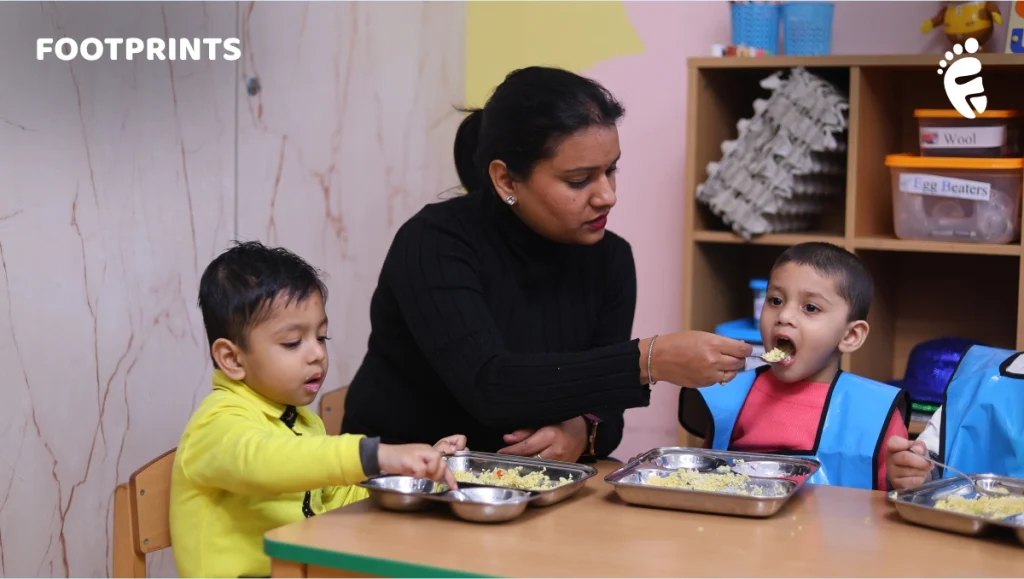
Many parents assume that having only women as preschool staff automatically guarantees child safety. This is not true. While female caregivers typically provide comfort and reassurance, safety risks can still exist if schools lack proper systems and oversight.
Real safety is created by combining policies and practices:
- Rigorous background checks
- Regular training in child psychology, first aid, and emergency response
- Clear child handling protocols
- Transparent monitoring systems like CCTV and visitor logs
Parents need to evaluate whether or not the preschool has strong systems in place to safeguard children.
How Parents Can Evaluate Preschool Staff
Recognising that the quality of staff is the real safety net that can help keep the child safe, here is a simple checklist to guide you on the various aspects to evaluate preschool staff:
- Ask About Hiring Process
- Enquire how teachers and caregivers are recruited.
- Check if police verification, reference checks, and prior experience are mandatory.
- Observe Staff Behavior
- Watch how staff interact with children
- Are they patient, attentive, and respectful?
- Do they maintain hygiene, supervise actively and respond quickly to child needs?
- Check Interaction Style
- Check to see if the communication is warm and encouraging, as this builds trust and increases the child’s confidence.
- Check if teachers guide exploration, not just instruct. It is only then that they will raise learners.
Frequently Asked Questions
1. Is an all-female staff policy necessary in preschools?
An all-female staff policy offers a sense of comfort and reassurance. However, true safety depends on systems like training, background checks, and monitoring, not gender alone.
2. Are female teachers safer for children?
Female staff may feel more approachable to parents and children, but proper vetting, training, and accountability are what make any teacher safe.
3. What staff policies ensure child safety?
Strong hiring processes, police verification, ongoing training, clear child-handling protocols, and transparent monitoring systems ensure child safety.
4. How can parents verify preschool staff?
Ask about the hiring process and whether or not the preschool undertakes extensive staff verification; observe staff behaviour during visits and check how teachers interact with children.
5. Is staff training more important than gender?
Yes. Training equips staff to ensure child safety, handle emergencies and respond to risks. Gender may bring comfort, but it is training that ensures competence.
To Sum Up
While an all-female staff policy in preschools offers a sense of comfort, true safety is a result of stringent background checks by way of teacher background verification as well as that of other staff, robust staff training, and a fully monitored environment.
At Footprints Preschool, we are committed to child safety, as seen in our staff verification processes, ongoing training and more. To understand how staff policies fit into overall safety, read our complete guide on child safety at preschool.

Shubham Tiwari is a childcare specialist and education content expert with over 5 years dedicated to India’s early childhood education landscape. His work sits at the intersection of child development research and practical parenting guidance — helping Indian families understand preschool selection, evaluate curriculum quality, recognise developmental milestones, and navigate child safety standards.
Over the course of his career in early childhood education, Shubham has developed deep expertise in the questions Indian parents ask most: when to start preschool, what to look for in a curriculum, how to identify speech delay early, and what genuine early learning looks like versus supervised play. His writing covers preschool admission processes, child safety policies, handwriting and language development, and how early experiences shape long-term brain development.
Shubham’s approach is research-first and parent-first — making early childhood education knowledge accessible to every family, regardless of background.
 View Fees
  Call Us