

While a preschool plays an extremely important role in a child’s development, sending your child to preschool isn’t mandatory. Research shows that 90% of the child’s brain develops by the time he is 5 years old. Given the crucial child development in the first 5 years, the role of a conducive, nurturing environment cannot be overstated.
In this article, let us look at why the early years matter in a child’s development and also what happens when the child skips preschool.
Is Preschool Really Necessary for Every Child?
The short answer to this question is no, it isn’t mandatory. That said, it can be highly beneficial for the child.
While early learning can happen naturally through play, conversation and daily routines, the fact is that preschools provide structured opportunities for social interaction, early literacy as well as guided development. In addition, exposure to peers and trained educators can help in the development of life skills such as problem-solving or even emotional regulation. For working parents who are constrained for time, preschools are particularly helpful as they offer a stimulating environment for the child’s holistic development.
The decision of whether or not you need to send your child to preschool is context-based. Among other things, it depends upon:
- Family Circumstances: Whether or not parents can offer consistent, enriching experiences at home.
- Child’s Personality: Some children benefit greatly from group settings, while others may flourish in smaller environments.
- Parental Goals: Families who prioritize early academic exposure or social readiness prefer sending the child to preschool.
In essence, preschool is a powerful support to the child. The right choice depends on the child’s needs, family situation, and available resources.
Why the Early Years Matter in a Child’s Development
The first five years of life are often called the foundation years. This is a period when growth is rapid and early experiences leave lasting imprints. The reasons why they matter so much include:
Brain Development
- By age five, a child’s brain reaches nearly 90% of its adult size.
- At this time, the brain’s neural pathways are being shaped rapidly. The child’s brain forms over 1 million new neural connections every second.
- These neural connections are built through a whole range of everyday experiences, be it play, language, music or nurturing relationships.
- Experiences and relationships with caregivers directly shape the wiring of the brain.
- In turn, these pathways form the foundation for how children think, learn, and respond to the world
- Positive stimulation at the time strengthens memory, attention, and problem-solving skills.
- On the other hand, chronic stress, neglect, or lack of stimulation can weaken these neural connections.
- This may affect emotional regulation, learning capacity, and resilience later in life.
Learning Ability
- What is growing at this stage is also the child’s learning ability. They are absorbing language, numbers and a whole lot of other concepts.
- Early exposure tends to build strong foundations for not just academic success but also general wellbeing.
- Importantly, once their curiosity is piqued in the early years, they become learners for life. This becomes a lifelong asset, helping them adapt, explore, and thrive in an ever-changing world.
Social Exposure
- Continued interaction with peers goes a long way in teaching concepts such as sharing and empathy.
- In group settings, children learn to manage emotions as well as to resolve conflicts through co-operation.
- Early social interactions also prepare children for future relationships.
Benefits of Preschool vs Staying at Home
Parents often wonder about the benefits of preschool vs staying at home and which option is best for their child. Both settings offer different advantages, depending on the child’s needs and family environment. Let us look at each of them.
Benefits of Preschool
The key benefits of preschool include:
- Structured Learning: Preschools introduce early literacy, numeracy, and problem-solving through age-appropriate activities.
- Scientific curriculum: A well-researched curriculum ensures focus on different content areas and helps in the child’s overall development. Active, experiential learning goes a long way in the child enjoying the learning process. This is important to ensure that learning never becomes a chore.
- Routine: Daily routine helps children develop a sense of discipline while also offering them a sense of security.
- Peer Interaction: In group settings children learn to share and cooperate with others.
- Independence: Children also learn to carry out tasks on their own, giving them confidence that lasts well beyond these early years and shapes them as individuals.
On the other hand, the benefits of staying at home include the fact that parents can tailor activities to their child’s individual interests. Home environments can also feel safer and less intimidating for some children and help them in their development.
In essence, Preschool offers structured social and developmental opportunities, while staying at home provides flexibility and individualized care. There is no one-size-fits-all approach. The “best” choice depends on the child’s personality and also the family goals and the approach you have in terms of child development.
What Happens If a Child Skips Preschool?
Skipping preschool does not automatically mean that the child will struggle. Children can thrive at home when parents provide rich learning experiences and focus on their holistic learning. However, some possible challenges that skipping preschool may bring include:
- Delayed Social Skills: Without regular peer interaction, children may take longer to learn sharing, cooperation, and conflict resolution.
- Adjustment Issues: Transitioning directly into main school can feel overwhelming for the child without having gone through the discipline of preschool. Small periods of separation from caregivers and introduction to structured learning go a long way in preparing the child for school.
- Holistic development: Parents may sometimes lack time or the necessary expertise in exposing the child to a range of activities that leads to the child’s all-round growth.
Overall, while many children can thrive at home with parents offering rich learning experiences, skipping preschool could create some social and adjustment hurdles.
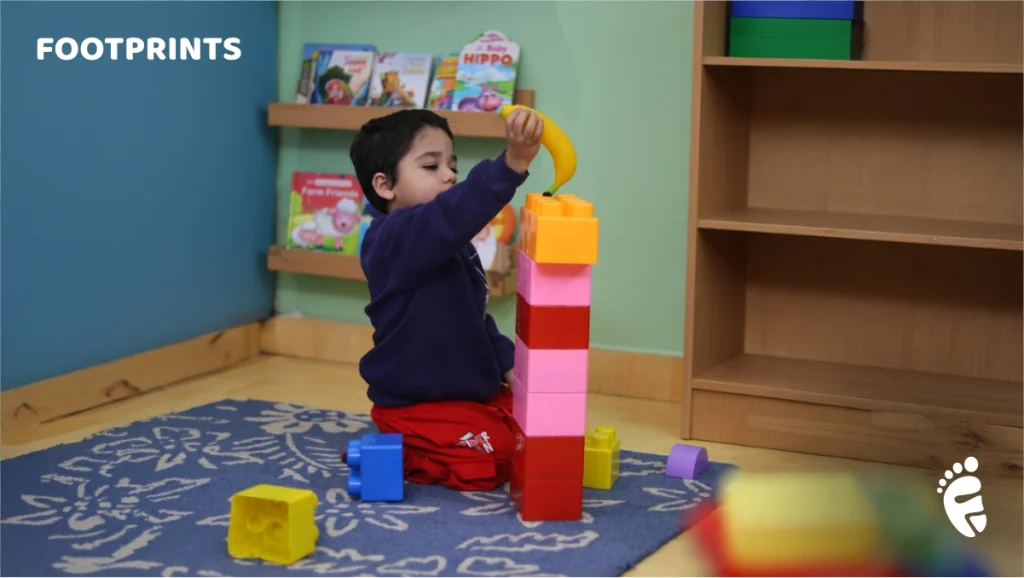
At What Age Preschool Becomes Important
Parents often wonder what the right age for preschool is. While age is an important factor, what also matters equally is child readiness and emotional maturity.
Typical Age Range (2–3 Years)
- Many children begin preschool between the ages of 2 and 3, when they are ready to explore the outside world.
- At this stage, play-based learning feels natural and enjoyable.
- They also enjoy interacting with peers and participating in group settings
- Scientifically developed curriculums help in their overall development. This includes cognitive skills, gross and fine motor skills, social skills and more.
Readiness vs. Age
- While age is one determinant, skills such as the ability to follow simple instructions, ability to communicate and more are equally important.
- That said, it is important to remember that some children may be ready earlier, while others may take some time.
- It is important not to get bogged down by comparing the child to other children around. Every child is unique and blossoms in their own time. Of course, if you find any developmental delays, it is best to seek medical advice early.
Emotional Maturity
- What is equally important in making the decision to send the child to preschool is the child’s emotional maturity.
- This includes aspects such as whether or not the child can reasonably manage separation anxiety.
- Whether or not the child is ready for group activities and likes to interact with other children.
Preschool typically begins around 2–3 years, but the best age depends on the child’s developmental readiness and emotional maturity, not just the calendar.
Preschool vs Staying at Home: Key Differences
| Factor | Preschool | Staying at Home |
| Social Skills | Daily peer interaction builds sharing, cooperation, empathy, and confidence. | Limited peer exposure |
| Learning Structure | Structured curriculum introduces literacy, numeracy, and problem-solving. | Flexible |
| Routine | Consistent schedules teach discipline, predictability, and time management | Flexible routines. May lack consistency |
| Interaction | Exposure to diverse peers and trained educators broadens communication. | One-on-one attention from parents |
| Skill Development | Encourages holistic development as well as independence in tasks | Skill development through daily life |
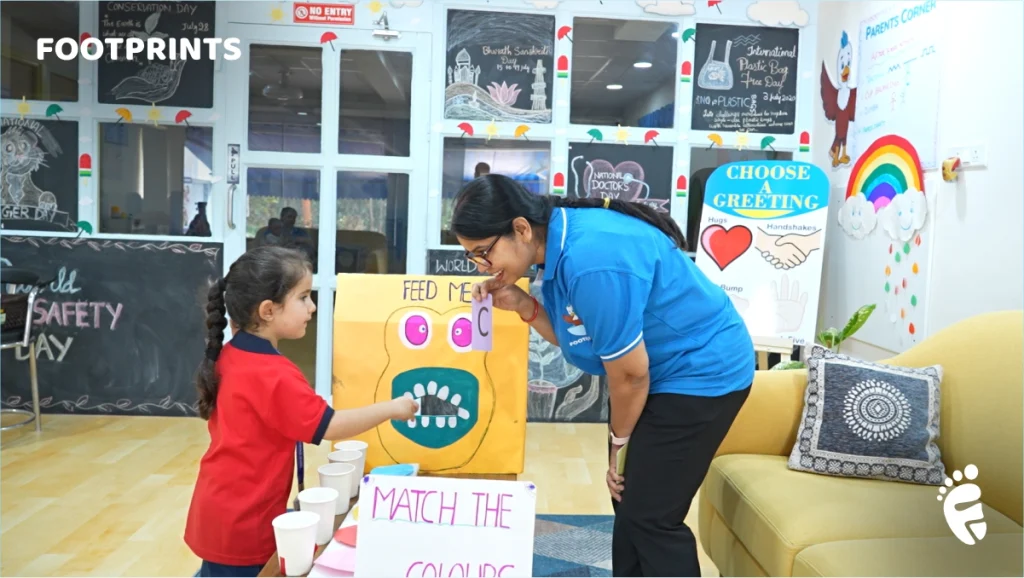
Signs Your Child Is Ready for Preschool
Key signs that parents can look for when deciding to send their child to preschool include:
Developmental Readiness
- Check to see if the child is able to follow simple instructions
- Is the child generally curious to explore the environment?
Emotional Maturity
- Is the child comfortable with short periods of separation?
- Can he or she express basic needs? Can they communicate reasonably?
- Can they manage their emotions reasonably?
Social Skills
- Shows interest in playing with other children
- Practices sharing, even if not fully
- Responds positively to group settings
Practical Independence
- Can handle age-appropriate tasks such as washing hands, keeping the toys in the right place
- Is toilet-trained
If your child is between 2-3 years old and is showing the above signs, he or she may be ready for preschool and the experience of preschool could add to the child’s overall development.
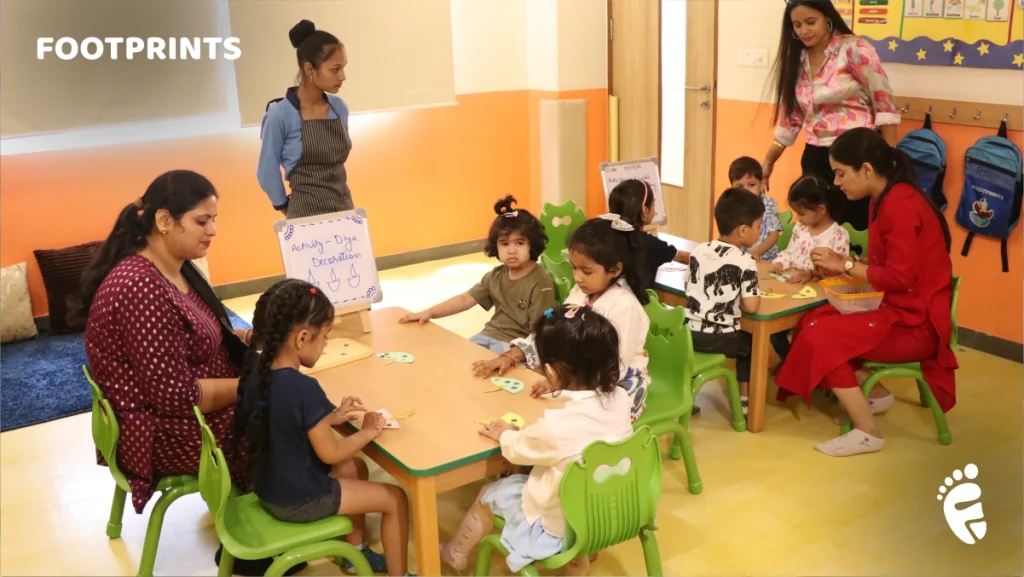
Frequently Asked Questions
1. Is preschool necessary for a 3-year-old child?
Preschool is not mandatory, but beneficial for a 3 year old. While many children thrive at home with attentive parents, preschool can provide structured learning, social interaction, and independence-building.
2. Can a child skip preschool and still succeed?
Yes. Success depends on the child’s environment and support. A nurturing home with play, reading, and social exposure can prepare children well for school. Preschool offers an additional, important pathway.
3. What are the benefits of preschool education?
Preschool supports early literacy, numeracy, routine, peer interaction, and emotional regulation. It helps children build confidence, independence, and readiness for formal schooling.
4. Is staying at home better than preschool?
It depends on the family circumstances as well as the child’s personality. While some children benefit from home-based set-ups, several benefit from the structured learning environment and socialization opportunities offered by a preschool.
5. What age is best to start preschool?
Most children begin between 2-3 years, but readiness matters more than age. Emotional maturity, ability to follow instructions, and comfort with short separations are key indicators of child readiness.
6. Does preschool affect brain development?
Yes, positively. Early experiences shape brain connections. Preschool adds structured stimulation, peer learning, and guided activities that can strengthen growth.
To Sum Up
Sending a child to preschool is ultimately a personal decision that is shaped by family circumstances, cultural values, and the child’s personality. While preschool is not mandatory, it does provide an important pathway that supports holistic growth, especially in areas such as social skills, structured learning, and independence. It also plays an important role in having the child school-ready.
At Footprints Play School, we go beyond traditional methods by following the scientifically developed HighScope curriculum. This approach emphasizes active learning, where children explore, experiment, and make choices in a guided environment. The focus is on channeling curiosity, helping children ask questions, discover answers, and build confidence in their abilities. By nurturing curiosity and independence, Footprints ensures that children do not just prepare for school, instead they become lifelong learners, equipped with the skills and mindset to thrive in an ever-changing world.

Mirza Usman Habib is a senior early education content specialist with over 8 years dedicated to researching, writing, and explaining early childhood education for Indian parents. At Footprints Childcare, he has authored over 100 articles spanning child development milestones, preschool admission processes, teaching methodology comparisons (HighScope vs Montessori vs Playway), infant daycare selection, and the science of early brain development.
Usman’s approach is research-first: each article synthesises findings from leading authorities in early childhood education — including the HighScope Foundation, UNICEF, and the American Academy of Pediatrics — and translates them into practical, accessible guidance for working parents across India’s 30+ major cities.
His writing covers preschool selection guides, child safety checklists, developmental milestone trackers, and parent preparation guides for school admission. All child development content is reviewed by Amita Bhardwaj, Chief Delivery Officer and HighScope-certified trainer at Footprints Childcare.
 View Fees
  Call Us