

When it comes to choosing the preschool for your child, you want to find the right environment and methodology that matches your philosophy as also the child’s learning style and personality. Choosing the right preschool teaching method matters as it lays down the foundation for their long-term development.
Preschool education in India offers a wide range of methods, of which the Montessori and Play-way methods of learning are popular. If you are also in the midst of researching these methodologies, here is help.
What Are Preschool Teaching Methods?
Early childhood education includes a variety of teaching approaches. These include Montessori, Play-way, the Reggio Emilia approach, Waldorf education and more. Of these Montessori and play-way are the two most popular approaches that represent two different philosophies when it comes to early education.
What Is the Montessori Method of Learning?
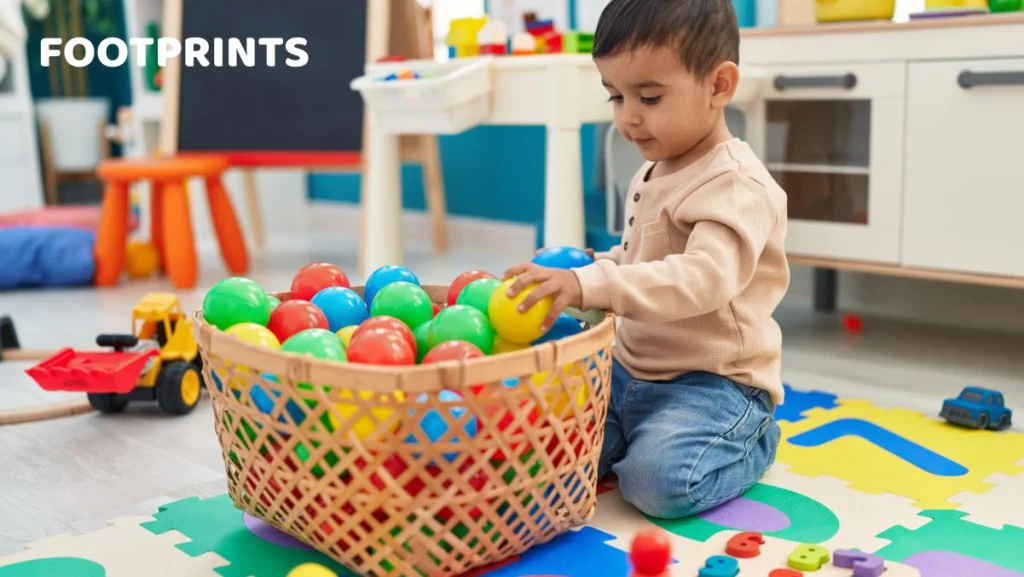
A child-centred educational approach developed by Dr Maria Montessori, it is based on self-directed activity, hands-on learning and collaborative play.
The core principles of this method include:
- Respect for the child: A basic principle of this method is the fact that every child is capable, curious and deserving of autonomy.
- Independence: Children are encouraged to carry out activities independently.
- Learning spaces: The environment is carefully designed to support exploration.
- Hands-on learning: The emphasis is on using specialized material to ensure hands-on learning.
- Mixed age classrooms- They encourage peer learning and collaboration
- Intrinsic motivation: The emphasis is on joy of learning rather than external rewards
In terms of the learning environment, the key hallmarks are:
- Child-centered design
- Accessibility of material to promote independence
- Calm and focused atmosphere
- Specialized material including unique tools such as number rods that help in learning concepts.
The role of teachers in this method includes:
- Teachers observe and support the child’s learning instead of delivering instructions
- They encourage children to solve problems on their own
- They demonstrate patience, empathy and respect, setting the tone of the classroom.
- They connect the child to the environment
What Is the Play-Way Method of Teaching?
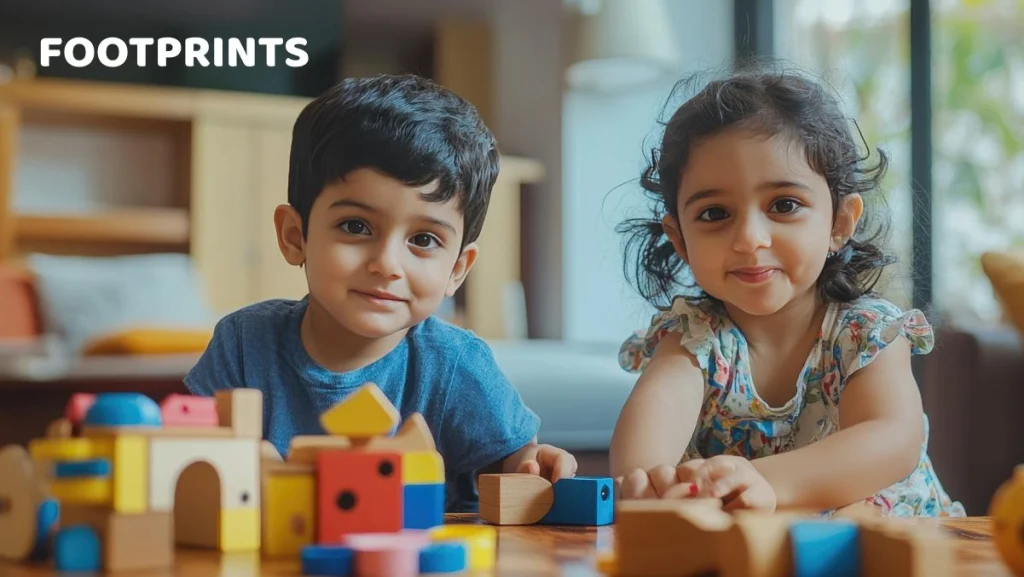
As its name suggests, it emphasizes learning through play. Instead of rigid lessons, the emphasis is on activities like role play, storytelling, art, music and more to make learning joyful and engaging. Children are encouraged to explore freely and follow their interests with teachers acting as facilitators.
Learning through play concept
- Play is the very foundation of this method of learning.
- It nurtures cognitive, social, emotional and physical growth
- Children grasp concepts through direct experience
- Learning is a joyful engagement that fosters a positive attitude towards education.
Activities and engagement
Some of the activities that are central to this approach include:
- Role play and dramatization
- Games and puzzles
- Music, dance and art
- Storytelling and puppetry
- Outdoor play
Child-led learning approach
Overall, the learning approach is child-led. This includes:
- Children selecting activities based on their interests
- While teachers offer opportunities, children decide how to engage with them
- Children are active participants in their learning journey
- Peer interaction plays an important role.
Montessori vs Play-Way Learning: Key Differences
The Montessori method offers a structured learning framework where children work independently with carefully designed materials in a calm, orderly classroom. Teachers act as guides, observing and introducing activities when a child is ready, with a strong focus on building concentration, independence, and practical life skills.
By contrast, the play-way method emphasizes free-flowing, activity-based learning through play, games, and creative expression. Teachers are more participatory, engaging directly in storytelling, role-play, and group activities, while classrooms are flexible, lively, and designed to spark imagination.
Montessori prioritizes cognitive and self-management skills, whereas Playway nurtures creativity, social interaction, and emotional development. Each approach is therefore distinct in how it shapes a child’s early growth.
| Aspect | Montessori Method | Play-Way Method |
| Learning approach | Structured, self-directed | Play-based and activity-driven |
| Role of teacher | Guide and observer | Facilitator and participant |
| Learning pace | Individual, child-paced | Group-oriented, flexible |
| Classroom environment | Calm, organised | Interactive and energetic |
| Skill focus | Independence, concentration | Creativity, social skills |
| Best suited for | Children who enjoy structure | Children who learn through play |
Benefits of Montessori Learning for Preschool Children
Montessori schools help children develop independence, focus, and self-discipline by allowing them to learn at their own pace in a structured environment. The use of hands-on materials builds strong cognitive foundations, while mixed-age classrooms encourage collaboration and peer mentoring. With teachers acting as guides rather than instructors, children gain confidence in problem-solving, practical life skills, and decision-making.
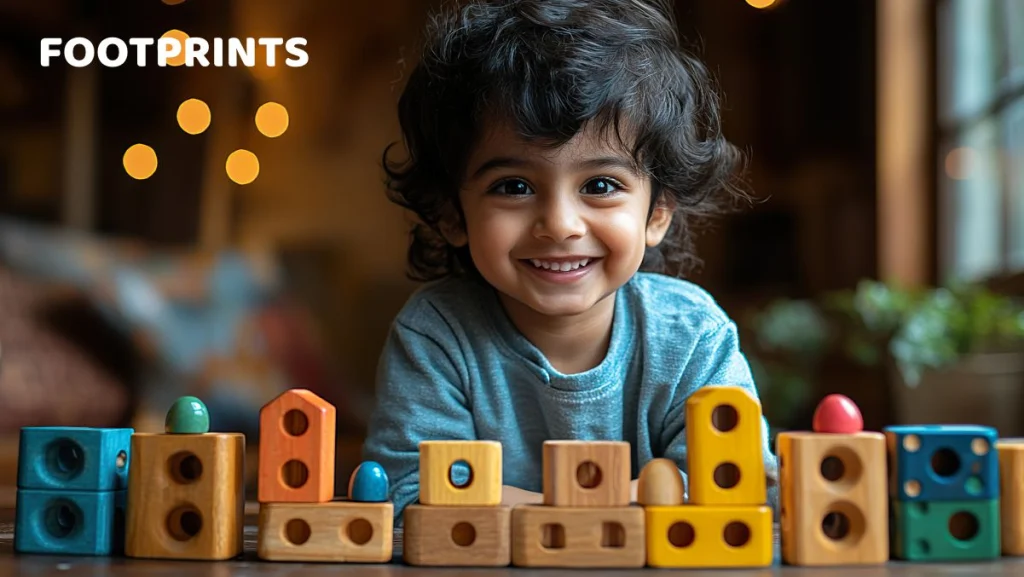
Benefits of Play-Way Learning for Preschool Children
Playway learning in preschool nurtures creativity, imagination, and emotional intelligence by making play the central medium of learning. Through activities like role-play, storytelling, sensory play, social play, art, and group games, children develop social skills, communication, and teamwork. The child-led approach ensures that learning feels joyful and stress-free, fostering curiosity and adaptability. This method is especially effective in building confidence, empathy, and resilience, as children learn naturally through exploration and shared experiences.
Which Preschool Teaching Method Is Right for Your Child?
As detailed above, when it comes to Montessori versus Playway learning, each approach is distinct. Parents need to make the choice of approach carefully after considering the child’s personality and learning style.
Frequently Asked Questions About Preschool Teaching Methods
1. Is play-based learning the same as Montessori?
No. The two approaches are different. While Montessori uses structured, self-directed activities with specialized materials, play-based learning emphasizes free exploration, creativity, and social interaction through play.
2. Can Play-Way prepare children for school?
Yes. It builds confidence, communication, social skills and more that are pre-requisites for school readiness.
3. What is the main aim of Montessori?
The main aim is to foster independence, concentration, and self-discipline. It helps children become confident learners who can think and act for themselves.
4. Are these methods followed in Indian preschools?
Yes. Indian preschools follow these methods. Some also blend elements of both.
4. Does Play-Way learning help in academic readiness?
Yes. It builds foundational skills like problem-solving, language, and social cooperation, which support later academic success.
5. What are the various teaching methods in preschool?
Common methods include Montessori, Play-Way, Reggio Emilia, Waldorf, and thematic or activity-based approaches.
To Sum Up
While Montessori and play-way are two distinct approaches to education, the final goal of both is to ensure that the child develops foundational skills and can thrive. The key lies in evaluating the right fit for the child.
At Footprints Preschool, we focus on the holistic development of the child. The emphasis is on children exploring, experimenting, and understanding concepts in a stress-free environment.

Mirza Usman Habib is a senior early education content specialist with over 8 years dedicated to researching, writing, and explaining early childhood education for Indian parents. At Footprints Childcare, he has authored over 100 articles spanning child development milestones, preschool admission processes, teaching methodology comparisons (HighScope vs Montessori vs Playway), infant daycare selection, and the science of early brain development.
Usman’s approach is research-first: each article synthesises findings from leading authorities in early childhood education — including the HighScope Foundation, UNICEF, and the American Academy of Pediatrics — and translates them into practical, accessible guidance for working parents across India’s 30+ major cities.
His writing covers preschool selection guides, child safety checklists, developmental milestone trackers, and parent preparation guides for school admission. All child development content is reviewed by Amita Bhardwaj, Chief Delivery Officer and HighScope-certified trainer at Footprints Childcare.
 View Fees
  Call Us