


Think of monsoons, and you tend to think of rain showers, playing in puddles of water, delicious food, rain songs, and a lot more. Yet, monsoons also bring in their wake a number of rainy season diseases.
Awareness of these common types of monsoon illness, how they spread, their symptoms, and preventive measures can go a long way in safeguarding the health of our little ones.
This monsoon health guide for children answers all your questions. It will come in handy for parents as well as for caregivers who run a daycare.
Mosquito Borne Diseases in Monsoon
The WHO explains that vector-borne diseases spread fastest in warm, humid conditions with standing water, which is exactly what monsoon creates.
Here is a look at the common mosquito borne diseases, their symptoms and preventive measures.
1. Dengue
Dengue is a mosquito-borne disease that is capable of causing severe illness. Its symptoms include high fever, pain in joints, rashes, and in severe cases, bleeding.
Preventive measures include not allowing stagnant water so as to prevent mosquitoes from breeding. Using mosquito repellents & wearing clothes that cover the body are also handy measures.
The disease is known to cause platelet counts to fall. The key is to monitor the platelet count closely. The complications associated with dengue fever usually appear between the third and fifth day of illness. Therefore, it is important to watch for any symptoms even after the fever abates. The good news is that dengue is generally mild in children.
See a paediatrician if fever persists beyond 2–3 days or the child shows bleeding gums, nosebleeds or unusual bleeding.
Here is a deep dive into dengue symptoms and prevention in children.
2. Malaria
Another monsoon disease that is mosquito-borne is Malaria. Classic Malaria symptoms in children include a repeated cycle of fever and chills. Children often experience sudden cold shivers followed by high fever and sweating, which can recur every 24–72 hours. This pattern distinguishes malaria from many other monsoon fevers.
Prevention of Malaria revolves around preventing mosquito bites. Use of repellents and bed nets is advisable. It is prudent to wear clothes that fully cover the body.
See a paediatrician if fever with chills persists beyond 2 days.
3. Chikungunya
Chikungunya is a viral disease spread by Aedes mosquitoes, the same type that spreads dengue. The most distinctive Chikungunya symptom is severe joint pain. It often occurs in the hands, wrists, ankles, or knees, which can make simple movements difficult. Children may also experience high fever, rash, headache as well as extreme tiredness. Recovery usually takes about 1–2 weeks, though joint pain can linger longer.
Prevention of the disease is key. Mosquito control measures like repellents, bed nets, and covering the body with clothing are the best way to protect children during the monsoon season.
See the pediatrician if the child has severe or persistent joint pain or if the fever lasts more than three days. Doctors usually recommend rest, fluids, and medicines to ease fever and pain.
Water and Food Borne Diseases in Monsoon
Monsoon is accompanied by a host of food and water borne diseases. In fact,
WHO‘s guidance on drinking water notes that contaminated water is one of the leading causes of preventable childhood illness, and simple measures like boiling make a real difference.
4. Typhoid Fever
Typhoid is caused by the bacterium Salmonella Typhi and spreads through unsafe food and water. One of the distinctive typhoid symptoms in children is a slow, rising fever pattern. Alongside this, children may show loss of appetite, weakness, experience stomach pain, or diarrhoea/constipation.
The first line of defence against Typhoid is vaccination. Parents should also ensure children drink safe, boiled or filtered water and eat well‑cooked food.
See a paediatrician if the child has a fever lasting more than 3 days, refuses food or water and looks unusually weak.
5. Gastroenteritis
Gastroenteritis is a stomach infection caused by viruses or bacteria that thrive in contaminated food, water, or on surfaces. Young children are especially vulnerable to the disease as they touch surfaces often and may not follow adequate hand hygiene.
The illness is marked by vomiting, diarrhea, and abdominal pain, which can quickly lead to dehydration and weakness. Parents should ensure children drink boiled or filtered water, avoid food kept in the open, and wash their hands regularly.
See a paediatrician if your child has repeated vomiting or watery stools, shows signs of dehydration or if fever persists or abdominal pain worsens.
6. Cholera
It is caused by bacteria that thrive in contaminated water and food. The disease is marked by sudden, severe bouts of watery diarrhea, often accompanied by vomiting.
Prevention of the disease is critical. It is important that children drink boiled or filtered water and eat well-cooked food. Additionally they need to practice strict hand hygiene. Vaccination is an important line of defence especially in areas that are prone to outbreaks.
See a paediatrician if your child has repeated watery stools or vomiting or if there are signs of dehydration.
7. Hepatitis A
Hepatitis A is a water‑borne viral disease that is known to attack the liver. The virus spreads through unclean food and water, and also via flies that move from infected stool to exposed food.
Symptoms in children often include stomach ache, vomiting, diarrhea, loss of appetite, and jaundice. It is important that children drink boiled or filtered water and eat well-cooked food. It is prudent to be vaccinated against the disease.
See a paediatrician if the child shows yellowing of eyes or skin or has persistent vomiting or diarrhea.
Contact and Air Borne Infections in Monsoon
8. Viral Fever
Monsoons often bring viral fevers in children caused by different strains of viruses. Typical symptoms include fever, body aches, sore throat, and fatigue. Building a child’s immunity through healthy food and rest, as well as hydration, is important. Simple home care like gargling with warm, salty water can help ease a sore throat.
See a paediatrician if the fever lasts for more than 3 days or if there is persistent sore throat or breathing difficulty.
9. Respiratory infections
Monsoon season often triggers respiratory infections in children. Common symptoms include cough, runny nose, sore throat, fever, and sometimes difficulty in breathing. These illnesses spread easily in crowded or damp environments.
It is important that children cover their mouth and nose while coughing or sneezing. You also need to encourage frequent washing of hands.
See a paediatrician if the fever lasts for more than 3 days or if breathing becomes laboured or noisy.
10. Conjunctivitis
Conjunctivitis, commonly called pink eye, is marked by redness, itching, watering, as well as a sticky discharge from the eyes. Conjunctivitis in children spreads very quickly, especially in classrooms where children share toys or touch surfaces.
Children need to be taught to wash their hands often and avoid rubbing their eyes. Good eye and hand hygiene reduces spread of the disease.
See a paediatrician if the child has severe redness or swelling and pain in the eyes.
11. Fungal infections
The rainy season also sees a rise in fungal infections such as ringworm and athlete’s foot, which thrive in damp conditions. These infections can cause itchy, red rashes on the skin.
It is important for children to maintain good hygiene. They need to keep their skin clean and dry, especially after bathing or sweating.
See a paediatrician if the rash spreads quickly or if itching becomes severe.
Quick Comparison: Symptoms and Prevention at a Glance
| Disease | Spread By | Key Signs to Watch | Main Prevention |
| Dengue | Mosquito (daytime) | High fever, pain behind eyes, rash, low platelets | No stagnant water, covered clothing, repellents |
| Malaria | Mosquito (night) | Fever with chills, sweating cycle, body aches | Nets, repellents, covered clothing |
| Chikungunya | Mosquito | Severe joint pain, high fever, rash, fatigue | Mosquito control measures |
| Typhoid | Food and water | Slow rising fever, appetite loss, stomach pain | Vaccination, boiled water, cooked food |
| Gastroenteritis | Food, water, surfaces | Vomiting, loose motions, stomach pain, dehydration | Hand washing, boiled water, avoid open food |
| Cholera | Contaminated food & water | Sudden watery diarrhea, vomiting, exhaustion | Boiled water, cooked food, strict hygiene, vaccination |
| Hepatitis A | Contaminated food & water, flies | Stomach ache, vomiting, jaundice, appetite loss | Vaccination, boiled water, cooked food, hygiene |
| Viral Fever | Air and contact | Fever, sore throat, body aches, fatigue | Distance from unwell people, hygiene, rest |
| Respiratory Infections | Air and contact | Cough, runny nose, sore throat, fever, breathing difficulty | Respiratory hygiene, handwashing, ventilation |
| Conjunctivitis | Contact | Red itchy eyes, sticky discharge | Eye and hand hygiene, avoid sharing towels |
| Fungal Infections | Damp skin, contact | Itchy red rashes (ringworm, athlete’s foot) | Keep skin clean and dry, avoid sharing clothes/towels |
Frequently Asked Questions
1. Which monsoon disease is most common in children?
Paediatricians often see viral fevers and gastroenteritis most frequently during monsoon. These spread quickly in schools and homes through air, contact, or contaminated food as well as water. Good hygiene and safe drinking water are the best protection.
2. How do I tell dengue apart from chikungunya or viral fever?
Only a doctor can confirm with tests, but dengue often lowers platelet counts and may cause bleeding. Chikungunya, on the other hand, is marked by severe joint pain. Viral fevers are usually accompanied by sore throat and body aches. It is important that you seek medical care for any high fever.
3. When should a monsoon fever take us to the doctor?
If the fever lasts more than 3 days, if your child refuses food or fluids, if they show unusual weakness, or if they have breathing difficulty. Early consultation prevents complications.
HealthyChildren, the parenting site of the American Academy of Pediatrics, offers clear guidance on when a child’s fever needs medical attention.”
4. Can my child go to preschool during monsoon?
Yes, but only if they are healthy. Children with conjunctivitis, viral fever, or diarrhea should stay home until their symptoms improve. Paediatricians recommend rest and recovery before returning to group settings.
To Sum Up
All of this is not to keep you from enjoying this otherwise beautiful season. All you need to do is follow some precautions to ensure that you can make the most of the season. To reiterate, the answer to how we can prevent common monsoon diseases lies in basic precautions, namely:
- Ensure you do not allow stagnant water to accumulate
- Make the child wear clothes that cover the body
- Use mosquito repellents
- Ensure you practice good hygiene
- Ensure that the child has well-cooked food
- Give the child boiled water, as far as possible
- Make sure they do not come in contact with infected individuals as far as possible
- Do follow the child’s vaccination schedule religiously
Here are detailed monsoon protection tips for toddlers.
Do remember, however, that sometimes, despite your best efforts, the child could contract any of these monsoon diseases. Do not beat yourself up. Instead, take medical advice and follow it carefully. While it is devastating for a parent to see the child suffer, the right medical treatment can see your child healthy and smiling again.
For more such informative content keep watching this space. At Footprints Preschool, we are committed to the well-being of children.
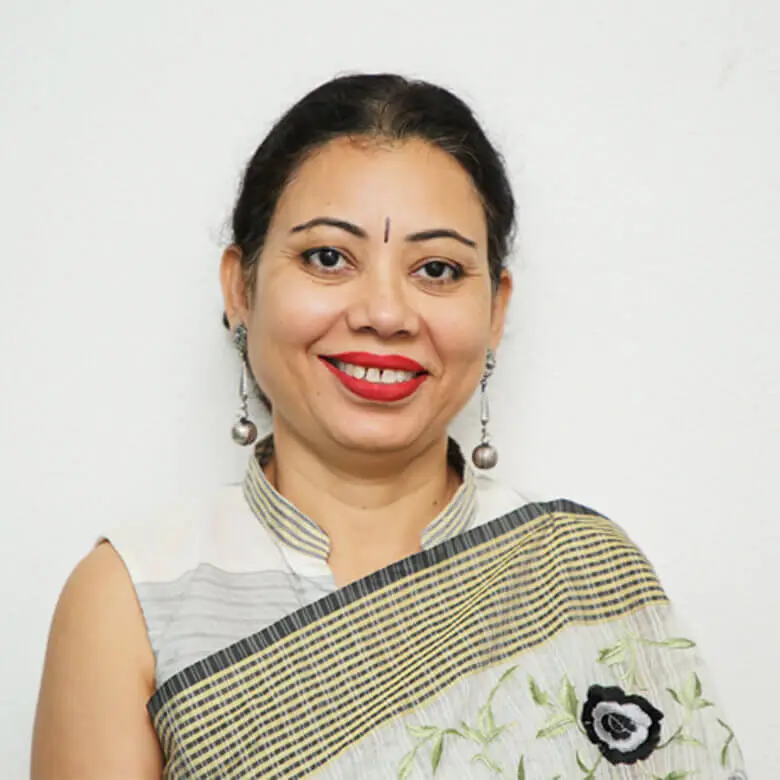
Amita Bhardwaj is one of India’s few certified HighScope curriculum trainers, trained and certified by the US-based HighScope Educational Research Foundation — the same framework underpinning over 50,000 preschools across 20+ countries. As Chief Delivery Officer at Footprints Childcare, she has spent the last decade architecting the curriculum and learning outcomes across 230+ centres serving 60,000+ children across India.
With over 30 years in early childhood education, Amita has worked across infant care, toddler development, preschool pedagogy, and educator training. She is also a certified course leader at Landmark Education, the world’s largest personal development organisation, which informs her approach to child-centred learning and growth.
Amita writes on child development milestones, early brain development, age-appropriate activities, infant safety, and curriculum best practices. All parenting content published under the Footprints Childcare blog is reviewed and approved by her before publication.
 View Fees
 Call Us