

While the importance of early childhood education has been proven without doubt, parents often wonder what children learn in preschool. What is implied in the question is also whether or not children can learn the same things at home. It is important to understand that preschool learning is not about academics alone. While you can teach the child poems at home or familiarise them with the alphabet, preschool teaches them a whole lot of skills through a multitude of activities. Besides, when children work alongside their peers, they also learn socialisation skills that are imperative for their development.
A well-designed, scientific preschool curriculum can go a long way in ensuring the child’s holistic development.
Why Learning in Preschool Is Important
Before we get to the key skills children learn in preschool, it is important to understand the scientific fact that over 90% of the child’s brain develops by the time he is 5 years of age. More than 1 million new neural connections are formed every second in these early years. It is this crucial period that shapes future learning and behaviour. Nurturing relationships, exploration, and sensory experiences at this time are vital for the child’s long-term growth. A preschool offers a supportive environment which offers opportunities to develop key skills.
Key Skills Children Learn In Preschool
Preschool exposes children to a whole range of possibilities. Some of the areas that develop during this phase include:
1. Language and Communication Skills
One of the things that shows rapid growth in the child’s early years is vocabulary. While a child begins with mouthing a few words — typically “mama” and “papa” — he goes on to learn as many as 10,000 words by age five. The key to this development is exposure to language and conversation. This is a task that a preschool does well. At preschool, children are exposed to reading, singing, daily conversation, intentional play and more. This lays the foundation for not only learning new words but also for strong communication skills.
Examples: Singing rhymes, participating in story sessions, and discussions help children express themselves clearly and confidently.
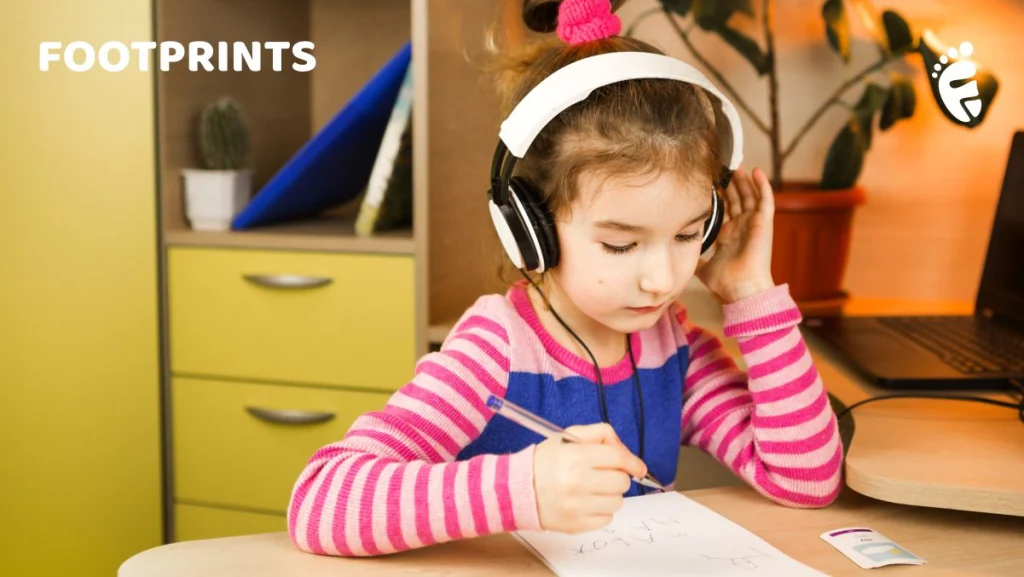
2. Early Math and Cognitive Skills
By the time children head to playschool, they also begin to sharpen their cognitive abilities. Carefully designed interactive activities at preschool help them grasp the basics of numbers, shapes and patterns. Not only do they begin to identify them in their daily environments, they also start noticing patterns. All of this goes a long way in building their ability to analyze, compare and make sense of the world around them
Examples: Counting games, puzzles, and shape-sorting activities make early math fun and interactive.
3. Motor Skills Development
Growing children need to strengthen both their fine motor skills (small muscle control) and gross motor skills (large muscle movement). These go a long way in supporting their physical growth while also preparing children for undertaking day-to-day tasks effectively.
Examples: Drawing, clay modelling, and threading beads refine fine motor skills, while running, jumping, and outdoor play strengthen gross motor skills.
4. Social and Emotional Skills
Since this is also the time when children start developing emotional and social skills, the foundation of teaching them to share, work in teams, and manage their own feelings needs to be built early. At preschool children learn many aspects, such as waiting their turn, sharing belongings, listening to peers, and more, as a matter of routine. In turn, these skills help them build empathy, cooperation and resilience. These are aspects that go on to shape how they interact with others throughout life.
Examples: Group play, classroom routines, and collaborative projects encourage children to build friendships and understand others’ feelings.
5. Creativity and Imagination
A preschool is a vibrant space that can nurture the child’s creativity and imagination. Through activities such as art, music, dance and more, children learn to express themselves freely. Not just that, it also helps them develop confidence in their unique abilities. Needless to mention that all of this goes a long way in not just sparking joy but also strengthening problem-solving and emotional expression in later life.
Examples: Painting, singing, dancing, and role-play activities allow children to explore ideas and bring their imagination to life.
| Learning Area | Examples of Activities |
| Language | Storytelling, Rhymes |
| Math | Counting Games, Puzzles |
| Motor Skills | Drawing, Clay Modelling |
| Social Skills | Group Play, Sharing |
| Creativity | Art, Music, Pretend Play |
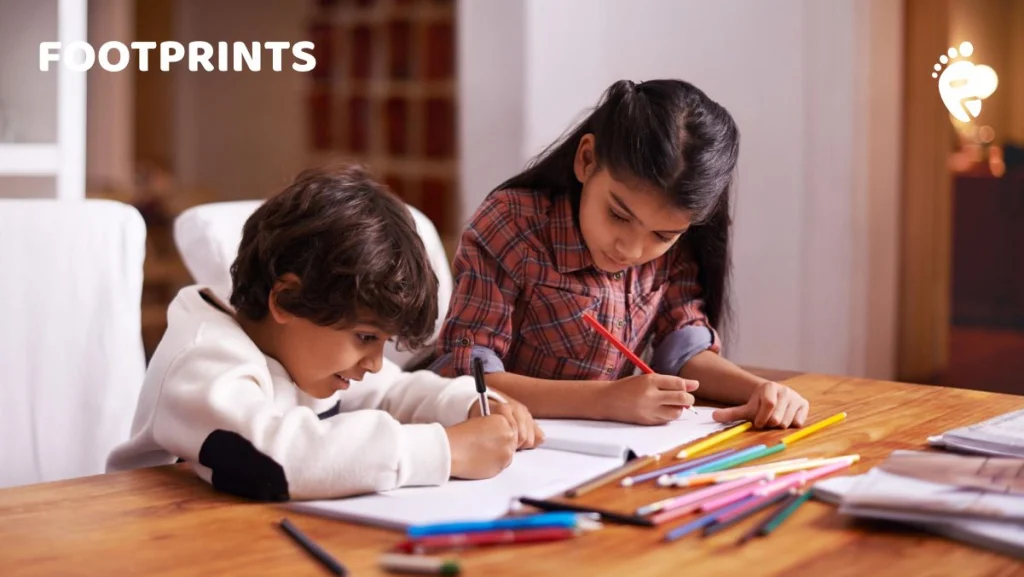
How Preschools Teach These Skills
Preschools create joyful environments where children learn these skills naturally through everyday experiences. Experienced educators tend to make skill-building fun and meaningful through:
- Play-Based Learning
Children learn naturally through play. Activities such as building blocks, solving puzzles, pretend play and more not only bring joy; they also help children explore concepts while developing creativity and problem-solving skills.
- Interactive Activities
A whole host of interactive activities such as storytelling circles, puzzles, art projects, and group games encourage children to participate actively, practice communication, and build confidence in expressing ideas.
- Structured Classroom Routines
A structured routine goes a long way in offering stability and predictability to children. Young children thrive in such environments since it helps reduce anxiety as well as helps them manage emotions. Structured classroom routines such as morning greetings, fixed meal times, circle time and more help children feel secure. Additionally, it also helps inculcate a sense of discipline in them, which is a lifelong asset.
Signs Your Child Is Learning Well in Preschool
As children settle into preschool, their growth shows up in everyday behaviours. Several simple yet powerful signs can assure parents that their wards are taking to their learning journeys well. These include:
1. Curiosity
A child who is actively learning will tend to ask questions, explore new activities and overall show excitement about discovering new things. If the child is learning about the planet Earth in school, for instance, be sure that he will have myriad questions about how the Earth rotates and revolves. Similarly, you can expect questions around community helpers when the child is being taught about people who work towards making our lives comfortable.
The sooner the child falls in love with learning, the more confident you can be of him remaining an active learner throughout life.
2. Communication Improvement
Expanding vocabulary, clearer speech, and the ability to share thoughts or retell stories are all signs of growing language and communication skills. You will be able to tell the difference as the child narrates the day’s happenings or speaks to you about the friends he has made.
3. Social Interaction
Willingness to play with peers, share toys, and participate in group activities shows progress in social and emotional development. The next time you head out to a park or a playdate, you may notice the child eager to participate.
Frequently Asked Questions
1. Do preschool children learn reading and writing?
The primary focus in preschool is on pre-literacy skills rather than formal reading and writing. Children learn to recognise letters and enjoy stories, as well as practise early writing through drawing and tracing.
2. Are preschool activities academic?
While preschools introduce the concept of alphabets and numbers, these are activity-based. The emphasis is on curiosity, exploration, and social growth rather than academics in the traditional sense.
3. How do preschools teach numbers and letters?
These are taught through hands-on activities, games and songs. The idea is to make it fun and engaging and for learning to not seem like a chore.
4. What skills should a child learn before kindergarten?
Before kindergarten, children should develop basic communication skills, social interaction, early math and literacy awareness, motor skills, and self-help routines like dressing or following instructions.
5. What do children learn in preschool activities?
Children build language skills, math readiness, socio-emotional understanding and more through experiential learning and play-based activities.
To Sum Up
Preschools aim at the holistic development of the child by focusing on different content areas. The fact that all of this is done in a joyful, stress-free environment makes the learning stick.
At Footprints Preschool we are committed to the all-round development of the child. We follow the scientifically developed HighSCope curriculum, a research-validated, play-based approach for early childhood education centered on “active participatory learning”.

Shubham is an SEO expert dedicated to helping businesses to thrive in a digital landscape. His innovative marketing campaigns have significantly boosted the organization’s reach and engagement.
 View Fees
  Call Us