

Updated: 14-February-2026
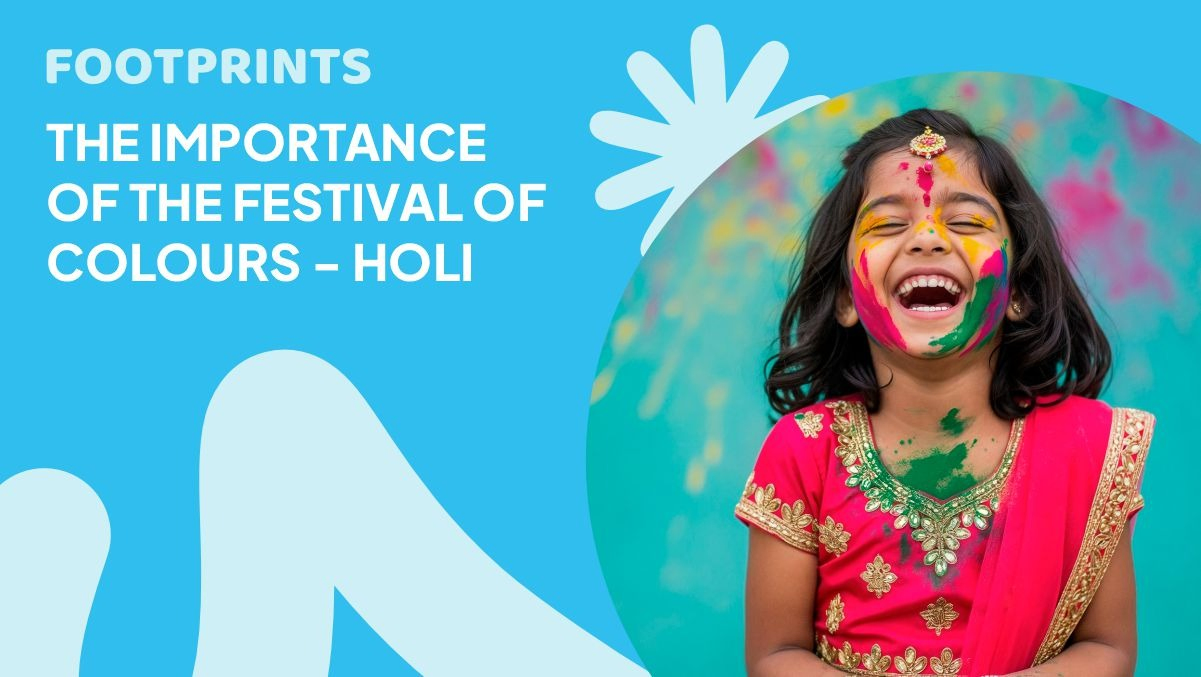
Holi is celebrated in India to mark the Victory of Good over evil, the arrival of spring, and the spirit of unity and Divine Love. Known as the Festival of Colours, Holi brings people together through joy, forgiveness, and celebration. The festival is deeply rooted in Indian mythology and cultural traditions, and understanding its meaning helps children appreciate why we celebrate Holi beyond just colours and festivities.
As families prepare to celebrate Holi in the classroom, it becomes a wonderful opportunity to explain to children the story behind Holi, its history, and the significance of Holi in everyday life.
Why Is Holi Celebrated in India?
Holi is celebrated to honour the triumph of devotion and righteousness over arrogance and evil. It also marks the transition from winter to spring, symbolising renewal, hope, and positivity.
The Holi festival in India is observed in two main parts:
- Holika Dahan (the bonfire ritual)
- Rangwali Holi (the celebration with colours)
Together, these rituals represent purification, new beginnings, and the strengthening of relationships.
How is Holi Celebrated?
The Holi festival in India is celebrated in two main stages:
| Event | Meaning | Celebration Style |
| Holika Dahan | Victory of Good over evil | Bonfire ritual symbolising burning negativity |
| Rangwali Holi | Joy, love, and unity | Playing with colours, water, music, and sweets |
What Is the Story Behind Holi?
The most popular Holi story comes from Hindu mythology.
According to the history of Holi, there once lived a powerful demon king named Hiranyakashipu. He wanted everyone to worship him instead of Lord Vishnu. However, his son Prahlad remained a devoted follower of Vishnu. Enraged, the king attempted to kill his own son multiple times but failed.
He then sought the help of his sister Holika, who had a boon that made her immune to fire. She sat in a blazing fire with Prahlad on her lap, intending to kill him. Miraculously, Prahlad emerged unharmed due to his devotion, while Holika burned in the flames. This event symbolises the Victory of Good over evil and is commemorated every year through Holika Dahan.
Why Is Holi Called the Festival of Colours?
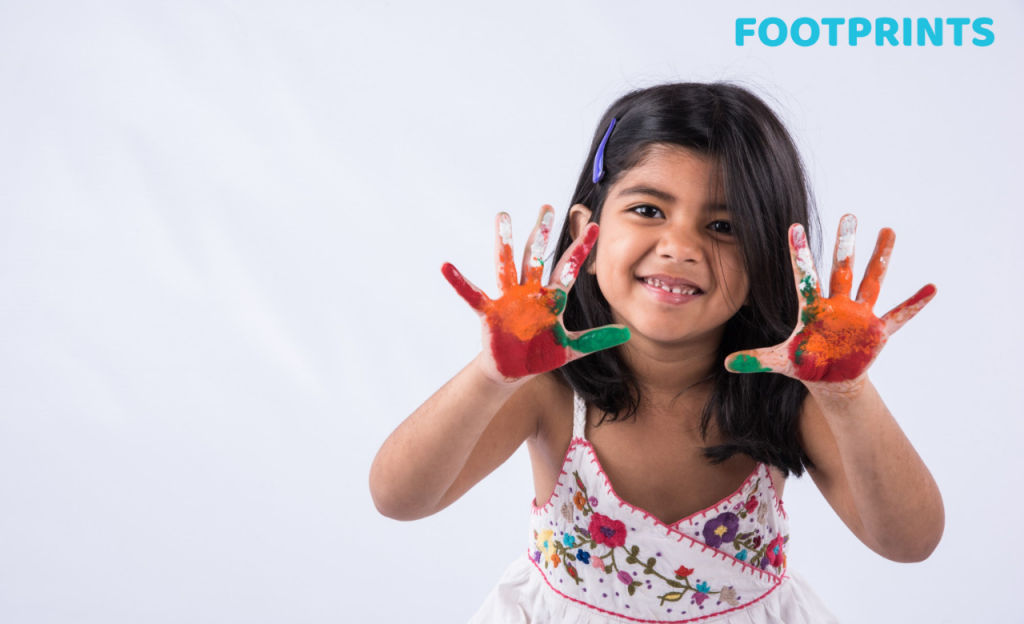
Holi is called the Festival of Colours because of the joyful tradition of applying coloured powders and water on one another. This tradition is linked to the playful story of Radha and Krishna.
Legend says that Lord Krishna, concerned about his dark complexion compared to Radha’s fair skin, playfully applied colours to her face. This act symbolised love, acceptance, and unity. Over time, this playful tradition evolved into the colourful Holi celebration we see today.
The throwing of colours represents joy, equality, and the breaking of social barriers.
The Significance of Holi in Indian Culture
The importance of Holi extends beyond mythology.
1. Celebration of Spring
Holi marks the arrival of spring, when nature blooms and crops are ready for harvest. It is a time of gratitude for farmers and the agricultural cycle.
2. Strengthening Relationships
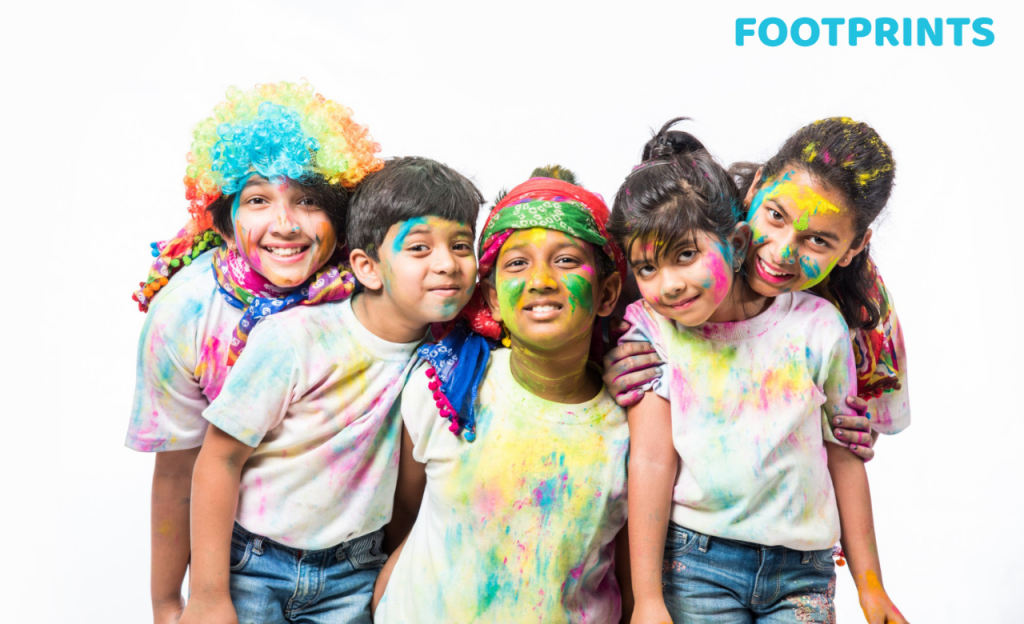
Holi encourages people to forgive past grievances and rebuild bonds. The festival promotes unity, harmony, and social connection.
3. Symbol of Renewal
The Holika bonfire symbolises burning negativity and welcoming positivity into life.
4. Emotional Well-Being
Celebrating Holi with laughter, music, and colours helps boost mental happiness and reduce stress.
History of Holi Across India
While the Prahlad story is widely known, different regions of India celebrate Holi in unique ways.
- In Mathura and Vrindavan, Holi is closely associated with Krishna’s life.
- In parts of South India, stories of Lord Shiva and Kamadeva are remembered.
- In rural regions, traditional songs and community gatherings add to the spirit of the Holi festival in India.
This diversity reflects India’s rich cultural heritage.
How to Celebrate Holi Safely with Children
While Holi is joyful, safety should always be a priority.
- Use organic and skin-friendly colours.
- Avoid forcefully throwing water balloons.
- Teach children about consent and respect.
- Keep eyes and skin protected.
- Encourage mindful use of water.
Holi celebration becomes more meaningful when it is safe and responsible.
Frequently Asked Questions
1. Why do we celebrate Holi?
We celebrate Holi to honour the victory of good over evil, mark the arrival of spring, and celebrate love and unity. It is rooted in mythology and cultural traditions across India.
2. What is the story behind Holi?
The Holi story centres around Prahlad and Holika, symbolising faith and righteousness defeating evil. It is commemorated through the ritual of Holika Dahan.
3. Why is Holi called the Festival of Colours?
Holi is known as the Festival of Colours due to the tradition of applying coloured powders and water, inspired by the playful story of Radha and Krishna.
4. What is the significance of Holi?
The significance of Holi lies in renewal, forgiveness, unity, and gratitude for nature’s cycle. It is both a spiritual and social celebration.
5. How is Holi celebrated in India?
Holi celebration begins with Holika Dahan, followed by Rangwali Holi, where people gather to play with colours, share sweets, and strengthen relationships.
To Sum Up
Holi is more than just a colourful celebration. It represents the triumph of good over evil, the spirit of forgiveness, and the joy of togetherness. By understanding why we celebrate Holi and the deeper meaning behind its traditions, children can appreciate the cultural richness and moral values associated with the festival.
At Footprints Playschool, we believe festivals are powerful teaching moments. Through cultural celebrations and value-based discussions, we help children grow into empathetic and culturally aware individuals who respect traditions while embracing joy.

Purvesh Sharma is a TED speaker, IIT-Delhi alumnus, certified life coach, and Co-Founder of Footprints Childcare — India’s safest preschool and daycare chain operating multiple centres across 30+ cities. He co-founded Footprints after recognising a fundamental gap: working parents in India needed a childcare option that combined genuine safety, research-backed curriculum, and real-time parent connectivity.
A certified life coach with deep exposure to behavioural science and developmental psychology, Purvesh leads parenting workshops and engagement programmes across Footprints centres — directly engaging with tens of thousands of Indian parents on the challenges of raising young children in urban India. As a parent himself, he brings lived experience to every piece he writes on child behaviour, tantrums, discipline, habit formation, and school readiness.
His writing is grounded in both the science of early childhood development and the real, daily decisions Indian parents face.
 View Fees
  Call Us