

The choice of the preschool curriculum is one of the most important early decisions you can take which impacts the long-term well-being of the child. There are a wide range of curriculums that are in use. These include Montessori, HighScope, play-based and more. Parents are often confused about what parameters to use when it comes to understanding and evaluating preschool curriculum. Here is a quick overview of the various parameters that you need to consider to ensure that your evaluation is thorough.
Why Evaluating a Preschool Curriculum Is Important
Evaluating a preschool curriculum is crucial because it has a direct impact on a child’s early learning experiences and social development. It lays the foundation for how the child develops various skills – be they language, social interaction or more. Chosen correctly, it can impact the child’s relationship with learning that will stand him or her in good stead throughout life. A well-developed curriculum will foster curiosity in children and turn them into learners for life.
What Should Parents Look for in a Preschool Curriculum?
While evaluating the preschool curriculum, there are a whole lot of factors to keep in mind. Let us look at each of them in some detail:
Learning Approach and Teaching Methods
The foremost thing to consider is, of course, the learning approach. Different preschools follow different approaches – Montessori, HighScope, play-based and others.
In evaluating each approach, it is important that you look for whether or not:
- There is a balance between structured learning and child-led exploration
- The learning method encourages curiosity, creativity and independence that are markers for overall success in life.
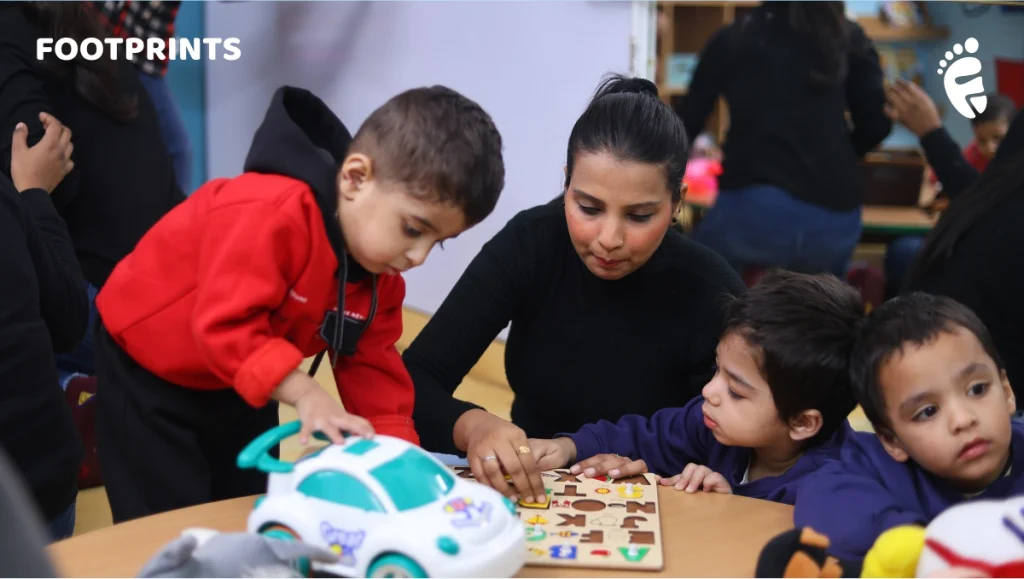
- The method integrates hands-on activities into daily routines.
Age-Appropriate Learning Goals
It is important that the goals should match the developmental stage of preschoolers. The focus needs to be on building foundational skills, including but not limited to motor coordination, language and social interaction. You could also check to see if the milestones are realistic and flexible and take into account the unique needs of each child.
Variety of Learning Activities
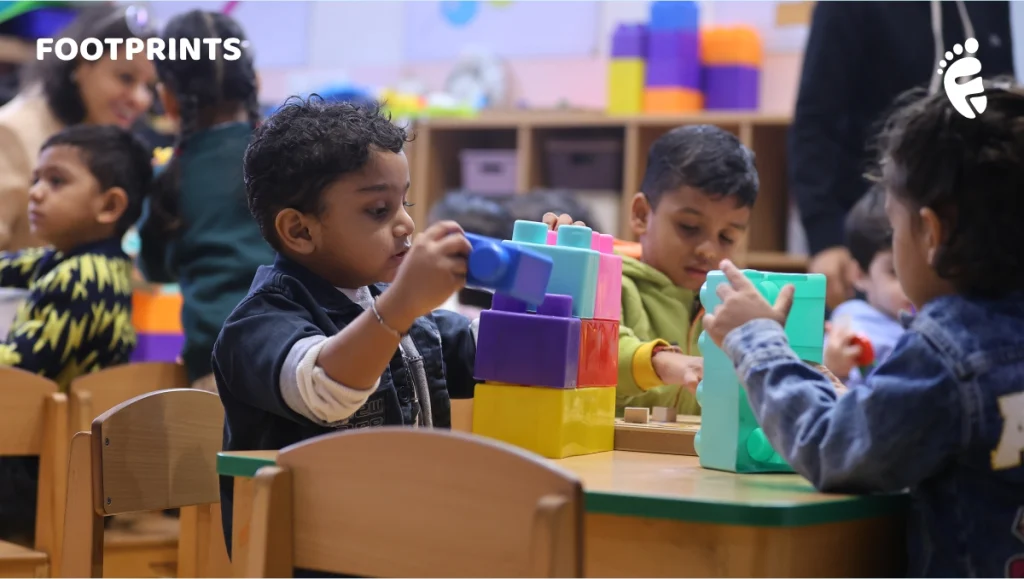
A strong curriculum needs to offer a whole range of activities such as art, music, storytelling, outdoor play and more. These activities should cover multiple domains such as cognitive, social, and emotional as well as physical. A range of activities also means greater exposure to children to discover their interests. What a wide range of activities also ensures is that children remain engaged.
Teacher-Child Interaction
Teachers need to act as facilitators to children and guide exploration as opposed to simply instructing them. It is through this positive interaction that children build confidence and emotional security. Ensure, therefore, to see whether the curriculum believes in the active participation of the child or whether it is instruction-led.
Focus on Overall Development
Above everything, the curriculum’s focus needs to be holistic. Some of the areas to look for include the following:
• Social skills (sharing, cooperation)
• Emotional growth (self-regulation, empathy)
• Physical development (fine and gross motor skills)
• Cognitive skills (problem-solving, early literacy, numeracy)
A balanced programme can prepare children not just for school but for life.
Preschool Curriculum Evaluation Checklist
| Factor | What to Check |
| Teaching Method | Play-based, Montessori, etc. |
| Learning Goals | Age-appropriate milestones |
| Activities | Variety and engagement |
| Teachers | Interaction and support |
| Development Focus | Holistic growth |
Questions Parents Should Ask Before Admission
Prior to finalising the preschool, do ensure that you have the answers to the below questions:
- What teaching method does the preschool follow?
- How is child progress measured?
- What activities are included in the curriculum?
- How do teachers interact with children?
It is based on these aspects that you can make an informed decision in the choice of preschool. In turn, this will set the stage for the child’s overall growth and development.
Common Mistakes Parents Make While Evaluating Curriculum
Some of the common mistakes that parents tend to make include the following:
- Focusing only on academics: Parents tend to think that a good curriculum can be equated with early reading and math drills. The fact is that the importance of social-emotional skills, creativity and play cannot be overstated.
- Ignoring teaching methods: A curriculum is as effective as the way teachers teach it. It is important, therefore, to enquire about the teaching methodology and teacher-child interaction.
- Overlooking Research: It is important to check that the curriculum is research-backed and scientifically developed.
- Ignoring a child’s learning style: In making the choice of the preschool curriculum, it is also important to take into account the child’s learning style. A highly structured programme, for instance, may frustrate a child who thrives in free play.
Overall, evaluating a preschool curriculum requires looking comprehensively at the broad approach to teaching, developmental appropriateness, teacher interaction and alignment with the child’s personality.
Frequently Asked Questions
1. How do I know if a preschool curriculum is good?
A good curriculum needs to be developmentally appropriate. It also needs to balance academics with play and nurture social-emotional growth. Above everything, it should focus on the child’s all-around growth.
2. Should preschool curriculum be academic or play-based?
At the preschool stage, the emphasis needs to be on exploration, creativity and social skills. While early literacy can be introduced, academic drills introduced too early can make learning seem like a chore.
3. What is more important: curriculum or teachers?
Both matter. A scientifically developed curriculum goes a long way in ensuring holistic development. That said, even the best curriculum fails without skilled, empathetic teachers. A well-developed curriculum delivered by the right teachers can make a world of difference.
4. Can curriculum differ between preschools?
Yes. Preschools may follow Montessori, HighScope, Play-Based, Theme-Based, Waldorf, or blended approaches. Each has their own unique philosophies.
5. What are the criteria for evaluating curriculum?
The aspects to look for in the preschool curriculum include evaluating the learning approach: is it play-based, structured or mixed? You also need to check to see if it matches the child’s developmental stages. Look to see that multiple domains are covered, as also to evaluate the role of teachers. Last but not least, check for the child’s learning style.
To Sum Up
A detailed preschool curriculum evaluation can go a long way in ensuring that the child is well-poised to develop holistically and that cognitive, socio-emotional and physical milestones are met.
At Footprints Play School, we follow the scientifically developed HighScope curriculum that offers hands-on learning. The focus is on fostering curiosity and critical thinking that turn children into learners for life.

Shubham is an SEO expert dedicated to helping businesses to thrive in a digital landscape. His innovative marketing campaigns have significantly boosted the organization’s reach and engagement.
 View Fees
  Call Us