

Updated: 12-January-2026
Teaching the days of the week to a preschooler becomes easy and effective when it is woven into daily life through play, routines, and conversations. During the pre-primary years, children begin to understand time through familiar experiences—such as going to school on certain days, enjoying weekends, or looking forward to a favourite activity. By using songs, calendars, games, and everyday conversations, parents and educators can help children recognise, remember, and confidently use the weekdays without pressure or rote learning.
Understanding the weekdays also helps children build routines, develop a sense of time, and feel more in control of their daily and weekly activities.
Why Is It Important to Teach the Days of the Week Early?
For young children, time is an abstract concept. Teaching the days of the week helps them understand patterns and sequences, which are essential for early cognitive development. When children know what day it is, they can better anticipate events, follow routines, and participate more actively in conversations.
Learning the days of the week also supports:
- Language development
- Memory and sequencing skills
- Daily routine building
- Emotional security through predictability
Fun and Effective Ways to Teach the Days of the Week
Here are some play-based, child-friendly activities that make learning the days of the week enjoyable and memorable:
1. Use a Calendar
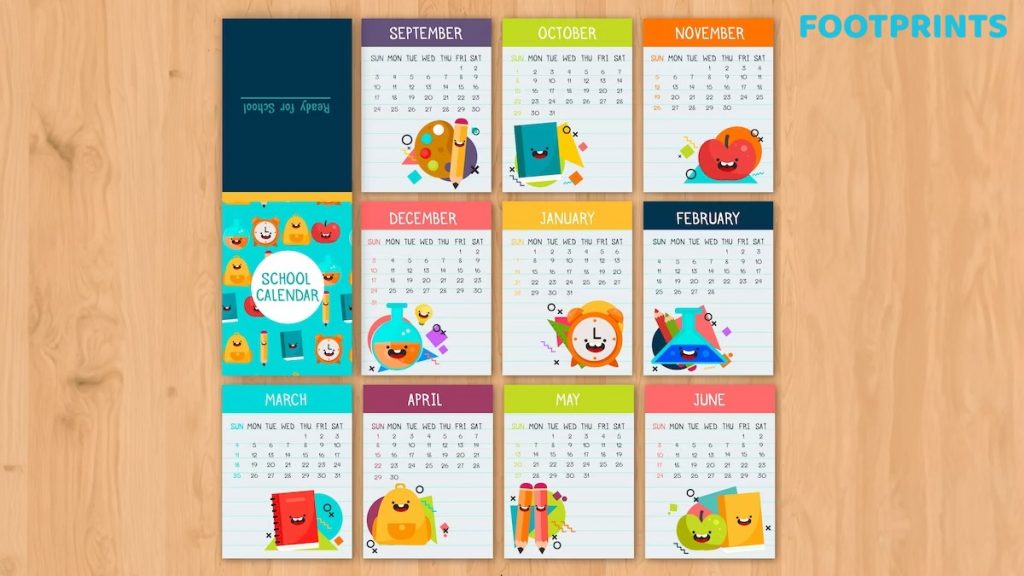
Introduce your child to a simple calendar. Start with something exciting, such as their birthday, and show them which day of the week it falls on. You can also mark festivals, family outings, or special activities.
To make it more engaging, turn it into an art activity by creating a colourful calendar together and discussing what happens on each day of the week.
2. Put the Days in Order
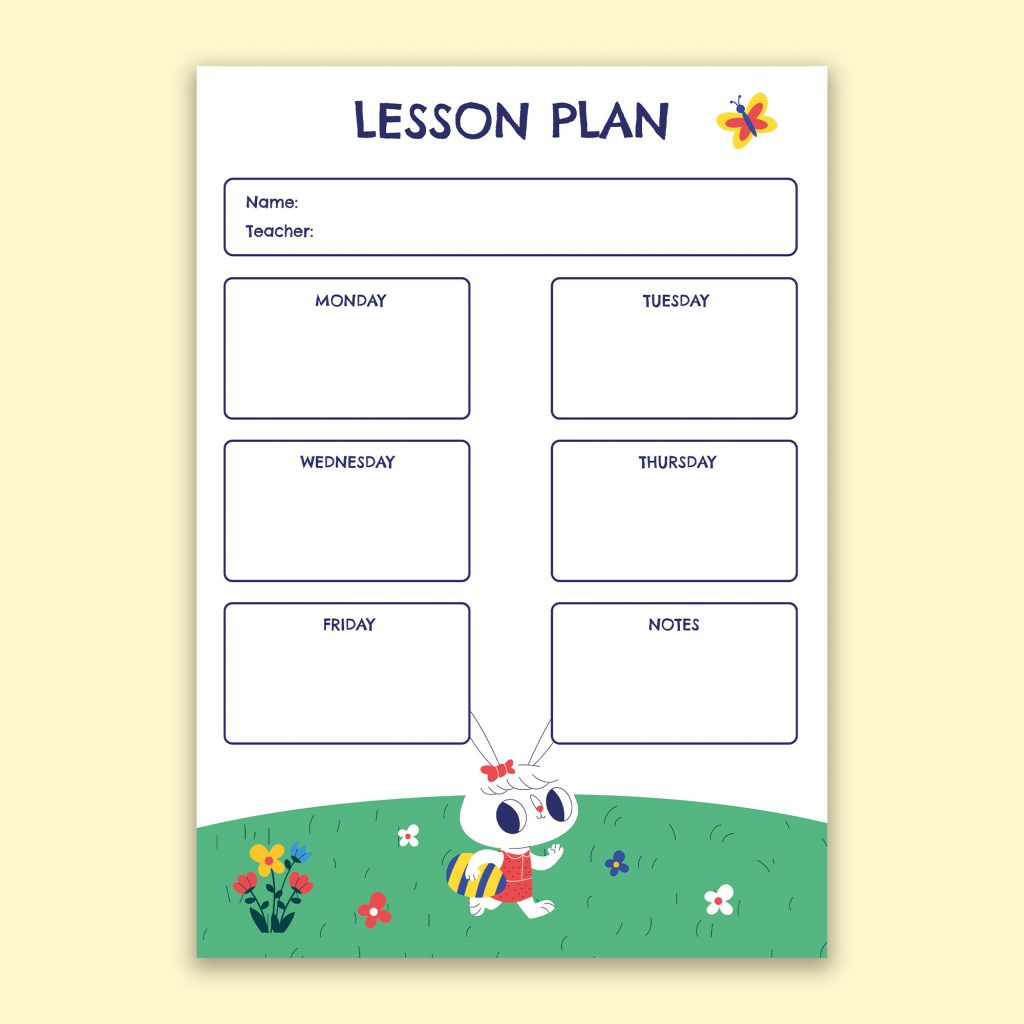
Write the names of the days of the week on separate cards or pieces of paper. Ask your child to arrange them in the correct order. This activity strengthens memory, sequencing skills, and word recognition.
In a classroom setting, this can be turned into a fun group or pair activity.
3. Wall Movement Activity
Place cards with the names of the weekdays on different walls of the room. Call out a day, and ask the child to run and touch the correct card. This movement-based activity helps active learners retain information more effectively.
4. Sing the Days of the Week
Songs are one of the best ways to help children remember new concepts. Create a simple tune for the days of the week or use existing songs. Adding hand actions or gestures for each day makes the activity even more engaging.
5. Worksheets and Colouring Activities
Simple worksheets that involve tracing, matching, or colouring the weekdays can reinforce learning. Allow children to use their favourite colours to make the activity enjoyable rather than instructional.
6. Caterpillar Art Activity
Create a caterpillar using coloured paper circles. Write one day of the week on each circle. This visual activity helps children remember that there are seven days in a week and recall them in sequence.
7. Hopscotch with Days of the Week
Modify a hopscotch game by writing the days of the week in each square. As children jump, they can say the name of each day aloud. This combines physical activity with learning, making it highly effective.
8. Yesterday, Today and Tomorrow
Once children are familiar with the names of the days, introduce the concepts of yesterday, today, and tomorrow. Ask them to draw or talk about:
- What they did yesterday
- What they are doing today
- What they will do tomorrow
This helps them understand time in context.
9. Read Picture Books
Picture books are excellent tools for teaching time concepts. Books like The Very Hungry Caterpillar or Today Is Monday use repetition and visuals to reinforce the weekdays. Reading aloud also encourages early reading habits.
10. Use Everyday Conversations
The simplest and most effective method is to use the days of the week naturally in daily conversations. Phrases like “Today is Monday, so we go to school” or “Tomorrow is Sunday, so we stay home” help children absorb the concept effortlessly.
Tips for Parents and Educators
- Be consistent and patient
- Repeat the days of the week daily
- Avoid memorisation drills
- Keep learning, playful and pressure-free
Children learn best when concepts are introduced naturally and repeatedly in a positive environment.
To Sum Up
Teaching the days of the week does not need to feel like a lesson. When introduced through play, stories, routines, and conversations, children learn effortlessly and with joy. These early time concepts help build structure, confidence, and independence during the preschool years.
At Footprint Preschool, we believe in nurturing curiosity and learning through play-based experiences. By integrating everyday concepts like the weekdays into meaningful activities, we help children develop strong foundations for lifelong learning.
Frequently Asked Questions (FAQ’s)
1. At what age should a preschooler learn the days of the week?
Most children can start recognising the days of the week between 3 and 4 years of age, especially during the pre-primary years. At this stage, children learn best through repetition, songs, and daily routines rather than memorisation.
2. How long does it take for a preschooler to learn the names of the days?
Every child learns at their own pace, but with regular exposure through play and conversation, many preschoolers begin recognising the names of the days within a few weeks. Consistency is more important than speed.
3. What is the easiest way to teach the days of the week to a preschooler?
The easiest way is to include the days of the week in everyday conversations. Talking about school days, play days, and weekends helps children connect the names of the days with real-life experiences.
4. Should preschoolers memorise the names of the weekdays?
No. Preschoolers do not need to memorise the names of the weekdays. Learning should happen naturally through repetition, songs, games, and routines so that the concept feels meaningful and stress-free.
5. Can songs and stories really help children learn the names of the weekdays?
Yes. Songs and picture books make learning enjoyable and improve memory. Repetition through music and storytelling helps children remember the sequence of the days more easily.
6. How does learning the days of the week help preschool development?
Learning the days of the week supports language development, sequencing skills, and a basic understanding of time. It also helps children feel more secure by understanding daily and weekly routines.

Aditya brings over ten years of expertise as a Senior Marketing Strategist. He’s an expert at developing captivating marketing tactics that regularly provide excellent outcomes. His innovative strategies have demonstrated a track record of increasing organizational reach and engagement, showcasing his extensive knowledge of the contemporary marketing landscape.
 View Fees
  Call Us