

Updated: 14-January-2026
Many parents look for activities that keep children active while also sharpening their cognitive abilities, memory, and learning. Brain gym exercises offer a simple and effective way to do exactly that. These exercises combine gentle physical movements with mental engagement, helping children become calmer, more focused, and ready to learn.
Brain gym exercises for children are often used at home and in classrooms to support attention, coordination, and emotional balance. When practised regularly, they can become a helpful part of a child’s daily routine.
What Are Brain Gym Exercises?
Brain gym exercises are a set of simple movements developed by educator Paul E. Dennison and Gail E. Dennison. The idea behind these exercises is that specific physical movements help activate different parts of the brain and improve communication between the body and mind.
Just as physical exercise strengthens muscles, brain fitness activities help stimulate brain activity. Parents and educators have observed benefits such as better focus, improved memory, reduced stress, and smoother learning experiences—especially during early childhood, when brain development is rapid.
Benefits of Brain Gym Exercises for Children
| Benefit | How It Helps |
| Improves focus | Helps children pay attention for longer periods |
| Boosts memory | Supports recall and learning retention |
| Reduces stress | Calms restless or anxious behaviour |
| Enhances coordination | Improves body–brain connection |
| Supports learning | Makes reading and writing easier |
Brain Gym Exercises for Children
Below are some easy-to-do brain gym exercises that parents and educators can practise with children.
1. Lazy Eights
Ask the child to draw the number eight on paper or trace it in the air using their hand. This exercise helps relax the arm and wrist muscles while improving balance, eye movement, and concentration.
2. Double Doodle
In this activity, the child uses both hands to draw shapes or pictures at the same time. Using both hands together activates both sides of the brain and supports learning, spelling, and basic problem-solving skills.
3. The Active Arm
The child stretches one arm while holding it firmly with the other arm at a right angle. This movement strengthens the upper body and improves hand–eye coordination and focus.
4. Earth Buttons
The child places one hand on the lips and the other on the navel and makes gentle circular motions. This exercise improves body awareness and helps children stay mentally alert and oriented.
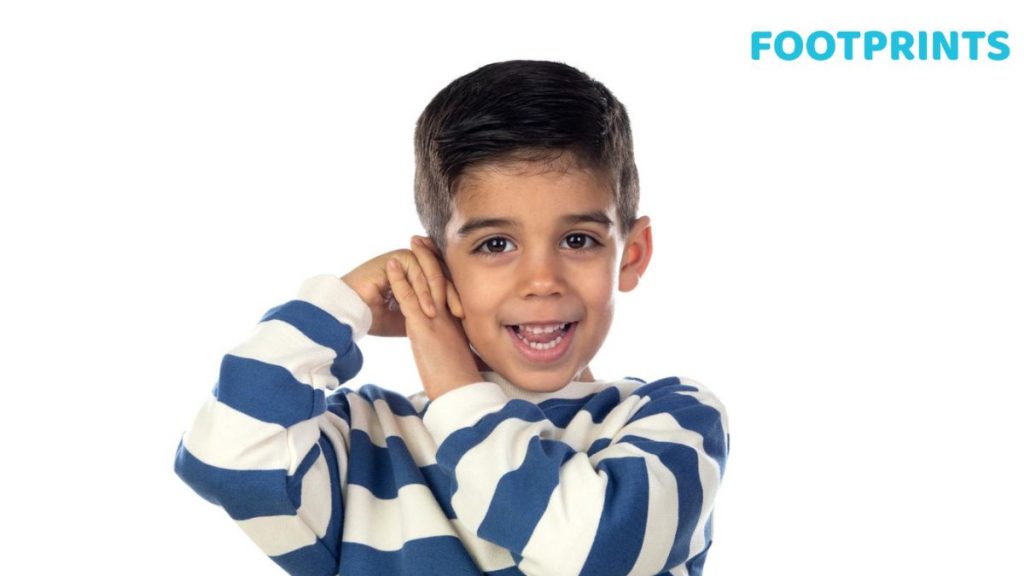
5. The Thinking Cap
Ask the child to gently roll and unroll the outer part of the ears using the thumb and index finger. This activity supports listening skills and is believed to help with short-term memory and attention.
6. Brain Buttons
The child massages the collarbone area using both hands while taking slow, deep breaths. This exercise is commonly used to improve focus and prepare the brain for learning tasks.
7. Cross Crawl
The child touches the left elbow to the right knee and then switches sides in a rhythmic motion. Cross crawl improves coordination between the left and right sides of the brain, supporting attention and concentration.
8. Energy Yawn
Encourage the child to yawn intentionally while gently stretching the face and body. This fun activity relaxes facial muscles, increases oxygen flow, and stimulates brain activity.
9. Hook Ups
The child sits comfortably, crosses legs and arms, interlaces fingers, and takes deep breaths. This calming exercise helps reduce stress and allows the child to regain focus and emotional balance.
10. The Elephant
The child stretches one arm near the ear and draws an infinity sign in the air. This movement helps improve balance, eye coordination, and overall brain-body connection.

When Should Children Do Brain Gym Exercises?
Brain gym exercises work best when practised:
- Before homework or reading time
- During short study breaks
- When a child feels restless or tired
Even 5–10 minutes a day can make a noticeable difference when done consistently.
How Parents Can Use Brain Gym Exercises at Home
Parents can easily include mental workouts in daily routines. These activities do not require special equipment and can be done in a relaxed environment. Many parents notice that children settle down faster and focus better after a few simple movements.
Combining brain gym exercises with reading, puzzles, music, and play further supports a child’s overall development.
To Sum Up
Brain gym exercises are a simple yet powerful way to support a child’s focus, memory, and overall learning ability. When practised regularly, these activities help calm the mind, strengthen neural connections, and create a positive learning experience.
At Footprints Playschool, we focus on the child’s holistic development by combining movement, curiosity, and age-appropriate learning. Through thoughtful activities like brain gym exercises, we aim to build strong foundations that support children well beyond their early years.
Frequently Asked Questions (FAQ’s)
1. What are brain gym exercises for children?
Brain gym exercises are simple movement-based activities that help improve focus, memory, coordination, and learning readiness in children.
2. At what age can children start brain gym exercises?
Children can begin brain gym exercises as early as 3–4 years, using age-appropriate movements.
3. How often should children practise brain gym exercises?
Practising brain gym exercises for 5–10 minutes daily is usually sufficient.
4. Can mental workouts help with concentration and memory?
Yes, these exercises help activate both sides of the brain, supporting better attention, focus, and memory.
5. Are brain training exercises safe for children?
Yes, brain gym exercises are gentle, safe, and suitable for everyday use when done correctly.

Purvesh is a multidimensional leader at Footprints Childcare. As a TED speaker and IIT-Delhi alumnus, his passion for education is fueled by his experiences as a certified life coach and parent. He goes beyond traditional parent engagement activities, creating meaningful connections through insightful parenting workshops and open communication channels. Purvesh’s commitment to empowering parents, teachers, and students is the foundation of everything we do at Footprints. What motivates Purvesh? As a parent himself, the challenges his son faces in the educational system are the driving force for him.
 View Fees
  Call Us