

Updated: 15-January-2026
The LKG stage is a crucial phase in early childhood, where children begin to explore the world beyond their homes. At this age, learning is not limited to books or worksheets. Instead, children learn best through play, interaction, and hands-on experiences that support their physical, emotional, cognitive, and social development.
Well-planned activities for LKG children help build curiosity, confidence, communication skills, and problem-solving abilities. When learning feels enjoyable and meaningful, children naturally develop a positive attitude toward school and learning.
Below are seven thoughtfully chosen activities that support holistic development in LKG children while keeping learning engaging and fun.
1. Arts and Crafts
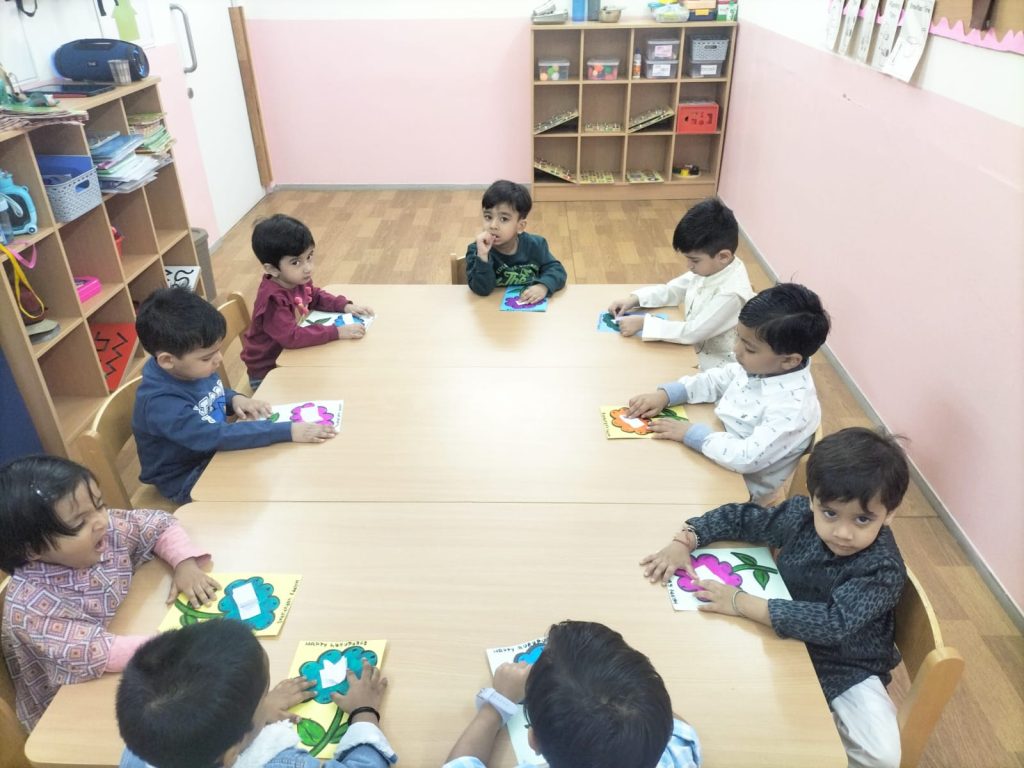
Creative activities allow children to express themselves freely while strengthening fine motor skills and imagination. Arts and crafts also help children focus, follow instructions, and develop patience.
Examples of arts and crafts activities:
- Clay or playdough creations: Moulding soft materials strengthens finger muscles and boosts creativity.
- Drawing and painting: Using crayons, brushes, or finger paints encourages creativity and improves hand control.
- Collage making: Cutting and pasting paper pieces improves hand–eye coordination and shape recognition.
2. Sensory Games
Sensory activities engage a child’s senses and help them understand the world through exploration. These games support cognitive growth and emotional regulation.
Popular sensory activities include:
- Sound exploration: Using simple musical instruments introduces rhythm and enhances auditory awareness.
- Water play: Pouring, scooping, and floating objects improve coordination and understanding of cause and effect.
- Sensory bins: Materials like sand, rice, or flour help children explore textures and build curiosity.
3. Role Playing and Storytelling
Role-playing and storytelling encourage communication, imagination, and emotional understanding. These activities also support early language development and confidence.
Effective role-play activities:
- Dress-up play: Children explore different roles and perspectives, which nurtures empathy.
- Puppet shows: Acting out stories improves social interaction and creativity.
- Story reading: Listening to stories enhances comprehension, vocabulary, and attention span.
4. Dance and Music
Music and movement activities help children express emotions, improve coordination, and develop listening skills. They also encourage group participation and joy.
Dance and music activities include:
- Free dance sessions: Improve balance, rhythm, and body control.
- Sing-along sessions: Strengthen memory, pronunciation, and language skills.
- Musical chairs: Enhance listening skills, coordination, and spatial awareness.
5. Outdoor and Physical Activities
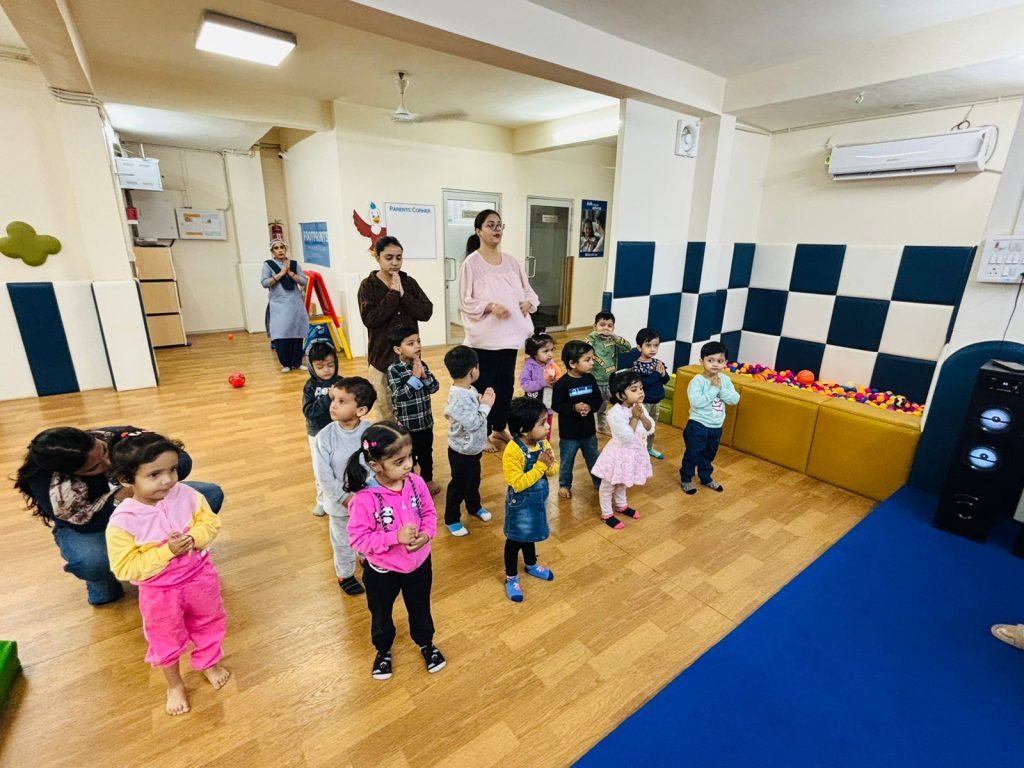
Outdoor play is essential for physical health and energy release. It also helps children develop teamwork, confidence, and awareness of their surroundings.
Recommended outdoor activities:
- Nature walks: Encourage observation skills and curiosity about plants and animals.
- Obstacle courses: Improve balance, strength, and coordination in a fun way.
- Ball games: Throwing, catching, and kicking balls enhance motor skills and teamwork.
6. Cognitive and Educational Activities
Cognitive activities introduce early literacy, numeracy, and problem-solving skills in a playful way, making learning enjoyable rather than stressful.
Useful cognitive activities:
- Puzzle games: Improve problem-solving and spatial reasoning.
- Building blocks: Teach balance, structure, and creativity.
- Shape and colour recognition: Sorting and matching activities improve cognitive development.
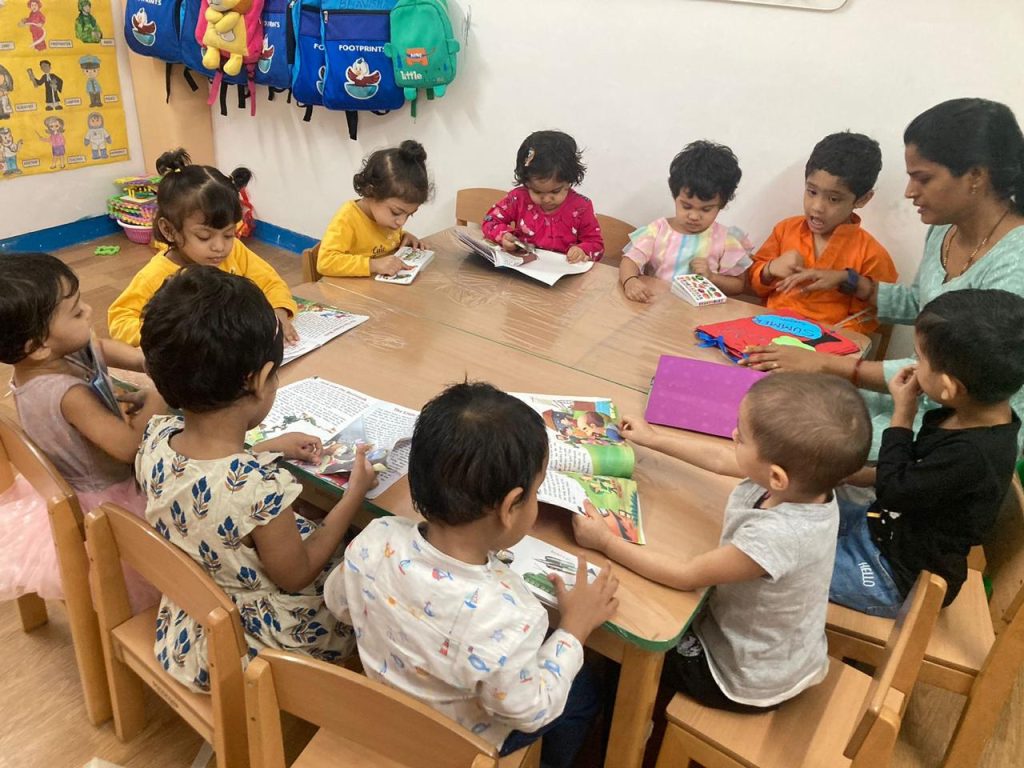
7. Science and Exploration Activities
Young children are naturally curious. Simple science-based activities help them understand basic concepts and develop critical thinking skills.
Exploration activities include:
- Playing with magnets: Introduces basic concepts of attraction and repulsion.
- Gardening: Teaching children to plant and care for seeds builds patience and responsibility.
- Simple experiments: Activities like ice melting or mixing safe ingredients encourage curiosity and observation.
To Sum Up
The LKG years are a time of discovery, curiosity, and rapid development. Activities that combine play with learning help children grow physically, emotionally, cognitively, and socially in a balanced way. When children enjoy what they are doing, learning happens naturally and confidently. At Footprints Preschool, we focus on creating enriching learning environments where children learn through exploration, interaction, and age-appropriate activities. Our approach ensures that children build strong foundations that support lifelong learning and overall development.
Frequently Asked Questions (FAQ’s)
1. Why are activities important for LKG children?
Activities help LKG children develop essential skills such as coordination, communication, problem-solving, and emotional regulation. They also make learning enjoyable and meaningful.
2. How do activities support social development in early childhood?
Group activities encourage sharing, cooperation, communication, and empathy. These interactions help children build friendships and understand social behaviour.
3. How much activity time is ideal for LKG children each day?
LKG children benefit from multiple short activity sessions spread throughout the day rather than long, structured lessons.
4. Should learning activities be structured or free-play based?
A balance works best. Guided activities provide direction, while free play encourages creativity and independence.
5. Can parents support these activities at home?
Yes. Simple activities like storytelling, puzzles, music, and outdoor play at home reinforce learning and development.

Shubham Tiwari is a childcare specialist and education content expert with over 5 years dedicated to India’s early childhood education landscape. His work sits at the intersection of child development research and practical parenting guidance — helping Indian families understand preschool selection, evaluate curriculum quality, recognise developmental milestones, and navigate child safety standards.
Over the course of his career in early childhood education, Shubham has developed deep expertise in the questions Indian parents ask most: when to start preschool, what to look for in a curriculum, how to identify speech delay early, and what genuine early learning looks like versus supervised play. His writing covers preschool admission processes, child safety policies, handwriting and language development, and how early experiences shape long-term brain development.
Shubham’s approach is research-first and parent-first — making early childhood education knowledge accessible to every family, regardless of background.
 View Fees
  Call Us