

Updated: 9-January-2026
As parents and educators, we often associate learning with structured lessons, books, and instructions. However, research and classroom experience consistently show that children learn best when learning feels natural and enjoyable. This is where the Play-Way Method plays a vital role.
The play-based learning method uses play as a medium for learning, allowing children to explore, experiment, and understand concepts in a stress-free environment. Instead of memorising information, children actively participate in the learning process, making education more meaningful and long-lasting.
What is the Play-Way Method?
The Play-Way Method is an educational approach that places the child at the centre of the learning process. It is based on the idea that learning happens most effectively when children are actively involved, rather than passively receiving information.
In this method, play is not treated as a break from learning but as the primary tool for learning. Children interact with materials, peers, and their surroundings to discover concepts on their own. Teachers act as facilitators, gently guiding children instead of directing every step.
This approach encourages curiosity, creativity, and independent thinking—skills that are essential during early childhood.
How the Play-Way Method Works in Practice
The Play-Way Method creates an environment where learning emerges naturally through structured and unstructured play. Children learn concepts through real-life experiences rather than worksheets or rote instruction.
| Core Element | Role in Learning |
| Hands-on activities | Help children understand concepts through experience |
| Child-led exploration | Encourages curiosity and confidence |
| Teacher as facilitator | Supports learning without pressure |
| Indoor and outdoor play | Develops cognitive and physical skills |
| Real-life materials | Makes learning relatable and meaningful |
For example, sorting objects by size during play helps children understand concepts like big and small, while role-play activities support language and social development.
Techniques Used in the Play-Way Method
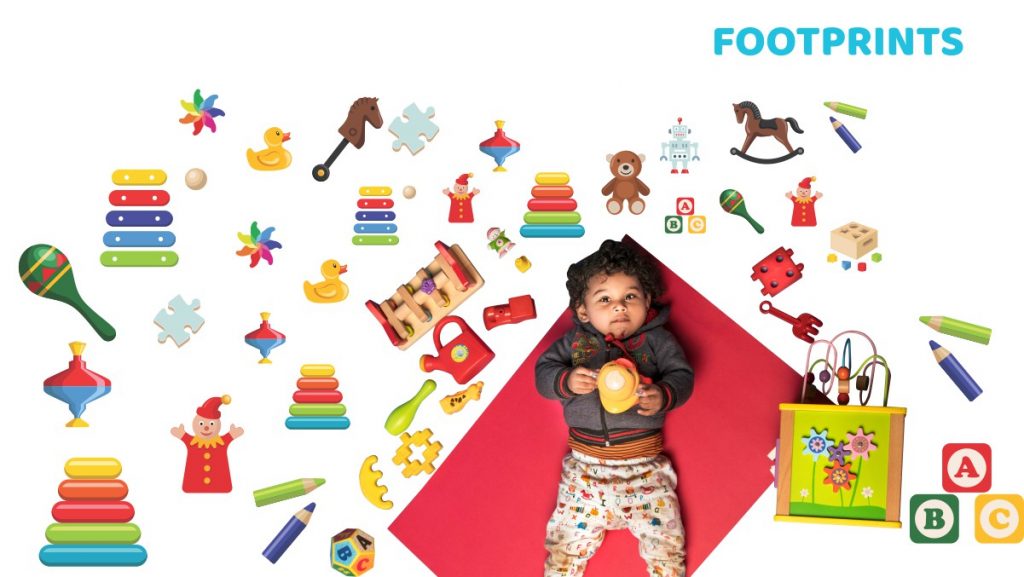
The Play-Way Method incorporates a variety of techniques to support different aspects of development.
| Technique | How It Helps Children |
| Storytelling | Builds language, imagination, and listening skills |
| Educational games | Improves problem-solving and teamwork |
| Sensory play | Enhances observation and sensory awareness |
| Art and craft | Encourages creativity and self-expression |
| Outdoor play | Strengthens motor skills and coordination |
These techniques ensure that learning remains engaging while supporting cognitive, social, and emotional growth.
Advantages of the Play-Way Method in Early Education
1. Makes learning enjoyable and meaningful
Children associate learning with fun rather than pressure. This positive association increases engagement and motivation.
2. Encourages independent thinking
By exploring and experimenting, children learn how to make decisions and solve problems on their own.
3. Supports emotional and social development
Group activities teach sharing, cooperation, empathy, and communication.
4. Improves long-term understanding
Children remember concepts better when they learn through experience instead of memorisation.
How the Play-Way Method Supports Holistic Development
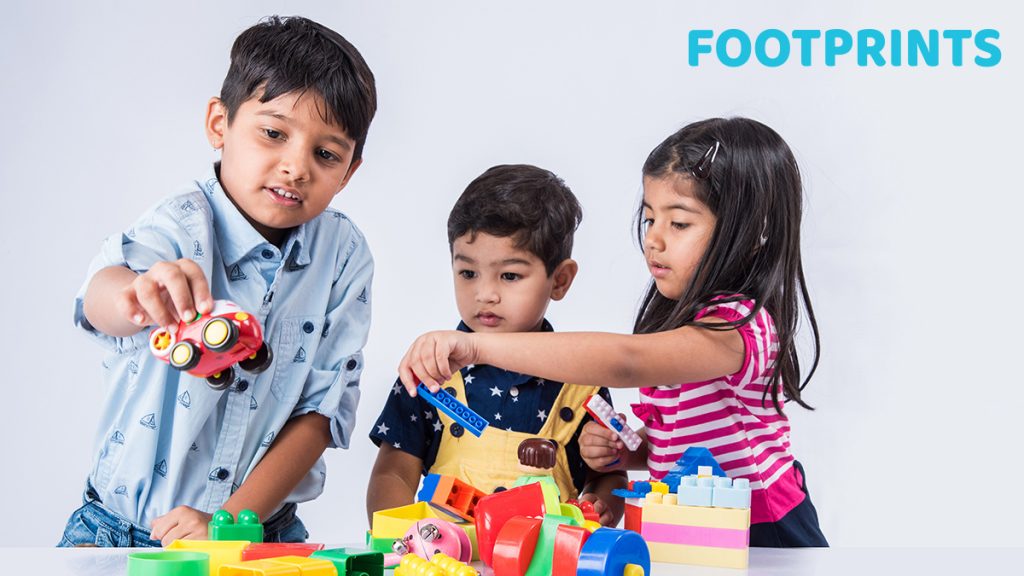
The Play-Way Method focuses on the overall development of the child rather than academic outcomes alone.
- Cognitive development: Encourages thinking, reasoning, and problem-solving
- Social development: Promotes collaboration and communication
- Emotional development: Helps children express feelings and build resilience
- Physical development: Strengthens coordination and motor skills
This balanced approach ensures children grow in all key areas during early childhood.
Play-Way Method vs Traditional Teaching
| Play-Way Method | Traditional Teaching |
| Learning through play | Learning through instruction |
| Child-led exploration | Teacher-led lessons |
| Focus on experience | Focus on memorisation |
| Encourages curiosity | Focuses on correct answers |
| Supports holistic development | Focuses mainly on academics |
For young learners, the Play-Based Method aligns better with natural learning patterns and developmental needs.
HighScope Approach and the Play-Based Learning Method
At Footprints Preschools and Daycare centres that have emerged as a preferred parenting partner, we follow the HighScope curriculum, which strongly aligns with the Play-Based Learning Method. The HighScope approach emphasises active learning, where children learn through direct experiences with people, objects, and ideas.
| HighScope Element | Purpose |
| Active learning | Encourages hands-on exploration |
| Supportive environment | Builds confidence and independence |
| Child-led routines | Develops decision-making skills |
| Teacher scaffolding | Guides learning without control |
While play-based and flexible, the HighScope curriculum is also structured and research-backed, helping children develop executive function, self-regulation, and critical thinking skills.
To Sum Up
The Play-Way Method transforms learning into a joyful and meaningful experience. By allowing children to explore, experiment, and learn at their own pace, this approach supports deeper understanding rather than surface-level memorisation.
When supported by structured frameworks such as the HighScope curriculum, the Play-Based Method creates a balanced learning environment where children feel confident, curious, and motivated to learn. This foundation prepares them not only for formal schooling but also for lifelong learning and personal growth.
Frequently Asked Questions (FAQ’s)
1. What is the Play-Way Method of teaching?
The Play-Way Method is a child-centred learning approach where concepts are introduced through play-based activities. Children learn by exploring, interacting, and discovering ideas rather than through direct instruction.
2. Why is the Play-Based Method important in early childhood education?
Early childhood is a crucial phase for brain development. The Play-Based Method supports this stage by encouraging curiosity, creativity, and problem-solving in a stress-free environment.
3. Is Play-Based Learning better than traditional teaching methods?
For young children, play-based learning is often more effective because it aligns with how children naturally learn—through experience and exploration.
4. What skills do children develop through the Activity-based learning?
Children develop communication, critical thinking, emotional regulation, creativity, collaboration, and motor skills.
5. How does the Activity-based learning support holistic development?
It addresses cognitive, social, emotional, and physical development together, ensuring balanced growth rather than focusing only on academics.

Shubham Tiwari is a childcare specialist and education content expert with over 5 years dedicated to India’s early childhood education landscape. His work sits at the intersection of child development research and practical parenting guidance — helping Indian families understand preschool selection, evaluate curriculum quality, recognise developmental milestones, and navigate child safety standards.
Over the course of his career in early childhood education, Shubham has developed deep expertise in the questions Indian parents ask most: when to start preschool, what to look for in a curriculum, how to identify speech delay early, and what genuine early learning looks like versus supervised play. His writing covers preschool admission processes, child safety policies, handwriting and language development, and how early experiences shape long-term brain development.
Shubham’s approach is research-first and parent-first — making early childhood education knowledge accessible to every family, regardless of background.
 View Fees
  Call Us