

Updated: 3-July-2026
Have you been reading an interesting storybook aloud to your preschooler and he wriggles away even before one page is over? Or perhaps he hops from colouring books to blocks to puzzles, never really sticking with anything for more than a few minutes? If you, like many other parents, are worried that the child does not focus on anything for long, here is where Brain Gym activities can help. They are a set of easy movement-based exercises that help children build focus, attention and learning skills.
Read on to learn about a number of age-appropriate brain gym activities. These fun activities for preschoolers at home come with a step-by-step guide.
What Is Brain Gym and Why Does It Help Young Children?
Brain Gym is a set of simple movement exercises that are known to activate both sides of the brain. They are easy-to-do actions that help children prepare their minds and bodies for learning.
Think of a simple example like a cross‑lateral movement that involves using the hand to touch the opposite knee. This action encourages the left and right hemispheres of the brain to work together while strengthening neural connections that support attention and learning.
The overall benefits of Brain Gym include:
- Focus – Children can sit longer and pay attention to tasks
- Coordination – It helps children move their hands, eyes, and body in sync, making everyday tasks smoother.
- Memory – Enables improved recall of stories and lessons
- Reading readiness – With improved eye tracking and concentration it brings about reading readiness.
The Harvard Center on the Developing Child explains that executive function skills such as focus, working memory, and self‑control develop most rapidly in early childhood, and grow strongest through practice and play.
Benefits of Brain Gym Exercises for Children
| Benefit | How It Helps |
| Improves focus | Helps children pay attention for longer periods |
| Boosts memory | Supports recall and learning retention |
| Reduces stress | Calms restless or anxious behaviour |
| Enhances coordination | Improves body–brain connection |
| Supports learning | Makes reading and writing easier |
Brain Gym Activities for Toddlers (Ages 2 to 3)
Here are a few toddler‑friendly Brain Gym ideas you can start right away:
1. Playful Cross Crawls
Stand with your toddler and show them how to touch their right hand to their left knee, then switch sides. Keep the activity slow and fun. This cross‑lateral movement helps both sides of the brain work together.
2. Balloon Tap
Blow up a balloon and encourage your child to tap it back to you using alternating hands. The floating balloon helps them coordinate their hand‑eye movements.
3. Animal Walks
This fun activity asks your toddler to move like different animals. Think- hopping like a bunny or waddling like a duck. These walks build balance and coordination. That they bring about a lot of giggles is an added perk.
4. Lazy 8 Tracing
Get your child to draw a big “8” in the air with their finger. The smooth looping motion supports eye tracking.
You could also opt for other fine motor activities for toddlers like stacking blocks or finger painting. With each of these activities toddlers get to practice focus and coordination while having fun.
Brain Gym Exercises for Preschoolers (Ages 3 to 6)
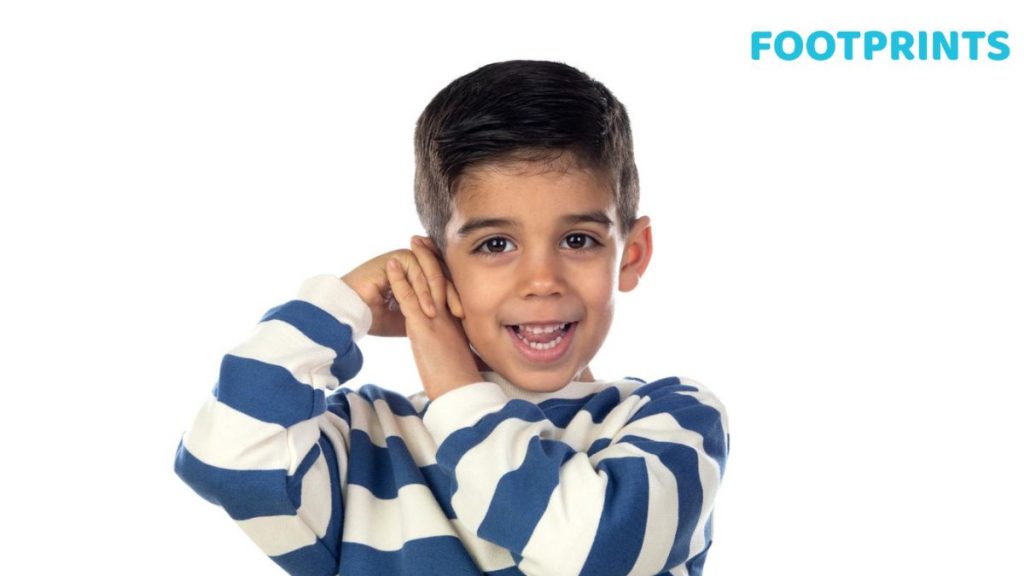
At this age preschoolers are ready for slightly more structured Brain Gym activities that strengthen focus and coordination:
5. Classic Cross Crawl
Get the child to stand and slowly touch their right elbow to their left knee before switching sides. This strengthens cross‑lateral coordination besides supporting concentration.
6. Lazy 8s on Paper
Give your child a large sheet of paper and ask them to draw a sideways “8”. The flowing motion helps with eye tracking and hand control.
7. Double Doodle
Tape two sheets of paper side by side. Now ask your child to draw simple shapes or patterns with both hands at the same time. This fun challenge improves coordination while sparking creativity.
8. Brain Buttons
Have your child place one hand on their belly button and gently press the soft spots just below the collarbone with the other hand. This activity supports alertness and focus.
9. The Elephant
Ask your child to stretch one arm out like an elephant’s trunk, resting it against their cheek. Then have them slowly draw big sideways “8s” in the air. This activity boosts balance and attention.
Simple Concentration Exercises to Add to the Mix
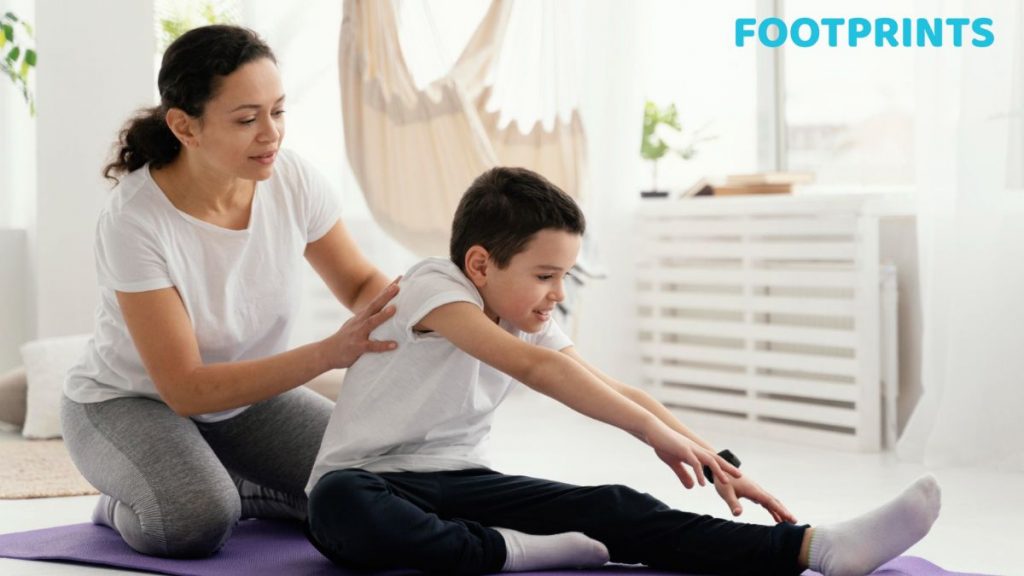
Here are a few quick concentration exercises for children that complement Brain Gym exercises. These build focus while the child has oodles of fun:
- Freeze Dance – This fun game involves dancing to music and then freezing when the music stops. It builds impulse control as children learn to pause their bodies on cue.
- Copy‑the‑Pattern Clapping – Clap a short rhythm and then have your child repeat it. Amidst all the fun, children will strengthen their attention and listening skills.
- “What’s Missing?” Tray Game – Place a few toys on a tray and allow your child to look at them carefully. Next hide one toy and get the child to tell you which one is missing. This fun game is known to boost observation and memory.
- Follow the Leader – Take turns to lead simple moves such as jumping and stretching while the follower copies the moves. This exercise encourages focus.
The CDC‘s developmental milestones outline what focus, coordination, and movement typically look like at each age, which helps parents keep expectations realistic while practising these exercises.
How to Build Brain Gym Into Your Child’s Daily Routine
Try including Brain Gym exercises right before focus‑heavy activities such as reading or homework. A few minutes of movement helps children settle their bodies and minds making it easier to pay attention.
It is important to remember that consistency beats duration. Just 5–10 minutes of these exercises, worked into the daily routine, helps strengthen brain connections over time.. Most importantly keep these exercises playful as opposed to presenting them like a chore that needs to be done.
The WHO recommends that young children get at least three hours of physical activity spread across the day, and playful movement exercises like Brain Gym count toward that total.
Feel free to pair Brain Gym activities with other activities for preschoolers by age that have worked for you.
Frequently Asked Questions (FAQ’s)
1. What age can a child start brain gym activities?
Children as young as 2 can begin with simple activities like animal walks or balloon taps. The activities tend to activate both sides of the brain. The focus at this age needs to be on fun rather than precision.
2. How long should a brain gym session be?
Keep sessions short and sweet. Around 5 to 10 minutes is ideal. Consistency matters more than duration with these activities.
3. Do brain gym exercises really improve concentration?
Yes, when practiced regularly, these exercises strengthen coordination between the brain’s hemispheres. In turn, it supports concentration and self‑control.
4. Can brain gym help a child who struggles with reading or writing?
It can support reading and writing readiness by improving eye tracking, hand‑eye coordination, and memory . Essentially it creates a stronger foundation to enable reading and writing.
5. Are brain training exercises safe for children?
Yes, brain gym exercises are gentle, safe, and suitable for everyday use when done correctly.
To Sum Up
Brain Gym activities are simple and fun. These brain development activities for toddlers activate both the body and the brain improving focus, memory and reading readiness. That they do not require equipment or special training and can be done anywhere, makes them that much easier. Since a few moments spent doing these exercises build stronger brain connections, do remember to ensure consistency.
At Footprints Playschool, we are committed to the child’s all-round growth. We follow the scientifically developed High Scope curriculum, an evidence-based, child-centered approach where children practice active learning.

Purvesh Sharma is a TED speaker, IIT-Delhi alumnus, certified life coach, and Co-Founder of Footprints Childcare — India’s safest preschool and daycare chain operating multiple centres across 30+ cities. He co-founded Footprints after recognising a fundamental gap: working parents in India needed a childcare option that combined genuine safety, research-backed curriculum, and real-time parent connectivity.
A certified life coach with deep exposure to behavioural science and developmental psychology, Purvesh leads parenting workshops and engagement programmes across Footprints centres — directly engaging with tens of thousands of Indian parents on the challenges of raising young children in urban India. As a parent himself, he brings lived experience to every piece he writes on child behaviour, tantrums, discipline, habit formation, and school readiness.
His writing is grounded in both the science of early childhood development and the real, daily decisions Indian parents face.
 View Fees
  Call Us