

Updated: 16-January-2026
Preschoolers begin to understand the concept of time through everyday experiences—celebrations, weather changes, school routines, and family events. Teaching the months of the year during early childhood does not need to involve memorisation or worksheets. Instead, the most effective way is to introduce the months through play, music, movement, and daily conversations.
When learning is fun and meaningful, preschoolers naturally remember the names of the months and begin to understand how they fit into the year. Below are ten simple and engaging activities that make teaching the months of the year enjoyable and stress-free.
1. Use a Calendar
Before introducing the names of the months, help children understand what a calendar is and how it works. Flip through the pages together and talk about important events such as festivals, holidays, or family birthdays that occur in different months.
You can also create a personalised calendar where children decorate each month with drawings related to events, weather, or celebrations. This helps them associate each month with real-life experiences rather than just names.
Pro tip: Whenever a new month arrives, take a moment to point it out to them. You can even revisit the decorated calendar to remind them of the exciting events to look forward to in the upcoming month.
2. Teach Through Seasons
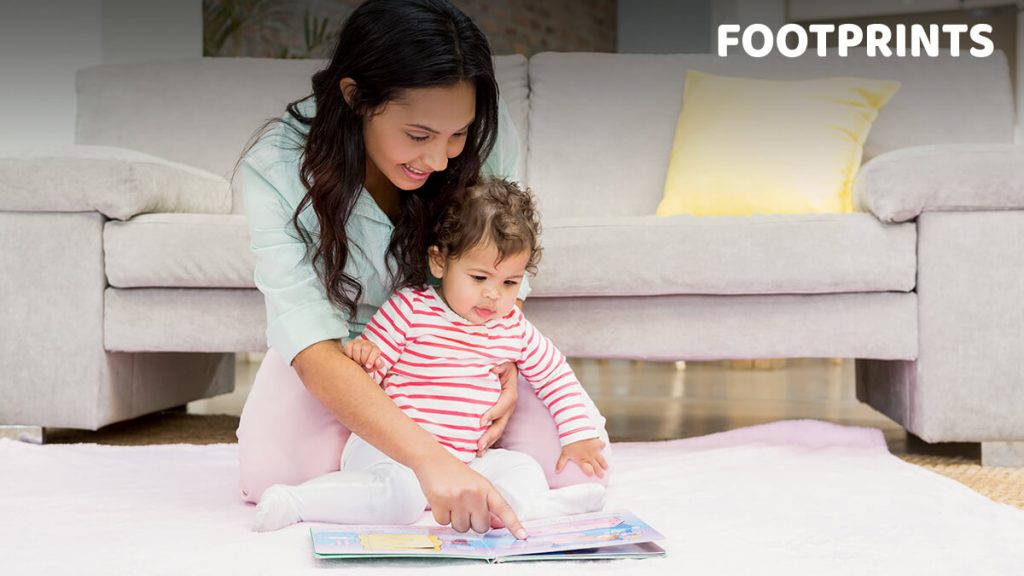
Seasons provide a natural way to introduce months. Children already notice changes in weather, clothing, and activities. You can talk about how certain months belong to summer, winter, or the rainy season and what makes each season special.
Using photographs or familiar memories—such as a holiday taken during a particular season—helps children connect months with experiences they can recall easily.
3. Learn with Songs
Songs are one of the easiest ways for preschoolers to remember new concepts. Set the names of the months to a familiar tune or use existing songs that list all twelve months.
Children often repeat songs on their own, which helps reinforce learning naturally without making it feel like a lesson.
4. March Through the Months
Movement-based learning works especially well for preschoolers. Assign each child a month and ask them to march in order while calling out the names of the months aloud.
This group activity encourages participation, builds confidence, and helps children remember the correct sequence of the months through repetition and movement.
5. Watch Educational Videos
Short, engaging videos that explain the months of the year can be very effective for visual and auditory learners. Choose videos that include animations, songs, or simple explanations related to weather, festivals, or activities in each month.
Watching and discussing the video together helps children retain what they see and hear.
6. Hopscotch with Months
Turn a traditional hopscotch game into a learning activity by writing the names of the months in each box. As children hop from one box to another, encourage them to say the month’s name aloud.
This activity combines physical play with learning, making it easier for preschoolers to remember the months in order.
7. Use Flashcards
Create flashcards for each month, along with pictures that represent something special about that month. Once children become familiar with the names, ask them to arrange the flashcards in the correct order.
This helps improve memory, sequencing skills, and word recognition.
8. Learning While the Child Plays with Building Blocks
When a child plays with building blocks, you can turn playtime into a learning opportunity. Assign one month to each block and ask the child to say the name of the month before stacking or placing the block.
This simple activity strengthens memory while keeping learning playful and interactive.
9. Play a Memory Game
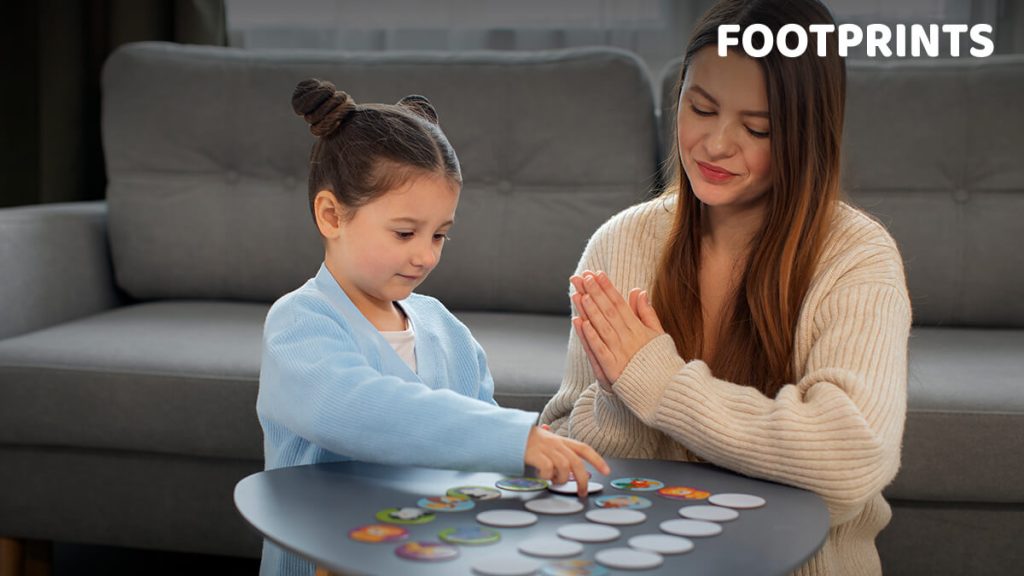
In a group setting, take turns saying the months of the year in sequence. If someone misses a month, they step out for that round. The game continues until only one child remains.
This fun activity encourages recall, listening skills, and group participation.
10. Learn Through Birthdays
Birthdays are exciting for preschoolers and make learning personal. Ask children to share their birthday months and arrange them in order. Mentioning shared birthday months creates excitement and helps children remember the names more easily.
To Sum Up
Teaching the months of the year becomes simple when learning is woven into play, routines, and everyday conversations. These activities help preschoolers understand time naturally while keeping them engaged and curious. At Footprints Playschool, we believe that early learning should be joyful, interactive, and meaningful. By introducing concepts like the months of the year through play-based methods, we help children build strong foundations that support lifelong learning.
Frequently Asked Questions (FAQs)
1. At what age can preschoolers learn the months of the year?
Preschoolers can begin learning the months of the year between 3 and 5 years of age. At this stage, learning works best through repetition, play, and daily conversations rather than memorisation.
2. How long does it take for a child to learn all twelve months?
Every child learns at a different pace. With regular exposure through songs, games, and routines, many preschoolers begin recognising the months within a few weeks.
3. Should preschoolers memorise the months of the year?
No. Preschoolers learn better when months are introduced through play and real-life experiences rather than memorisation or drills.
4. Why is it important for children to learn the months of the year early?
Learning the months helps children understand routines, develop sequencing skills, and gain a basic sense of time, which supports early cognitive development.
5. What is the best way to reinforce learning at home?
Using everyday conversations, marking events on a calendar, singing songs, and revisiting activities regularly are the most effective ways to reinforce learning.

Purvesh is a multidimensional leader at Footprints Childcare. As a TED speaker and IIT-Delhi alumnus, his passion for education is fueled by his experiences as a certified life coach and parent. He goes beyond traditional parent engagement activities, creating meaningful connections through insightful parenting workshops and open communication channels. Purvesh’s commitment to empowering parents, teachers, and students is the foundation of everything we do at Footprints. What motivates Purvesh? As a parent himself, the challenges his son faces in the educational system are the driving force for him.
 View Fees
  Call Us