

Updated: 29-December-2025
“Jack and Jill
Went up the hill.
To fetch a pail of water
Jack fell down.
And broke his crown.
And Jill came tumbling after.”
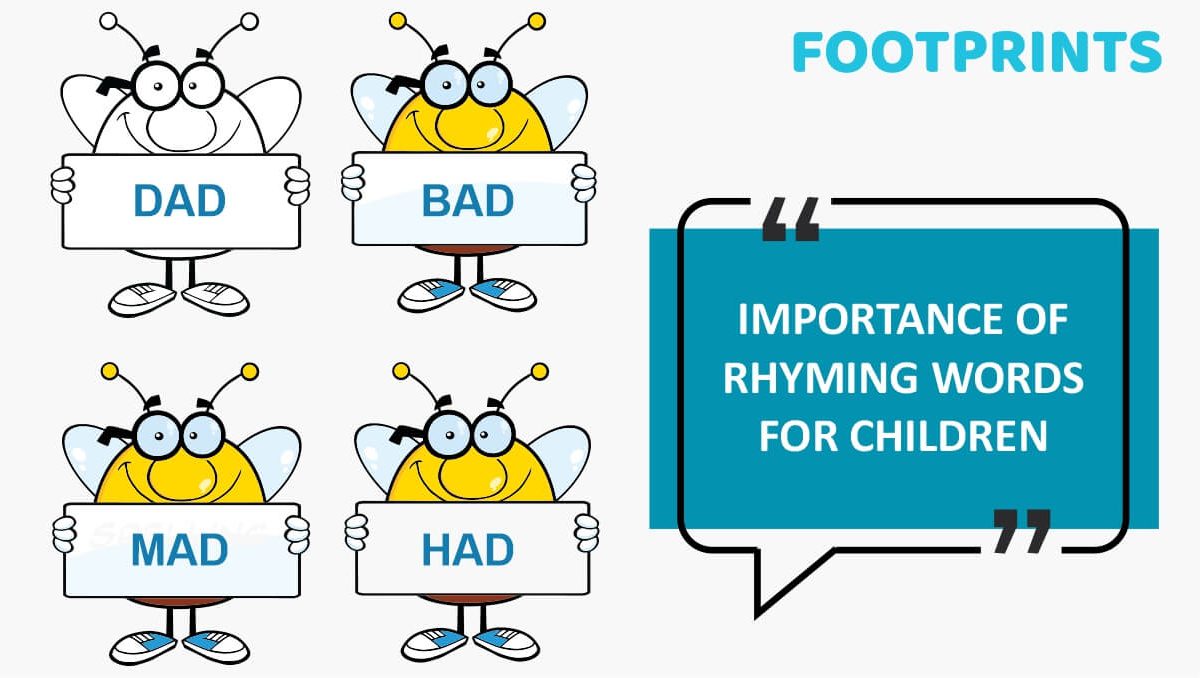
Rhyming words are words that have similar ending sounds, such as cat–hat or sun–fun. Children naturally enjoy rhymes because they are playful, musical, and easy to remember. Regular exposure to rhymes enriched the child’s vocabulary and supports early language development.
In this guide, you will find a clear list of rhyming words in English, along with simple examples and activities. The content is suitable for nursery, preschool, and Class 1 children, and is designed to help parents and educators support early language development in a simple and enjoyable way.
What Are Rhyming Words?
Rhyming words are words that end with the same or similar sounds.
For example:
- Ball rhymes with tall
- Run rhymes with fun
Children usually begin recognising rhyming words when they listen to poems or songs repeatedly. Over time, they start identifying patterns in sounds and even create their own rhymes.
Easy Rhyming Words for Nursery Children
For nursery children, rhyming words should be short, familiar, and repetitive. These words help children listen carefully to sounds without feeling overwhelmed.
Some easy rhyming words for nursery children include:
| Word | Rhyming Words |
| Cat | Bat, Hat, Mat |
| Sun | Fun, Bun, Run |
| Dog | Log, Fog |
| Pen | Hen, Ten |
| Mat | Rat, Pat |
| Cup | Pup |
| Bug | Jug, Mug |
Using actions, pictures, and objects while saying these words aloud helps children understand them faster.
Rhyming Words for Preschool Children
Preschool children can recognise a wider range of sounds and begin using rhyming words in sentences or games.
Common rhyming words for preschool children include:
| Word | Rhyming Words |
| Ball | Tall, Fall, Wall |
| Tree | Bee, See |
| Cake | Make, Take |
| Book | Look, Cook |
| Play | Day, Say |
| Car | Far, Star |
| Moon | Soon, Spoon |
At this stage, children enjoy guessing rhyming words and repeating them during storytelling or playtime.
Rhyming Words for Class 1 Children
| Word | Rhyming Words |
| Light | Night, Bright |
| Rain | Train, Brain |
| Cold | Bold, Told |
| Hand | Sand, Land |
| Chair | Fair, Hair |
| Time | Rhyme |
| Stone | Bone, Cone |
These words support reading fluency and help children recognise word patterns more confidently.
Rhyming Words List (With Examples)
| Word | Rhyming Words | Example Sentence |
| Cat | Bat, Hat, Mat | The cat sat on the mat. |
| Sun | Fun, Run, Bun | We had fun playing in the sun. |
| Ball | Tall, Fall, Wall | The ball hit the wall. |
| Book | Look, Cook | Please look at the book. |
| Tree | Bee, See | A bee sat on the tree. |
| Play | Day, Say | We play every day. |
| Light | Night, Bright | The light shines at night. |
| Rain | Train, Brain | The train moved in the rain. |
| Cold | Bold, Told | It felt cold outside. |
| Hand | Sand, Land | Sand fell on my hand. |
Why Rhyming Words Are Important for Children
Rhyming words help children notice patterns in language. When children hear similar sounds repeatedly, they begin to understand how words are formed and connected.
Learning rhyming words helps in several ways:
- Builds vocabulary: Children pick up new words naturally through repetition.
- Improves speech clarity: Rhymes help children pronounce words more clearly.
- Supports reading skills: Recognising sound patterns makes reading easier.
- Strengthens memory: Rhymes are easier to remember than isolated words.
These skills develop quickly during early childhood, which is why rhyming words play an important role in early learning.
How Rhyming Words Help in Poems and Songs
Poems and songs often use rhyming words because they sound pleasant and are easy to remember. When children listen to rhymes regularly, they begin predicting sounds and completing lines on their own. This builds confidence and encourages active participation.
Parents often notice that children remember poems faster than plain sentences. This is because rhyming words create a rhythm that supports memory and understanding.
Fun Activities to Teach Rhyming Words
You can help children learn rhyming words through simple activities at home:
- Rhyming game: Say one word and ask the child to think of a word that sounds similar.
- Object matching: Match toys or pictures that rhyme.
- Reading aloud: Pause while reading a poem and let the child guess the next rhyming word.
- Create a rhyme: Start a sentence and ask the child to complete it with a rhyming word.
These activities make learning feel playful rather than forced.
Frequently Asked Questions (FAQ’s)
1. What are rhyming words in English?
Rhyming words are words that end with similar sounds, such as cat–hat or tree–bee.
2. Why are rhyming words important for children?
They help children develop listening skills, vocabulary, memory, and early reading ability.
3. At what age do children learn rhyming words?
Children usually begin recognising rhyming words between 2 and 4 years, especially through songs and poems.
4. How can parents teach rhyming words easily?
By reading rhymes aloud, playing sound-based games, and using everyday words during conversation.
Conclusion
Rhyming words play an important role in early language learning by making sounds easier to recognise and remember. When introduced through poems, songs, and playful activities, they enriched the child’s vocabulary and support reading and speaking skills. At Footprints Play School, rhyming words are used as part of joyful early learning experiences that help children build a strong foundation for language development.

Aditya brings over ten years of expertise as a Senior Marketing Strategist. He’s an expert at developing captivating marketing tactics that regularly provide excellent outcomes. His innovative strategies have demonstrated a track record of increasing organizational reach and engagement, showcasing his extensive knowledge of the contemporary marketing landscape.
 View Fees
  Call Us