

Ask most parents, and they will testify to the fact that they want to raise an intelligent child with a high IQ. The good news is that even though genetics play a role, IQ can be nurtured through factors such as good physical health and a stimulating environment. If you have been wondering if IQ can be increased, the answer is a resounding yes. Access to nutrition, education, and a stimulating home environment are some of the key factors that help in cognitive development. Indeed, the concept of gene-environment interaction is also a topic of research. A child with a high genetic potential can be severely constrained by his or her environment.
The sections below outline 5 everyday activities that can naturally enhance your child’s IQ. Before we jump into that, here is an important caveat, though. Your focus as a parent needs to be not just on the child’s IQ but also on EQ. In fact, the importance of emotional intelligence cannot be overstated, as it helps the child build stronger relationships, communicate effectively, and navigate challenges. That said, let us, for now, look at how to improve the child’s IQ.
1. Reading and storytelling
If there is one effective cognitive development tip, it has to be cultivating a habit of reading. Books expose children to whole new worlds, concepts, and ideas. In fact, by introducing children to the world of reading early, you are helping build their critical thinking skills, as well as their comprehension abilities and their vocabulary. Even before children can begin reading themselves, you could read stories to them. This will inculcate an early love for reading, a habit that will stay with them well into their adult lives. As children grow up, it will be beneficial to offer them age-appropriate books across genres that give them wide exposure. You can also have coaching moments with them as you discuss the books they have read. Most importantly, if you set an example by reading yourself, they are likely to follow your lead.
2. Encourage curiosity
There is nothing better than encouraging curiosity in children. Developing a curious learner is akin to setting them on the path to success. As a parent, there’s a lot you can do to nurture this curiosity. While it may be tempting to say ‘shhhh” when they ask too many questions or to have them view passive content while you finish your work, the fact is that these questions are the bedrock for intellectual growth. Go ahead and answer their questions, allow them opportunities to explore, and give wings to their growing curiosity and intelligence. It can be a big IQ booster.
3. Encourage the use of math and logic
It is important that the child grasps fundamental mathematical concepts. For that, don’t make it look like a chore; instead, weave it seamlessly into everyday life. While on a walk in the park, point out shapes in nature, let them count the trees, add the fruits, and more. There is nothing better than making math a lived reality rather than a subject to be taught academically.
4. Hands-on learning
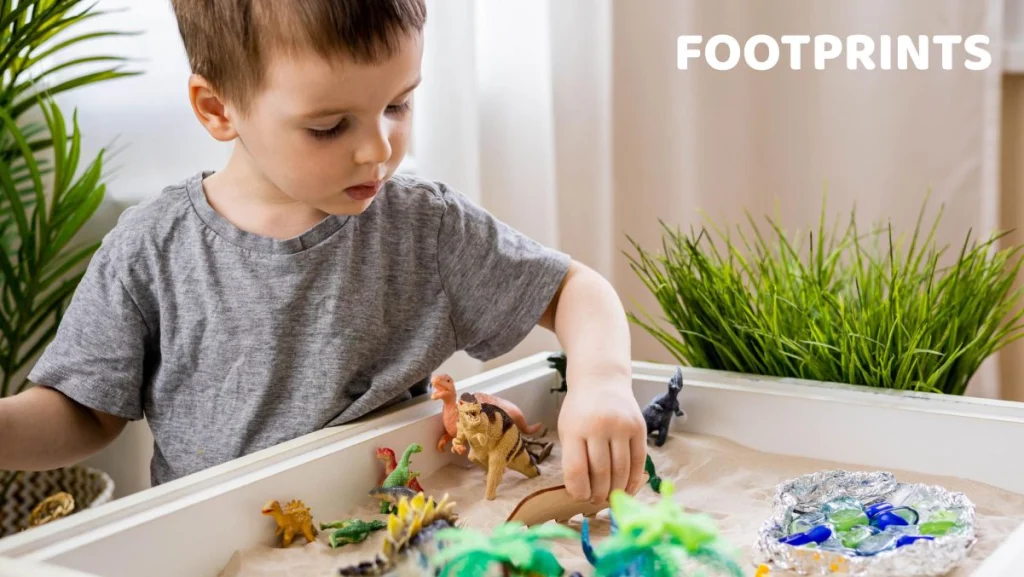
Allow the child to engage physically with their environment. This can go a long way in building neural connections in the brain. Research points out that 90% of a child’s brain develops by the time he or she is five years old. This does not mean that brain cells grow but that synapses, or connections between brain cells, are formed. Offer them blocks, age-appropriate puzzles, art supplies, and more, and let their imagination take free rein. Such games to boost IQ can prove to be immensely valuable. Unstructured play is also a beneficial way for them to think of avenues to keep themselves occupied. You may be pleasantly surprised with what they come up with. This is precisely why you should avoid rushing to the child’s aid every time he expresses boredom. Allow them to think imaginatively and come up with solutions.
5. Praise efforts instead of outcomes.
Oftentimes, we are conditioned to praise children for the outcome rather than the effort they put into a task. A job well done, good marks achieved…all seem to call for a “good boy!” or “good girl!” The fact, however, is that praising children for their effort works far better, as it helps build a growth mindset.
To Sum Up
Enough cannot be said about the importance of nutritious food and a nurturing environment when it comes to a child’s holistic development. The answer to how to improve IQ lies in these factors, besides genetics, of course.
At Footprints Childcare, we are deeply committed to a child’s all-round development. Our scientifically developed HighScope curriculum is play-based, child-centered, and takes a research-based approach to early childhood education. It aims to develop children’s decision-making, problem-solving, and creativity skills while building academic, social, emotional, and physical competencies through exploration and purposeful play.

FAQs
1. Can a child’s IQ really be improved, or is it fixed by genetics?
Yes, while genetics play a role, IQ can be nurtured through nutrition, education, and a stimulating environment. Research shows that gene-environment interaction is crucial. Even children with high genetic potential may face limitations if their environment lacks support.
2. Why is emotional intelligence (EQ) mentioned alongside IQ?
This is because EQ is equally important for a child’s success. Emotional intelligence helps children build relationships, communicate effectively, and handle challenges. Focusing only on IQ without EQ can lead to imbalances in overall development.
3. How do reading and storytelling boost IQ?
Reading exposes children to new ideas, vocabulary, and critical thinking. Storytelling enhances comprehension and imagination. Even before children can read, listening to stories builds a love for learning and strengthens cognitive skills.
4. What are some practical ways to encourage curiosity in children?
Answer their questions patiently, let them explore their surroundings, and provide opportunities for discovery. Curiosity fuels intellectual growth and helps children become lifelong learners.
5. How can math and logic be introduced without making it feel like a chore?
Integrate math into daily life—count objects, identify shapes in nature, or solve simple puzzles together. Making math playful and practical helps children grasp concepts naturally.
6. Why is hands-on learning so effective for brain development?
Hands-on activities like puzzles, blocks, and art supplies strengthen neural connections. Since 90% of brain development happens before age 5, physical engagement with the environment is vital for cognitive growth.
7. Should parents intervene when children say they are bored?
Not always. Allowing children to identify creative solutions to boredom encourages imagination, problem-solving, and independent thinking.
8. Why is praising effort more effective than praising outcomes?
Praising effort fosters a growth mindset, teaching children that persistence and hard work matter more than just results. This builds resilience and motivation to keep learning.
9. What role does nutrition play in a child’s IQ development?
Nutritious food supports brain health and overall physical well-being. A balanced diet ensures children have the energy and focus needed for learning and cognitive growth.
10. How can parents set an example for their child’s IQ development?
Children often imitate adults. If parents read, stay curious, and engage in problem-solving, children are more likely to adopt these habits themselves.

Aditya brings over ten years of expertise as a Senior Marketing Strategist. He’s an expert at developing captivating marketing tactics that regularly provide excellent outcomes. His innovative strategies have demonstrated a track record of increasing organizational reach and engagement, showcasing his extensive knowledge of the contemporary marketing landscape.
 View Fees
  Call Us